
Last updated November 5, 2026
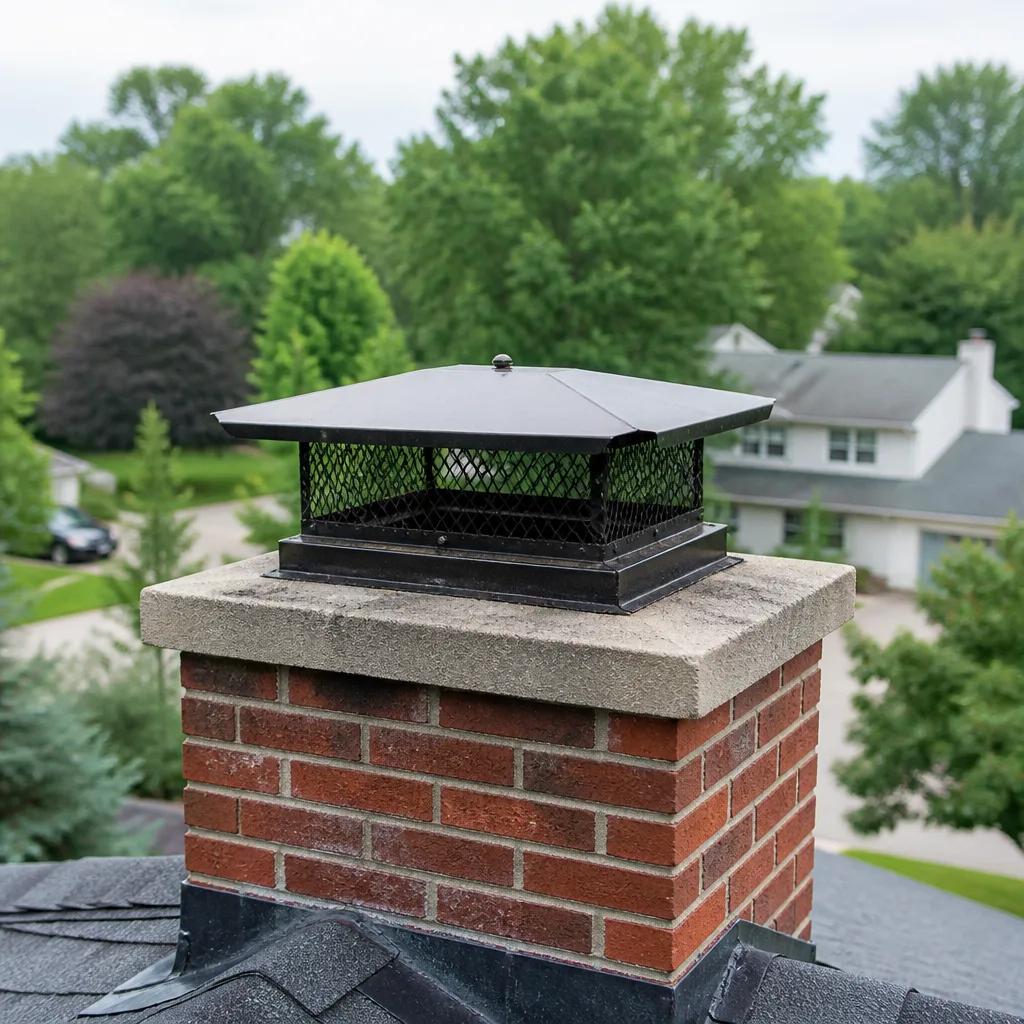 Sweep & inspection
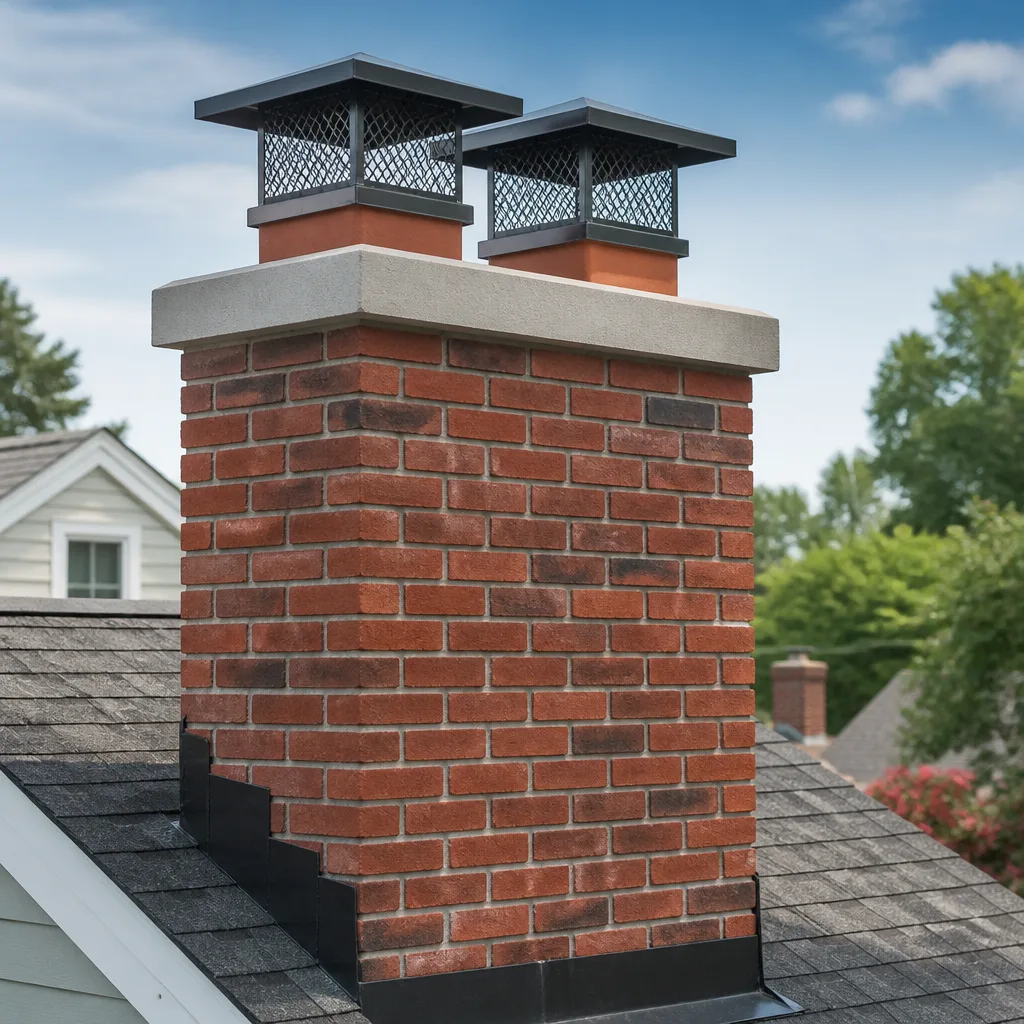 Caps & crowns
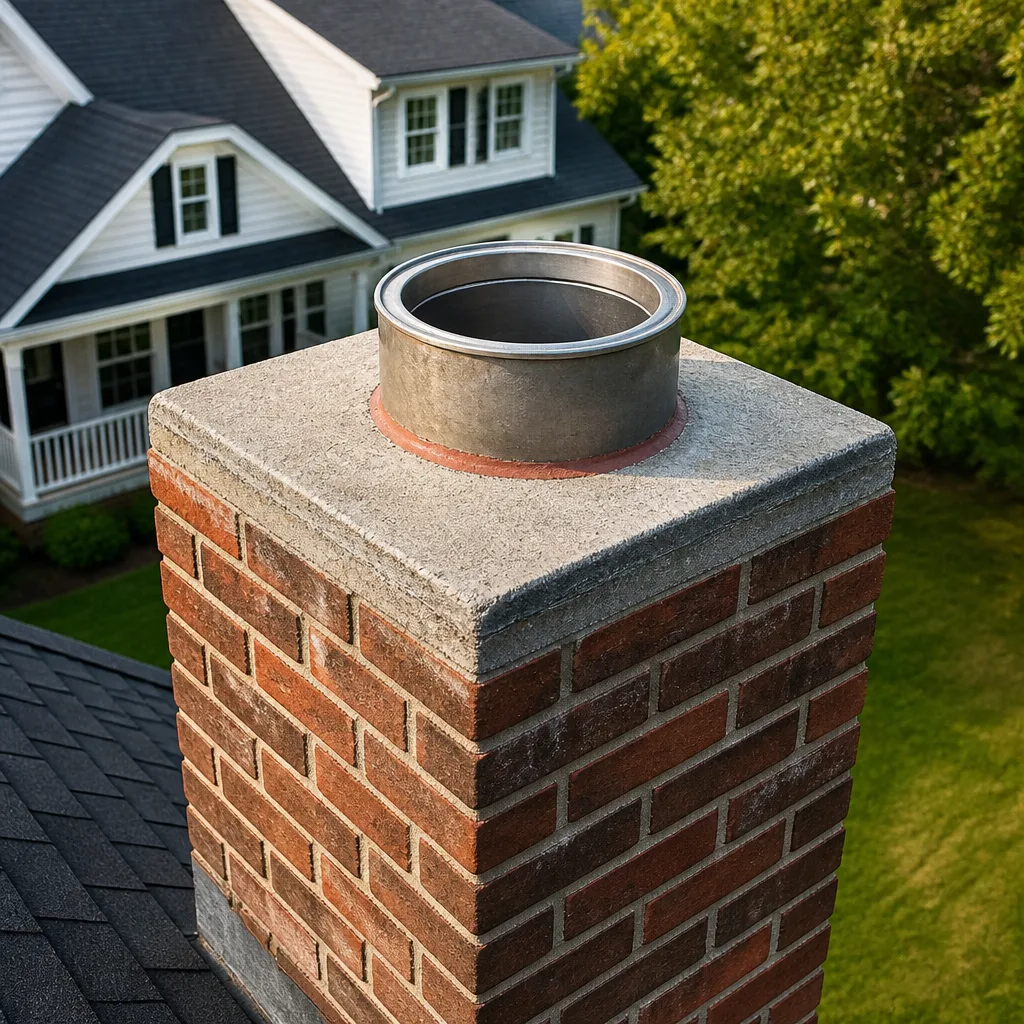 Flue relining
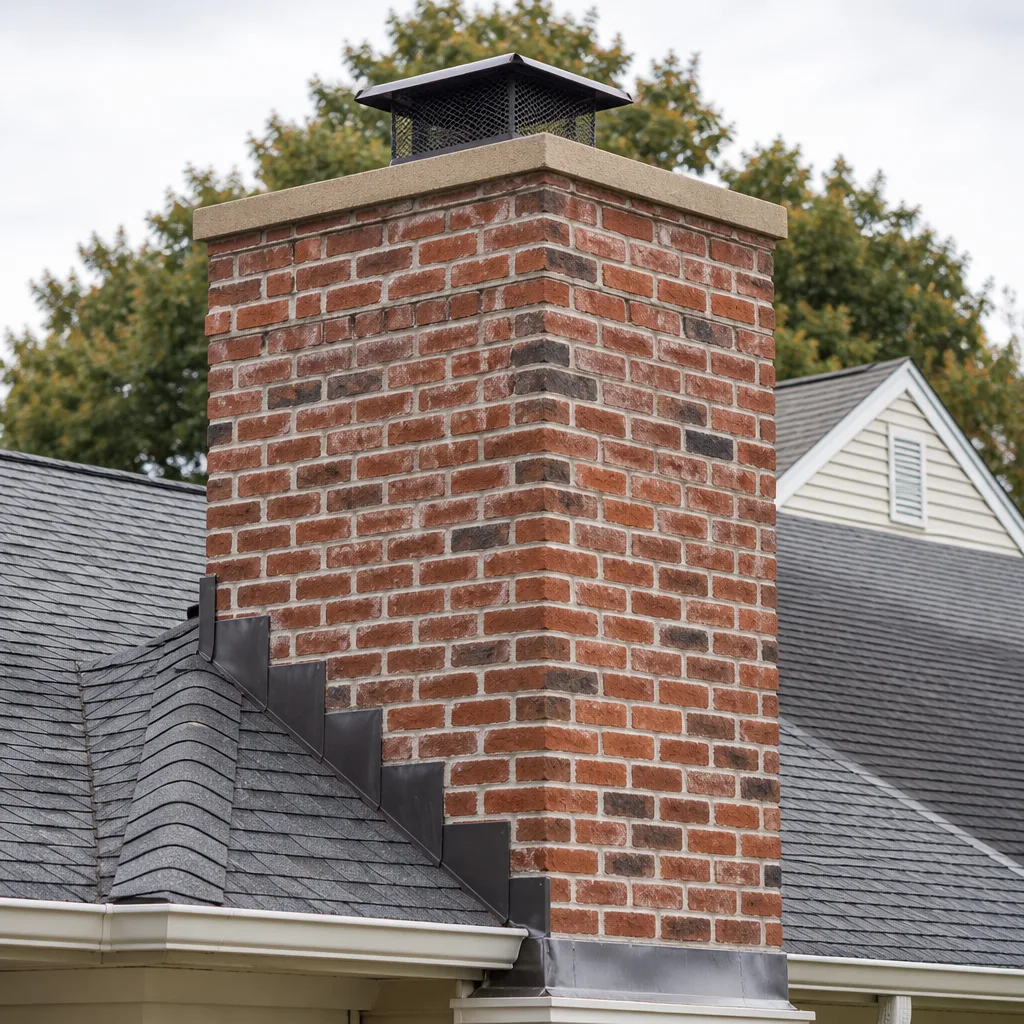 Masonry repair
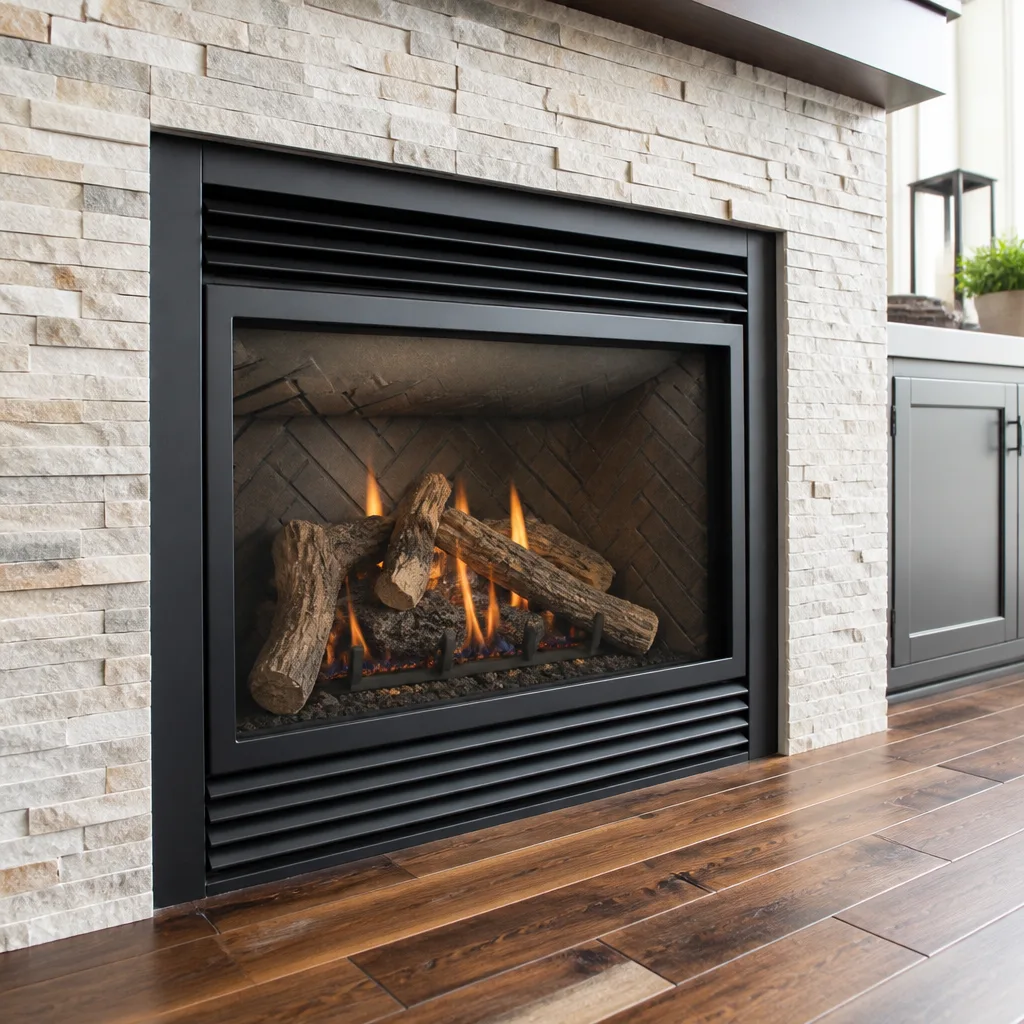 Gas fireplace service
Level 1 sweep and inspection to the NFPA 211 annual standard - flue, crown, cap, and flashing checked and photographed
Chimney sweep logs do not sweep chimneys. They loosen some creosote - which then falls where a brush and vacuum still have to collect it.
DIY vs Professional Chimney Cleaning: The North Hollywood Homeowner’s Decision Guide
A chimney brush and a drop cloth can remove loose soot from the flue walls you can reach. They cannot tell you whether the tile liner behind your smoke chamber has a hairline fracture that’s venting combustion gases into your wall cavity. That distinction, between what you can see and what actually matters, is the entire DIY debate in one sentence. This guide walks through what a homeowner can safely accomplish in North Hollywood, what genuinely requires professional equipment and training, and the California-specific liability questions that most online advice never mentions.
Quick Answer
For most North Hollywood homeowners, the smart split is this: light surface dusting of a straight, accessible flue with mild buildup can be a DIY task if you have the right brushes and safety gear. Anything involving glazed creosote, an older home’s original tile liner, a gas appliance flue, or a fireplace that hasn’t been professionally inspected in years is a job for a certified sweep with a camera rig. The cost of a professional chimney sweep in North Hollywood is modest compared to the insurance claim fight that follows a chimney fire after a self-performed cleaning.
Styles & brands we work with
- Sweep & inspection
- Caps & crowns
- Flue relining
- Masonry repair
- Gas fireplace service
Table of Contents
- What DIY Chimney Cleaning Can Actually Accomplish
- What DIY Cannot Detect: The Inspection Gap
- The Equipment Gap: Consumer Kits vs Professional Rigs
- How North Hollywood’s Housing Stock Changes the Math
- California Fire Liability and Insurance: What DIY Doesn’t Cover
- A Decision Framework: When DIY Is Acceptable
- Appliance Type Matters: Wood, Gas, and Pellet Flues
- Common Misconceptions About Chimney Cleaning
What DIY Chimney Cleaning Can Actually Accomplish
Let’s be fair about what a homeowner with a basic rod-and-brush kit can do. If your flue is straight, your chimney is a single story above the roofline, and the buildup is light powdery soot rather than hard glaze, a DIY cleaning removes the loose material reasonably well. You’ll get soot on your arms, your drop cloth will catch most of the fall, and the fireplace will look cleaner when you’re done.
Here’s what a DIY cleaning realistically handles:
- Light soot removal in a flue that saw moderate use last season
- Brushing the firebox and damper area to remove loose ash and debris
- Visual inspection of the flue’s first few feet from the top or bottom, whichever you can access safely
- Basic cap check to see if a cap is present and not visibly damaged
- Ash vacuuming around the hearth and smoke shelf if your vacuum has a HEPA filter
For a homeowner in a newer North Hollywood apartment or condo with a factory-built metal chimney that’s been swept within the last year or two, DIY maintenance between professional visits can make sense. The flue is smooth, the path is direct, and the appliance is likely a gas log set that produces minimal creosote.
What DIY Cannot Detect: The Inspection Gap
This is where the DIY argument falls apart, and it’s the part most online guides skip. Cleaning is only half the job. The inspection is the half that keeps your house from burning down, and inspection requires seeing parts of your chimney system you physically cannot see with a flashlight and a mirror.
A proper professional sweep in North Hollywood examines:
- The smoke chamber and smoke shelf above the damper, where turbulence deposits creosote unevenly and where cracked brickwork hides
- Glazed creosote, which forms as a hard, shiny, tar-like layer that a wire brush won’t remove and that burns like candle wax at high heat
- The full flue liner surface, including hairline cracks in original clay tile liners that are invisible from either end without a camera
- The flue’s midsection, where offsets and corbels in older masonry chimneys create blind spots
- Tile gaps and mortar deterioration that allow heat and gases to reach the surrounding framing
- The chimney crown and wash at the top, where water intrusion starts the freeze-spall cycle that cracks masonry
A camera inspection is the difference between knowing your liner is intact and hoping it is. When you burn wood in a masonry chimney, a cracked liner isn’t rare. It’s common in homes built before 1980, and most of North Hollywood‘s single-family housing stock dates from the post-war boom between 1945 and 1970. A camera doesn’t lie, and at Ashford Chimney Sweep, we don’t recommend liner work without showing you the footage first.
The Equipment Gap: Consumer Kits vs Professional Rigs
The tools matter more than most DIY guides admit. A consumer chimney cleaning kit from a hardware store typically includes fiberglass rods, a wire brush sized to your flue, and maybe a tarp. It costs under $100. The professional difference isn’t the brush. It’s everything else.
Here’s the comparison that matters for North Hollywood homeowners:
| Capability | DIY Kit | Professional Equipment |
|---|---|---|
| Brush the flue walls | Yes, if flue is straight | Yes, with correct size and stiffness for your liner type |
| Contain soot and dust | Drop cloths, partial containment | HEPA negative-air vacuum running during the entire sweep |
| Inspect liner condition | Not possible beyond a few feet | Full-length camera with recording |
| Remove glazed creosote | No | Chemical treatments plus mechanical removal |
| Access the flue top safely | Requires ladder work on your roof | Reach from the roof or through the firebox with extensions |
| Reach offset flues and multi-story chimneys | Limited | Trained technique for complex geometry |
| Identify creosote type (soot, porous, glazed) | No training basis | Visual and tactile assessment |
The HEPA vacuum is the part nobody talks about in DIY videos. When you brush a flue from the top without a negative-air system running, the fine soot goes somewhere. Much of it goes down, but enough of it becomes airborne inside your home to coat every surface in the room with a fine black film. A professional sweep in North Hollywood runs a HEPA vacuum that captures that fine particulate before it escapes the fireplace opening.
How North Hollywood’s Housing Stock Changes the Math
North Hollywood is not a suburb of new construction. The neighborhoods east of the 170, the blocks around Lankershim and Magnolia, the bungalow courts near Burbank Boulevard: these homes are old enough to have original masonry chimneys with clay tile liners. A clay tile liner from 1955 that’s been through six decades of heat cycling does not look like it did when it was installed.
Here’s what we see in North Hollywood’s older homes with some regularity: hairline cracking in the upper third of the liner where heat concentrates, mortar joints between tiles that have deteriorated to the point of spalling, and smoke chamber brickwork that was roughly laid to begin with. None of this is visible from the top of the chimney with a flashlight. All of it is relevant to whether your fireplace is safe to burn.
The Santa Ana wind pattern matters here too. North Hollywood sits in the eastern San Fernando Valley, and when the winds blow in from the desert, they push down through the canyons. A chimney with a marginal draft problem becomes more noticeable on a windy day, but the smoke you see backing into the room is a symptom, not the cause. The cause is usually a flue that’s partially obstructed or a liner whose cracks are disrupting the draft.
Our climate is mild most of the year, which means chimneys in North Hollywood often go unused from spring through fall. That doesn’t mean they stay clean. Critters nest, dust accumulates, and the first fire of the season burns all of it. The time to check your flue is before that first burn, not after the smoke detector goes off.
California Fire Liability and Insurance: What DIY Doesn’t Cover
This is the section most DIY guides won’t touch, and it’s the one that matters most for California homeowners. If you clean your own chimney and a chimney fire follows, your insurance company will ask who performed the last cleaning and inspection. The answer is you. That’s not automatically a claim denial, but it opens a line of questioning that a receipt from a certified professional closes immediately.
California’s wildfire litigation environment has made insurers increasingly detail-oriented about fire causes. The state has some of the strictest building and fire codes in the country, and while a chimney fire from a homeowner-maintained flue is different from a wildfire ignition, the principle across insurance underwriting is consistent: documented professional maintenance is evidence of due diligence. A DIY cleaning is not documentation of anything except that you own brushes.
The liability question extends beyond your own insurance. If a chimney fire spreads to a neighbor’s property, or if carbon monoxide from a failed liner migrates into an attached unit, the question of who last inspected the system becomes legal evidence. A professional report with camera footage, a written condition assessment, and a recommendation for repairs exists years later if needed. A DIY cleaning leaves no paper trail.
We’re not saying every DIY cleaning leads to disaster. We’re saying that in California specifically, where the regulatory and insurance climate is more demanding than most states, the documentation gap is a real cost of doing it yourself.
A Decision Framework: When DIY Is Acceptable
Here’s the honest framework we give North Hollywood homeowners who ask whether they can skip the professional sweep. It comes down to four questions:
- How old is your home and what kind of liner do you have? If you have a factory-built metal chimney in a structure built after 1990, DIY surface cleaning between inspections is lower risk. If you have a masonry chimney with a clay tile liner from the 1950s or 1960s, the inspection is the whole point.
- What are you burning? Wood produces creosote that varies by burn temperature and wood moisture. Gas produces far less creosote but adds carbon monoxide risk and corrosion concerns. Pellet stoves have their own exhaust chemistry. DIY is safest with gas logs that are vented and haven’t shown any draft issues.
- When was the last professional sweep and inspection? If it was within the past two years and the report showed a clean, sound liner, a homeowner can reasonably do light maintenance in between. If it’s been longer than that, or you don’t know, the first visit should be professional.
- Can you actually access the flue safely? A one-story chimney with a gentle roof pitch is accessible. A two-story chimney on a steep roof is not. Ladder work on an aging roof is not where you want to discover your balance isn’t what it used to be.
If you answer “older home,” “wood,” “unknown,” and “two stories,” in that order, DIY is the wrong call. The geometry of the job has already decided it for you.
Appliance Type Matters: Wood, Gas, and Pellet Flues
Different fuels create different residue. The DIY conversation changes based on what’s attached to your flue.
Wood-burning fireplaces and stoves
Wood produces creosote in three forms: light soot, porous flaky deposits, and glazed hard tar. The first two respond to brushing. The third does not. Glazed creosote requires chemical conditioning and professional removal, and burning through it is how chimney fires start. If you’ve been burning wood for years without an inspection and you see a shiny black surface inside the firebox, stop and call someone. That shiny layer extends up the flue farther than you can see.
Gas fireplaces and log sets
Gas produces little creosote, which makes DIY surface cleaning look appealing. The danger is different. Gas exhaust is high in moisture and acidic condensate, which attacks clay tile liners over time and can corrode metal components. The maintenance question with gas appliances is not “is it dirty” but “is the venting still intact.” That’s an inspection question, not a brushing question.
Pellet stoves
Pellet stoves produce fine ash and a hard, glassy residue that forms in the exhaust path. The exhaust blowers and venting have specific cleaning protocols. Consumer chimney brushes won’t help you with a pellet stove’s internal exhaust channels, and the venting often has horizontal runs that collect ash in ways a vertical chimney doesn’t.
Common Mistakes to Avoid
- Assuming straight flues are the norm. North Hollywood’s older masonry chimneys often have offsets and corbels that deflect the flue path. A brush that goes down straight in your neighbor’s chimney may not go down straight in yours.
- Brushing an older tile liner with a wire brush designed for metal flues. Wire brushes can damage clay tile liners, especially older ones with existing hairline cracks. The brush type must match the liner type.
- Skipping the inspection because the flue looks clean from the top. The first few feet of a flue can look fine while the midsection has significant buildup or damage. You cannot inspect what you cannot see.
- Using a standard shop vacuum for soot pickup. Standard vacuums blow the finest soot particles back into the room and can damage the motor. You need a HEPA-filtered unit for any soot work at all.
- Burning “cleaning logs” as a substitute for sweeping. Chemical chimney cleaning logs can loosen light creosote, but they don’t inspect the liner, don’t remove serious buildup, and are not a replacement for mechanical cleaning or a camera assessment.
- Climbing a roof without a harness and a second person present. The most common chimney cleaning injury isn’t fire. It’s falls. A two-story roof in the North Hollywood hills is not the place to learn ladder safety.
- Ignoring the dryer vent while you’re thinking about chimney fires. Dryer vents cause more house fires nationally than chimneys do, and dryer vent cleaning is straightforward for a professional but hard to do properly with consumer tools.
Common Misconceptions About Chimney Cleaning
Let’s clear up a few things that circulate in the DIY community and give homeowners false confidence.
“If I don’t use the fireplace, I don’t need to clean it.” A dormant flue still hosts birds, rodents, wasps, and debris. A nest in the smoke chamber is a blockage, and blockage is a carbon monoxide risk whether you’ve burned recently or not. Seasonal inspection matters regardless of usage frequency.
“Gas fireplaces never need servicing.” Gas produces moisture and acidic condensate that attacks liners and metal vent components. Gas log sets also produce soot buildup on the logs and burner assembly that affects combustion efficiency. Gas appliances need maintenance less often than wood-burning ones, but “never” is wrong.
“A liner replacement is the only fix for a damaged flue.” In many cases, full relining isn’t necessary. HeatShield ceramic restorative can repair a clay tile liner’s cracks and gaps without tearing out the old one. The material is applied through the flue and restored with a specialized process. If a sweep tells you a full reline is your only option without showing you camera footage, get a second opinion. Ashford Chimney Sweep uses HeatShield regularly as a cost-sensitive alternative for North Hollywood homeowners, and we only recommend it after the camera evidence supports it.
“Chimney sweeping is a simple task anyone can do.” Sweeping a flue is physically simple. Understanding what you’re looking at is not. The certification matters because the professional is trained to recognize liner failure, creosote stages, clearance violations, and draft problems, not because the brushing itself is complicated.
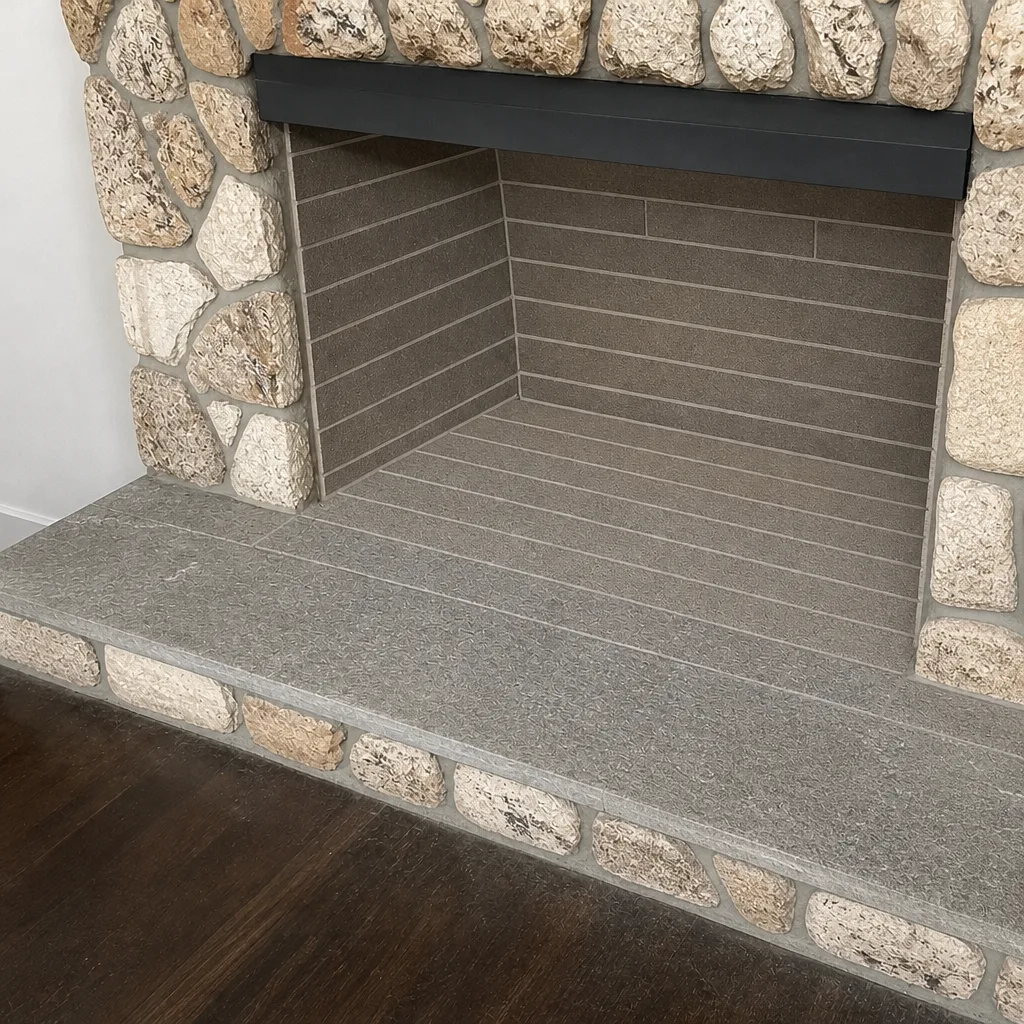
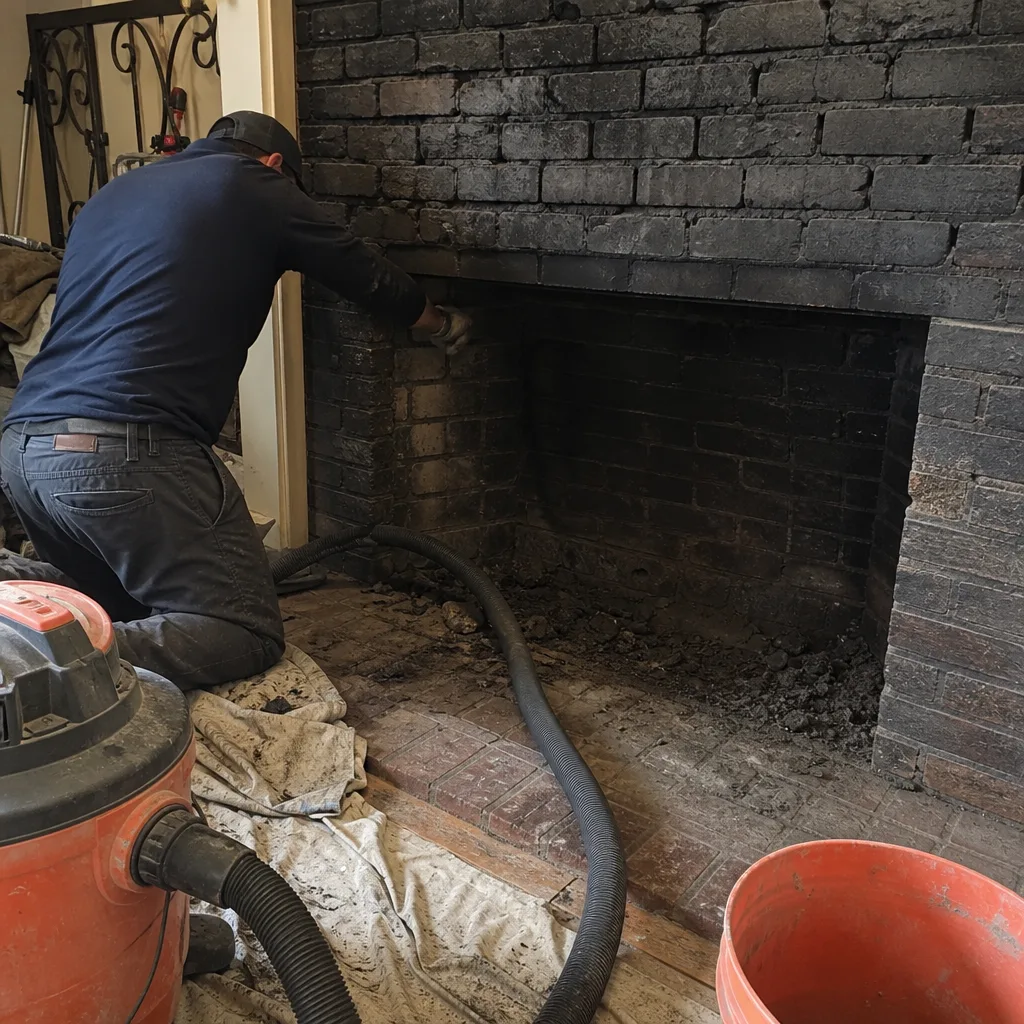
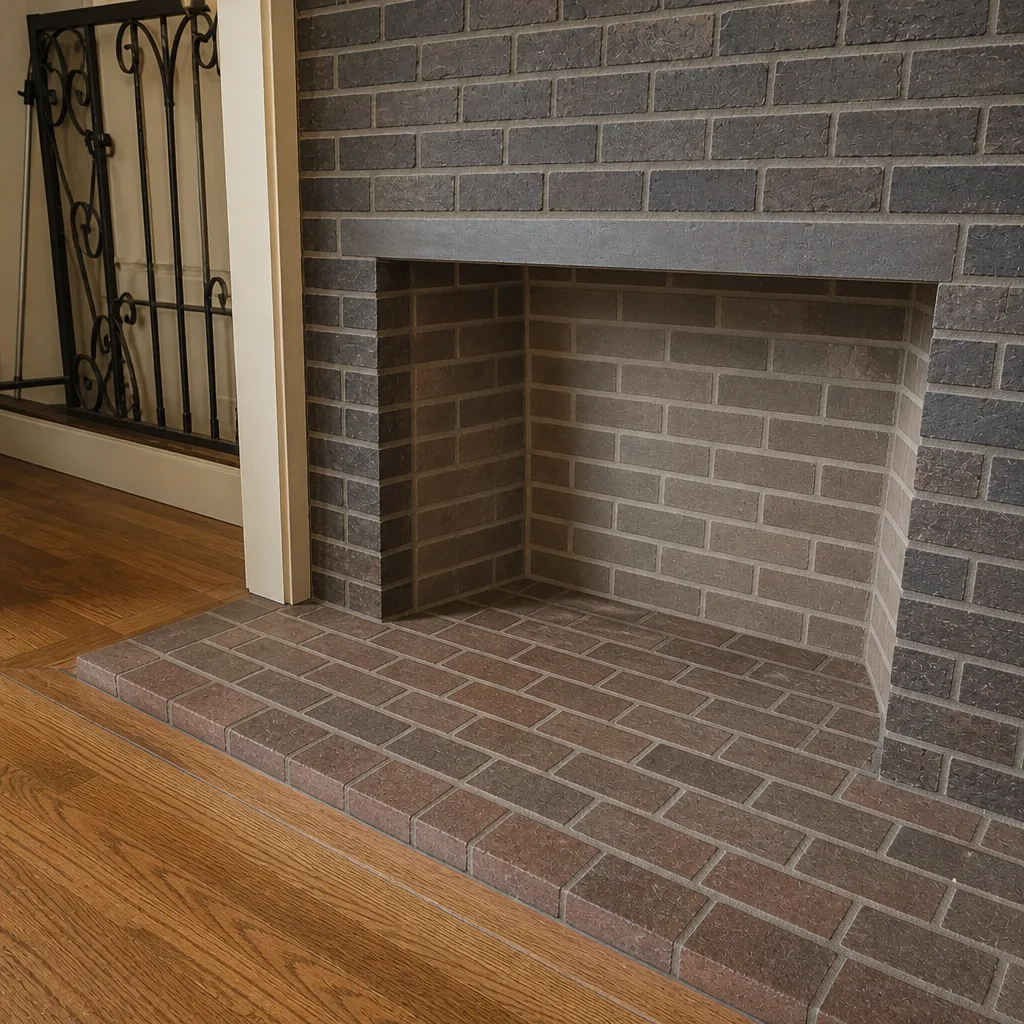
See the difference
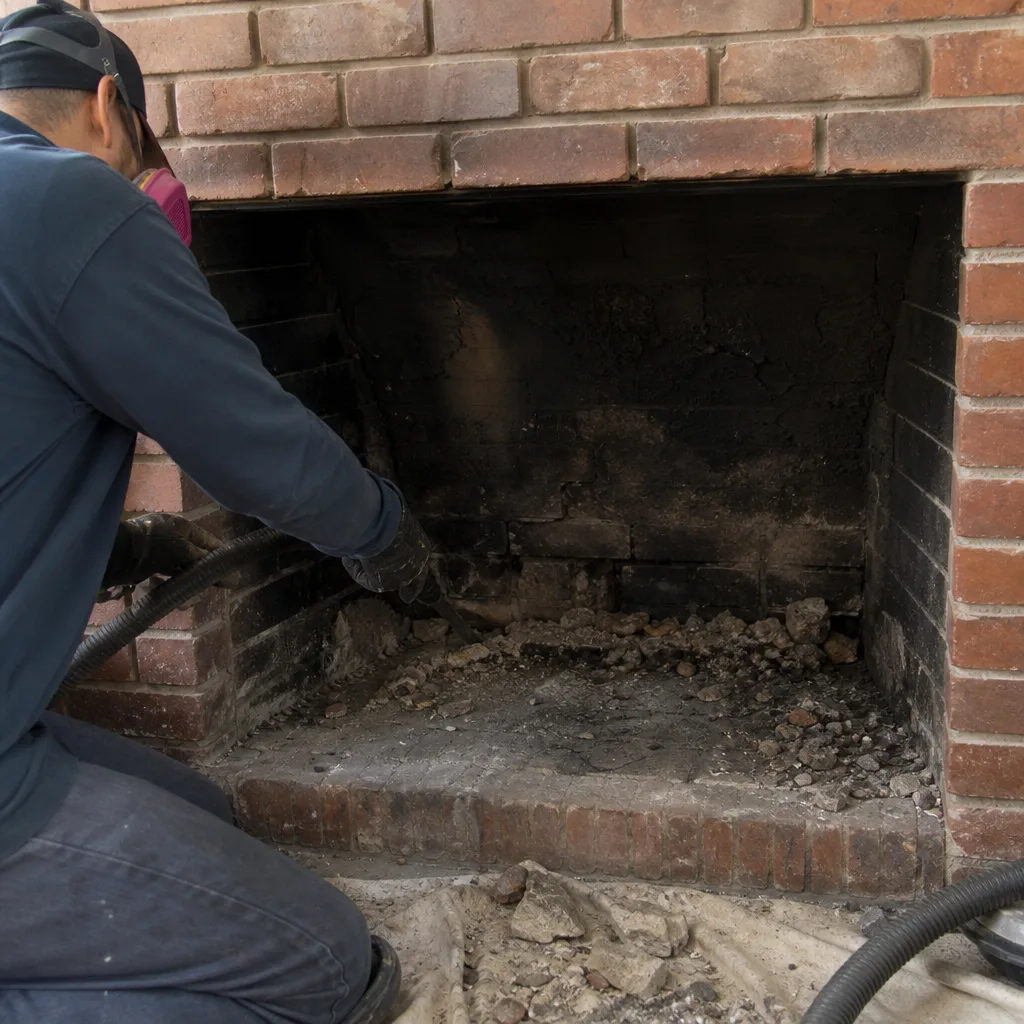 Before
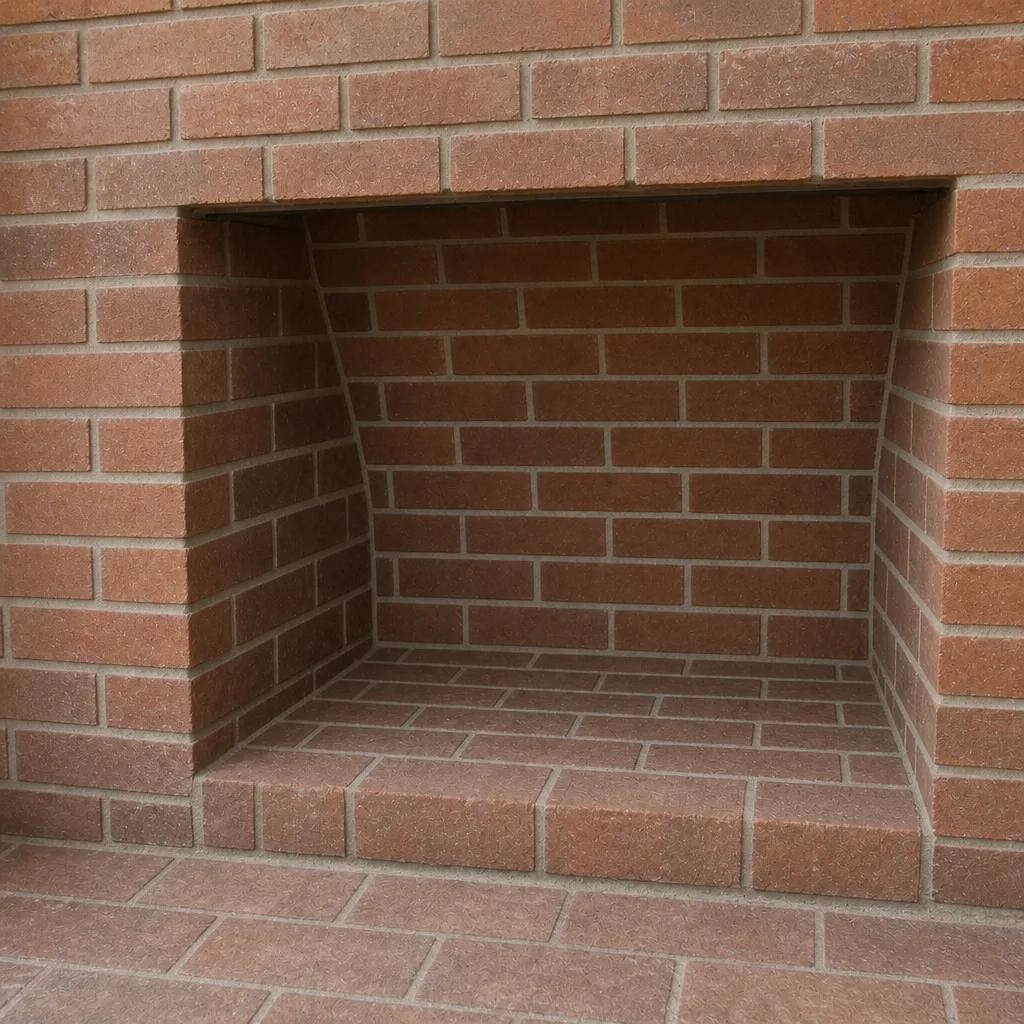 After
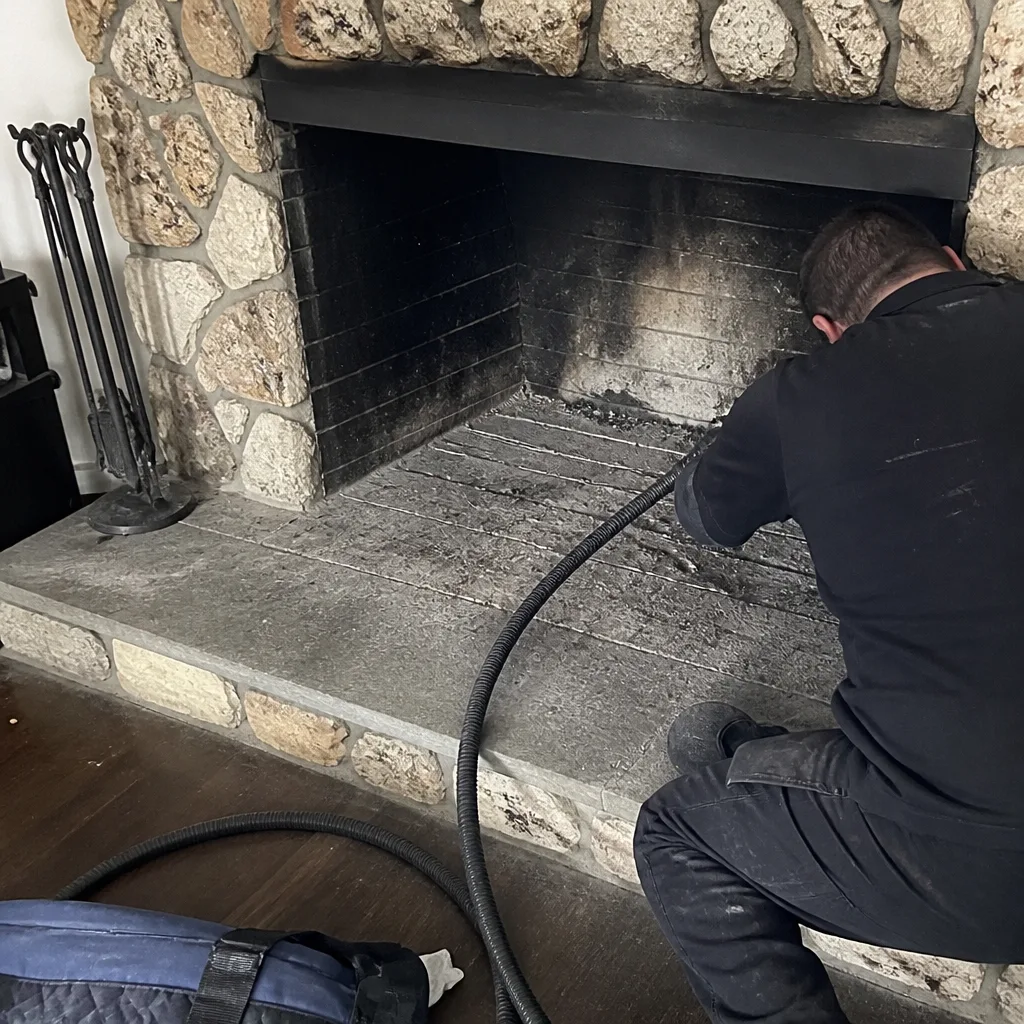 Before
 After
 Before
 After
When to Call a Professional
Call a professional when your home is older and has an original masonry chimney, when you haven’t had a camera inspection in more than two years, when you smell smoke or see staining around the chimney chase, when you’ve had a dryer vent that hasn’t been cleaned in years, or when you simply want documentation that your chimney was properly maintained for insurance purposes. The threshold isn’t “something is obviously wrong.” It’s “I need to know the condition of a system I can’t see inside.” Ashford Chimney Sweep offers free estimates in North Hollywood. Call (833) 589-9860. We answer 24/7. Fast dispatch from 7am to 7pm, Sunday through Friday.
We’re not here to scare homeowners into unnecessary work. In North Hollywood, we regularly tell people their flue is fine and they don’t need anything beyond the sweep. That’s the job. The times we recommend repairs, we show you the camera footage first, and we never recommend liner work without evidence you can see for yourself. “We repair what we find” means exactly that: nothing invented, nothing padded, nothing recommended that a camera didn’t already confirm.
Frequently Asked Questions
A standard chimney sweeping in North Hollywood typically runs between $180 and $340 depending on flue condition, chimney height, and whether the fireplace has been maintained recently. Camera inspection is often included or available as an add-on. Any liner repair or HeatShield restoration work is quoted separately after the inspection shows what’s needed. Call (833) 589-9860 for an exact quote in your home. Estimates are free and the written estimate sets the final price.
DIY cleaning is physically safe for a healthy adult with proper ladder safety on an accessible roof, and it can remove loose soot from a straight flue. The danger is not the brushing itself. The danger is the false confidence that comes from a clean-looking flue when the liner behind the brush has cracks you couldn’t see. For older North Hollywood homes with original tile liners, the inspection matters as much as the cleaning.
The standard recommendation is once per year for wood-burning fireplaces that see regular seasonal use, and at least once every two years for gas fireplaces. Homes that burn frequently throughout the winter, or that burn unseasoned wood, may need a mid-season check. In North Hollywood’s mild climate, most homeowners settle into a rhythm of one sweep per year before the first cold snap.
Skipping maintenance doesn’t guarantee a chimney fire, but it removes every warning sign that would have caught problems early. Creosote builds up beyond what a brush can handle, liner cracks expand without being seen, and a chimney that was mildly unsafe becomes seriously unsafe without anyone knowing. By the time the problem announces itself, it’s usually through smoke backup, carbon monoxide detector activation, or an actual chimney fire. Insurance documentation also expires, meaning a fire after years without a professional inspection is harder to explain to an adjuster.
Yes, in most cases a damaged clay tile liner can be restored with HeatShield ceramic restorative, which is applied through the flue and fills cracks and gaps to create a smooth, heat-resistant surface. For chimneys that need extensive relining, Ashford Chimney Sweep installs DuraFlex flexible liner systems, which are professional-grade products not available through consumer retailers. The right repair depends on what the camera footage shows.
You should be present, or at least available, because the inspector’s findings are best discussed in person with the chimney in front of you. A professional sweep will want to show you the camera footage afterward and walk through what was found. That conversation is half the value, and it’s hard to have it through a receipt on the door.
The Bottom Line
The DIY chimney cleaning question isn’t really about cost. It’s about whether you can see the parts of your chimney that determine whether your house is safe. For North Hollywood homeowners in newer structures with gas log sets and metal flues, light DIY maintenance between professional visits is reasonable. For everyone else, particularly those in the older masonry homes that make up much of this city’s housing stock, the professional inspection is the whole point. A brush kit can’t see a cracked liner. A HEPA vacuum can’t assess glazed creosote. And in California’s fire liability environment, the documentation gap from skipping professional service is a risk most homeowners don’t need to take. A sweep costs less than a day’s work for many people in this city, and it buys you certainty about a system you otherwise cannot know.
Written by the team at Ashford Chimney Sweep, serving North Hollywood since 2012.