
Last updated November 5, 2026
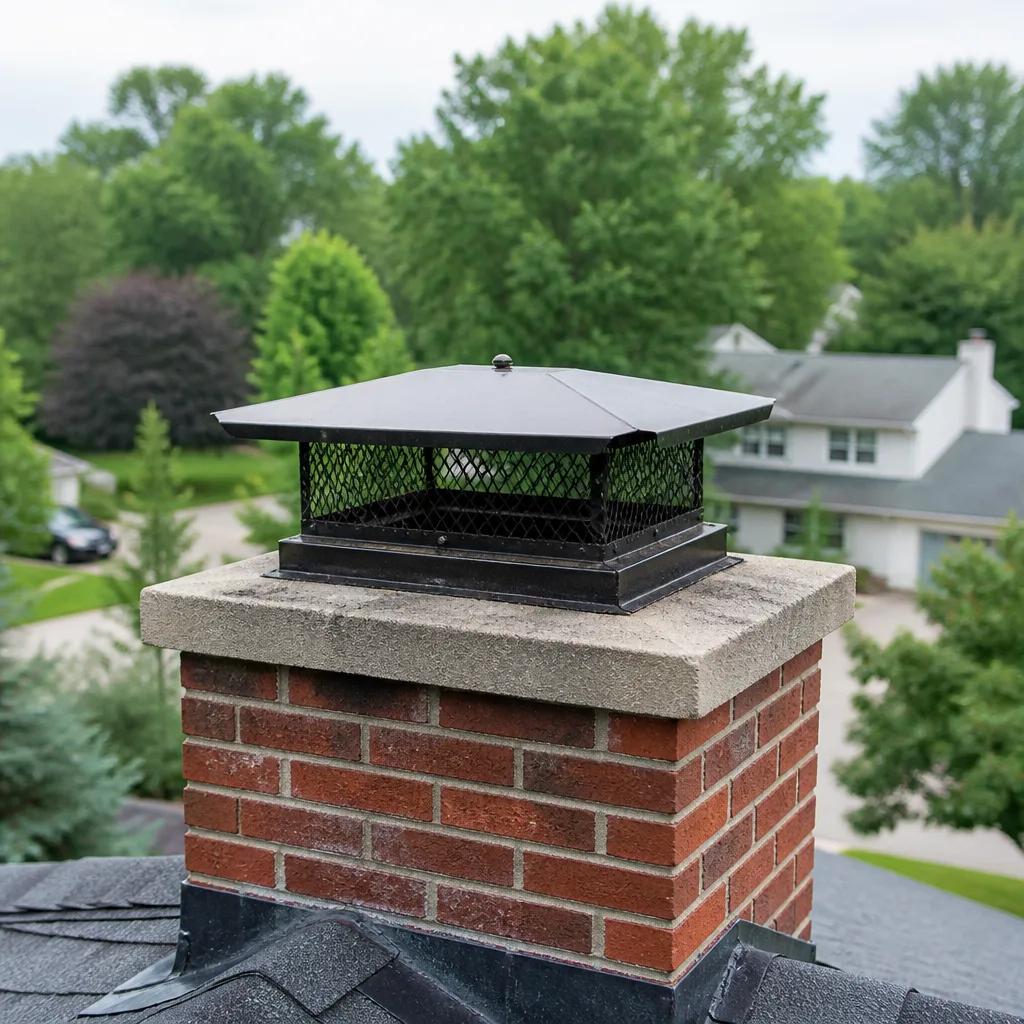 Sweep & inspection
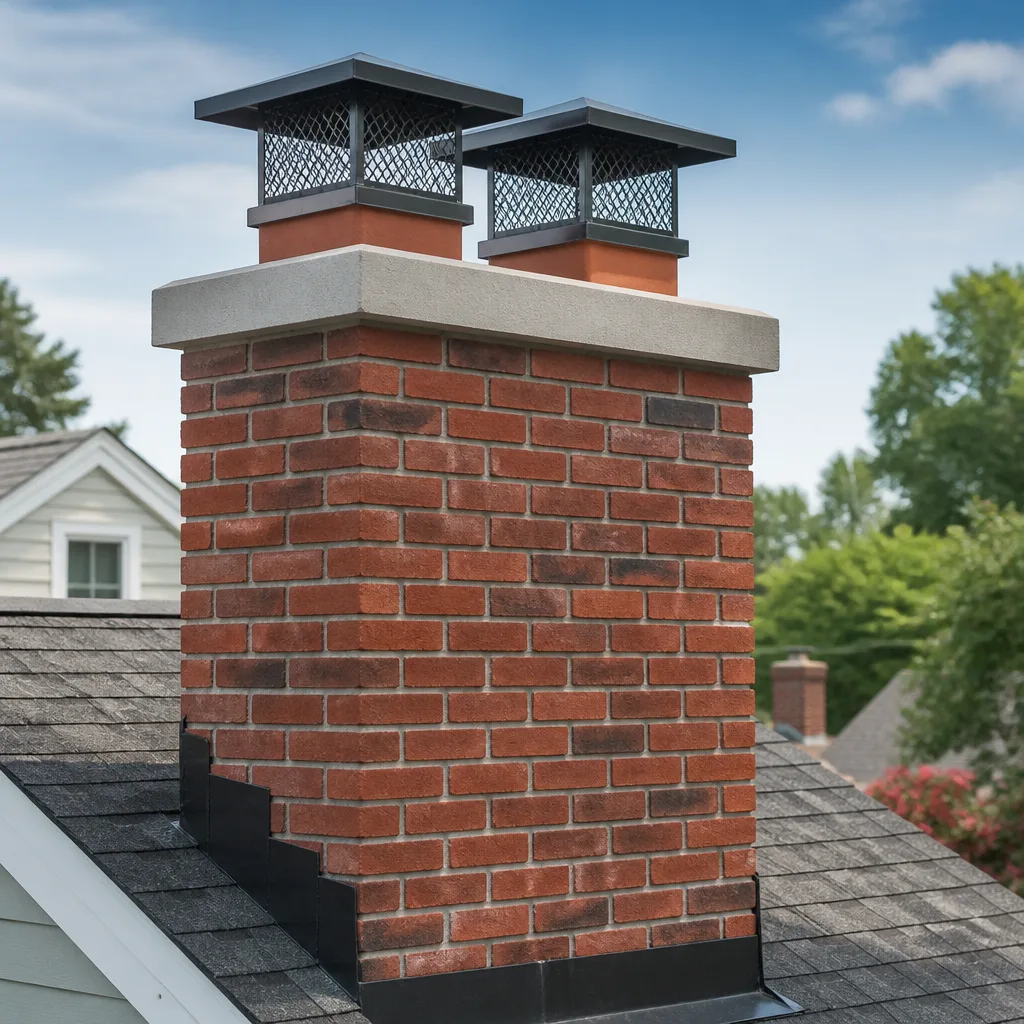 Caps & crowns
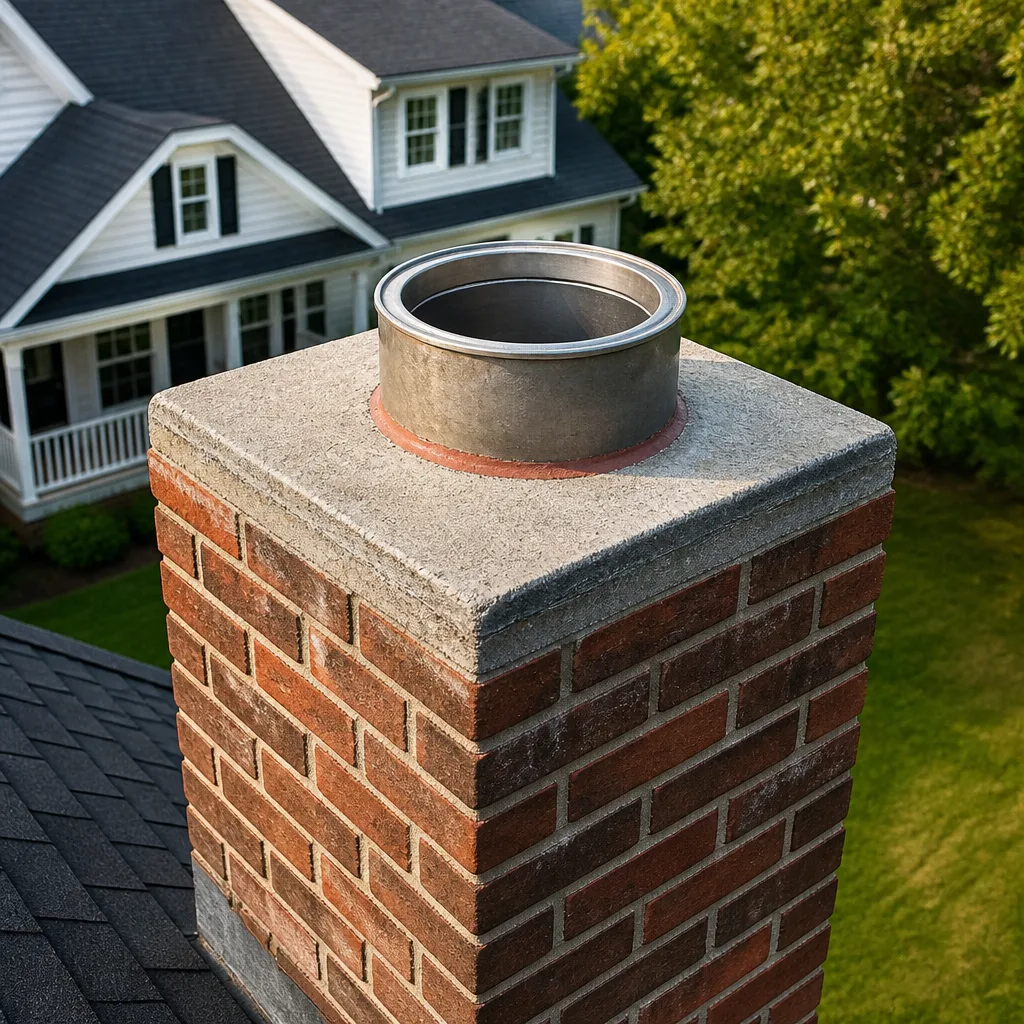 Flue relining
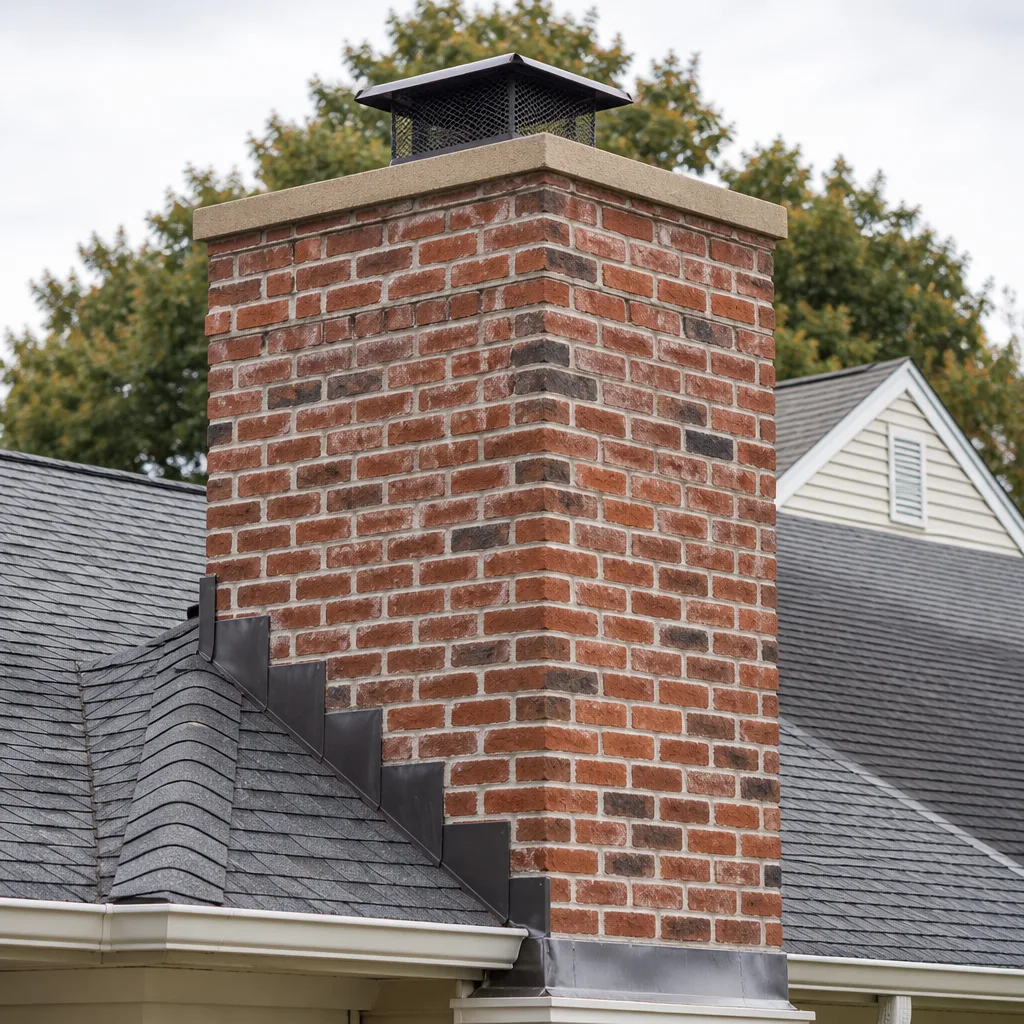 Masonry repair
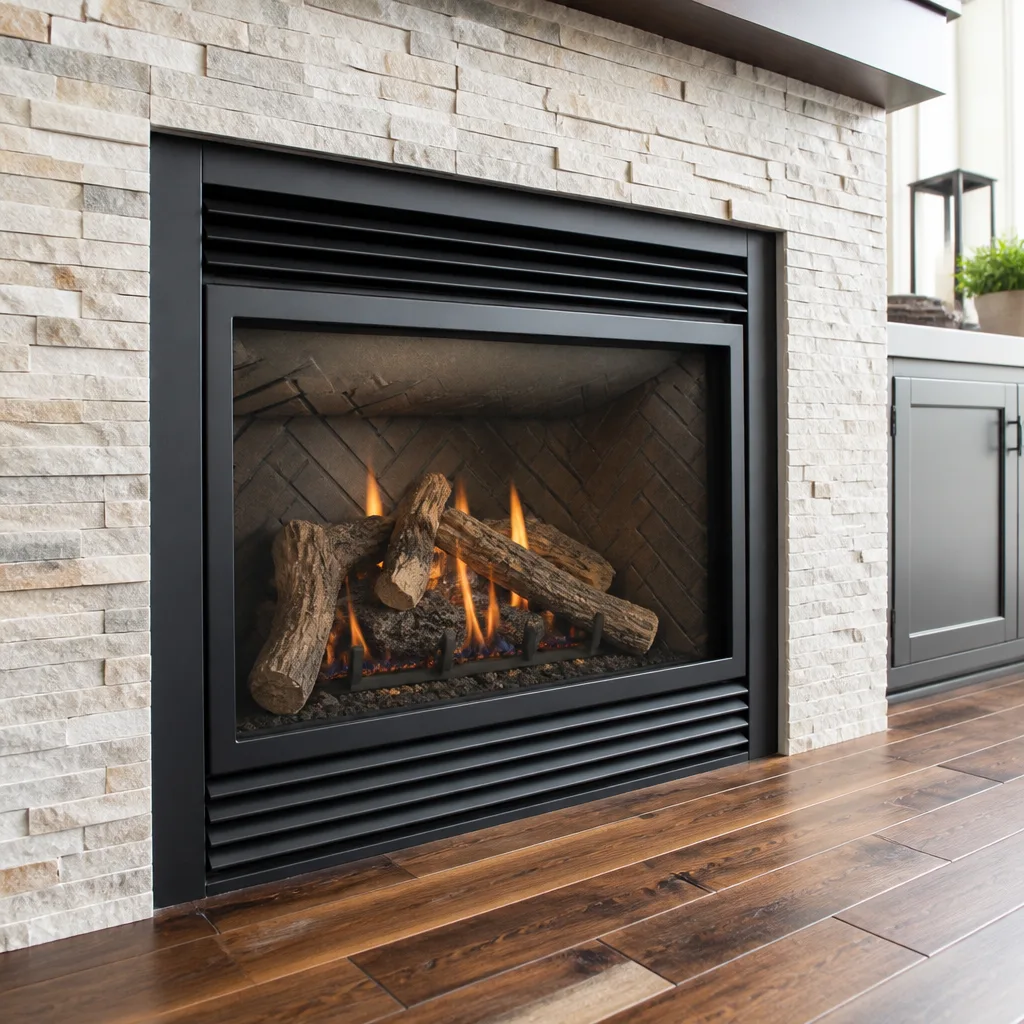 Gas fireplace service
Level 1 sweep and inspection to the NFPA 211 annual standard - flue, crown, cap, and flashing checked and photographed
Chimney sweep logs do not sweep chimneys. They loosen some creosote - which then falls where a brush and vacuum still have to collect it.
Seasonal Chimney Cleaning Care for North Hollywood: Year-Round Homeowner’s Guide
In North Hollywood, the most dangerous chimney condition of the year often develops in August, when nobody is thinking about their fireplace at all. The national advice about sweeping your chimney every fall assumes a climate where winter is the enemy. Here, the real threats arrive on summer wind patterns and linger through a burn season that starts late and ends early. This guide explains the two-maintenance-window reality most seasonal checklists miss entirely, and what you can do about it in each part of the year.
Quick Answer
Chimney maintenance in North Hollywood works best on a two-window calendar: a post-summer inspection after brush fire smoke and Santa Ana wind debris have done their damage, and a pre-burn-season sweep before you light the first fire. Homes that use fireplaces only for occasional ambiance can often go two years between full cleanings, while primary heat sources need annual attention. The chimney cap is your most important year-round protective component in the San Fernando Valley.
Styles & brands we work with
- Sweep & inspection
- Caps & crowns
- Flue relining
- Masonry repair
- Gas fireplace service
Table of Contents
- What the North Hollywood Climate Actually Does to Chimneys
- The August Problem: Why Post-Summer Inspections Matter Here
- Santa Ana Wind Season and Your Chimney Cap
- Spring Maintenance After a Light Burn Season
- Ambiance Fires vs. Primary Heat: Different Cleaning Intervals
- Chimney Caps and Top-Mounted Dampers in the Valley
- The Marine Layer and Moisture Damage You Don’t See
- A Year-Round Chimney Care Calendar for North Hollywood
What the North Hollywood Climate Actually Does to Chimneys
North Hollywood sits in the San Fernando Valley, where the weather works differently than most chimney guides assume. We don’t get freeze-thaw cycles that crack masonry through expanding ice. We don’t get snow sitting on chimney crowns for weeks. What we do get is a dry, hot summer that bakes every exposed component of your chimney system, followed by a compressed cool season that pushes fires into homes for three or four months rather than six.
The dryness matters more than homeowners expect. Clay flue tiles, mortar joints, and concrete crowns all expand and contract with temperature swings. A Valley summer pushes rooftop surfaces well past 120 degrees, and the overnight drop can be thirty degrees or more. Over years, that cycle loosens mortar joints and creates hairline cracks that you won’t notice from the ground. Those small openings become entry points for moisture when the marine layer settles in during spring, and they’re also where embers can find their way through during burn season.
For anyone who has a fireplace they’ve used for years without a professional look at the full flue, the climate itself has been doing quiet work. We’ve pulled apart chimneys in North Hollywood where the exterior looked fine and the interior mortar had turned to powder. The heat and dryness do that here.
The August Problem: Why Post-Summer Inspections Matter Here
August is when the air in North Hollywood gets heavy with smoke from wildfires burning elsewhere in Southern California. That smoke doesn’t just sit outside. It moves through every opening in your home, including a dormant chimney. The draw that once carried fireplace smoke up and out reverses during summer when there’s no fire, and fine particulate matter settles inside the flue as a dry, acidic film.
Then comes September and October, when the first fall winds push leaves, twigs, and whatever loose debris sits on nearby rooftops directly into uncapped or poorly capped chimneys. A chimney that was perfectly clean at the end of March can be lined with dry, combustible material by the time November arrives.
This is the logic behind a post-summer inspection in a wildfire-adjacent market like North Hollywood. Standard national advice says to inspect before you burn, which is correct. But around here, the smart move is to have a professional look at the chimney after the summer smoke and wind have done their seasonal work. You’re not just checking for creosote from last winter’s fires. You’re checking for debris accumulation, cap damage, and the residue that wildfire smoke leaves behind.
A licensed chimney sweep can evaluate what’s actually inside your flue and tell you whether a cleaning is needed before you light anything. We repair what we find, and if the inspection turns up nothing significant, you’ve bought yourself real peace of mind for the cost of the visit.
Santa Ana Wind Season and Your Chimney Cap
The Santa Ana wind window in the Valley typically runs from October through December. These are dry, gusty winds that come off the high desert and pour through the mountain passes, and they behave differently than ordinary coastal breezes. They hit rooftops at speed, and they carry fine dust, sand, and small debris that finds its way into every gap in your chimney system.
A properly fitted chimney cap does more than keep rain out. It deflects the horizontal force of Santa Ana gusts that would otherwise whistle across the flue opening and drive debris down into the smoke shelf. The right cap, installed correctly, changes the airflow across the top of the flue so that wind doesn’t create a downdraft that pushes smoke back into your living room when you do light a fire.
Cap inspection is a standard part of what our chimney sweep service includes, and it matters more in wind-prone areas like North Hollywood than in many other markets. We look for bent screens, loosened mounting brackets, and the kind of galvanic corrosion that eats through cheap hardware over time. When a cap needs replacement, we source contractor-grade hardware from trade suppliers like Olympia Chimney and Famco rather than whatever generic cover happens to be on a home store shelf. The difference is how long the cap actually lasts against Valley wind and summer UV exposure.
If you’re not sure whether your cap is still doing its job, a quick visual check from the ground can tell you a lot. Missing spark arrestor screens, visible rust, or a cap that sits crooked all suggest it’s time for a closer look.
Spring Maintenance After a Light Burn Season
In North Hollywood, burn season wraps up earlier than in colder climates, and that changes what spring maintenance should look like. You’re not recovering from six months of daily fires. You’re likely coming off three or four months of intermittent use, and the tasks that matter most in spring are about protecting the chimney during the long dormant summer, not cleaning up after heavy winter use.
Here’s what we recommend for spring in the Valley:
- Schedule a moisture inspection. The marine layer season brings morning overcast and higher humidity from spring into early summer. That’s when small cracks in the crown or mortar joints start absorbing moisture, which then expands and works its way deeper. An inspection catches these early, before they grow into structural problems.
- Check mortar joints and the chimney crown. Look for crumbling mortar, gaps between bricks, or a crown that shows visible cracking. Valley heat accelerates mortar deterioration once moisture has gotten in.
- Confirm cap condition. Your cap took the brunt of Santa Ana winds. Make sure it’s still secure and the screen isn’t torn. A damaged cap in spring means a debris-filled chimney by August.
- Bring in a chimney professional for a visual assessment if you skipped the fall cleaning. Lighter use doesn’t mean zero creosote. Even a handful of fires can leave a thin glaze layer that bakes hard during summer heat and becomes harder to remove later.
After a light burn season, a full sweep may not be necessary every spring. But an inspection is never wasted, and it’s the difference between catching a $200 repair in May and facing a $2,000 problem in November.
Ambiance Fires vs. Primary Heat: Different Cleaning Intervals
Not every fireplace in North Hollywood carries the same maintenance schedule. A fireplace used for occasional ambiance a few times per month through winter puts far less demand on the flue than one used as a primary heat source every evening. The same applies to gas log sets, which produce different byproducts than wood fires.
For occasional wood-burning use, a professional cleaning every two years is generally adequate, assuming the chimney is capped and the fires are burned hot rather than smoldered. The creosote accumulates slowly, and unless the wind season has filled the flue with debris, there’s less combustion risk to manage.
For primary heat sources, the schedule tightens to once per year, minimum. Frequent fires build creosote layers faster, especially when the wood is less than perfectly seasoned, which is common among homeowners who buy firewood by the cord from whatever source is convenient. A chimney feeding daily fires should also get a mid-season visual check, either with a professional camera inspection or by having a sweep take a look when burn season is about halfway through.
Gas fireplaces occupy a middle ground. They don’t produce creosote, but they do produce acidic condensation that can degrade mortar and flue tiles over time. Gas logs also burn differently than wood, and an annual visual check of the venting system is worthwhile even if a full sweep isn’t needed.
When in doubt, a camera inspection settles the question quickly. You’ll see exactly what’s inside your flue, and the recommendation will be based on what’s actually there rather than a generic schedule.
Chimney Caps and Top-Mounted Dampers in the Valley
Two pieces of hardware do more year-round protective work in North Hollywood than anything else on your chimney system: the cap and the top-mounted damper. Both sit at the top of the flue, both are exposed to every weather event the Valley delivers, and both are often ignored until they fail.
A chimney cap serves as the first defense against debris, birds, rodents, and wind-driven rain. In the San Fernando Valley, where summer brings extended dry spells and fall brings the Santa Ana season, a cap with an intact spark arrestor screen does double duty. It keeps outside material from entering your flue, and it contains any stray embers that rise off your fire from reaching your roof or a neighbor’s dry landscaping.
A top-mounted damper replaces the traditional throat damper inside the fireplace with a tight-sealing unit at the top of the flue. It’s an upgrade worth considering if your current damper is warped, rusted, or missing. During summer, a top-mounted damper seals the flue so that cool air stays in and hot attic air stays out. It also prevents the summer downdraft that carries wildfire smoke down into a dormant chimney.
We install caps and dampers using hardware sourced through professional supply distributors like Copperfield, and we evaluate every component for how it will hold up against the specific conditions North Hollywood throws at it. The goal is a flue that stays clean and dry in every season, not just the one when you’re thinking about it.
The Marine Layer and Moisture Damage You Don’t See
North Hollywood doesn’t get heavy rain, and that fact fools a lot of homeowners into thinking moisture isn’t a chimney issue here. But moisture isn’t only about rainfall. The marine layer that rolls in during late spring and early summer brings high humidity and morning condensation, especially on east-facing masonry surfaces that warm up slowly through the day.
That moisture interacts with the minerals in mortar and brick. It seeps into tiny pores, and as the afternoon heat dries the surface, the water inside expands as vapor and pushes outward. Over repeated cycles, spalling begins. Small surface flakes become larger ones, and eventually you can pick chunks of brick face off with a finger. What started as humidity becomes structural damage, and the cost to repoint mortar and rebuild sections of a chimney stack is significantly higher than sealing the crown early would have been.
The other moisture threat comes from inside the flue. Gas appliances produce water vapor as a byproduct of combustion. In a home that doesn’t heat with wood, that vapor condenses on cool flue walls and creates an acidic slurry that eats at mortar joints from the inside. You won’t see it, and you won’t smell it, until a leak develops or a tile cracks. Inspection is the only way to catch this before it becomes an expensive repair.
Chimney repair is a core service for us, and we’d rather catch moisture damage at the crown-crack stage than rebuild sections of masonry that could have been saved. Nothing gets recommended without camera evidence you can see for yourself.
A Year-Round Chimney Care Calendar for North Hollywood
Here’s the schedule that actually works for chimney maintenance in North Hollywood, organized by season:
- Late Winter (February-March): Finish the burn season and schedule a cleaning if you used the fireplace regularly or if smoke was sluggish at any point. A mild winter doesn’t mean the chimney is clean. Address any draft issues before spring moisture arrives.
- Spring (April-May): Inspect for moisture damage in the crown and mortar joints. Confirm your cap is still secure after the winter. If you skipped the post-season sweep, this is your second chance before summer heat bakes any creosote into a hard glaze.
- Early Summer (June-July): Verify that your top-mounted damper, if you have one, is sealing correctly. Summer is the season when a leaky damper costs you money in cooling efficiency, and it’s also when a dormant chimney starts drawing hot air downward into the living space.
- Late Summer (August-September): Schedule a post-summer inspection. Wildfire smoke residue and summer debris accumulation have had a full season to build up. This is the North Hollywood-specific step most national guides leave out.
- Fall (October-November): Perform your pre-burn-season sweep and cap check. If Santa Ana winds have already begun, the cap should be looked at after the first major wind event. Clean the flue and confirm the damper operates correctly.
- Early Winter (December): Light your first fires and note any draft problems, smoke spillage, or strange odors. A wood fire that burns clean and hot produces less creosote than one that smolders. Don’t let the mild climate fool you into complacency about the fire’s intensity.
This calendar works for houses in Valley Village, Studio City, Burbank, and everywhere else around North Hollywood that shares the same climate pattern. The post-summer inspection is the step that prevents the most expensive surprises.
Common Mistakes to Avoid
- Skipping the cap inspection because there’s no rain forecast. Caps do more than keep water out. They block debris, animals, and wind-driven embers, and a damaged cap in August means a chimney full of dry kindling by October, which is exactly when you don’t want it.
- Assuming a gas fireplace needs no maintenance. Gas appliances produce acidic moisture that attacks flue liners over time. An annual visual check is cheap insurance against a full relining.
- Burning unseasoned wood to save money. Wet wood burns cooler and creates more creosote per fire. The money saved on cheap firewood gets spent, and often more than spent, on extra sweepings and liner repairs.
- Waiting until November to call a sweep. By then, the Santa Ana season has already begun and the schedule is tight. A post-summer inspection keeps you ahead of the rush and catches problems before burn season starts.
- Ignoring a smoky fireplace because it’s mild outside. Smoke spillage means something is wrong with the draft, and it doesn’t fix itself when the weather changes. It usually means a blockage or a pressure issue that needs attention.
- Thinking a light burn season means the chimney is clean. Even three or four fires can leave enough creosote to matter, especially when the chimney then sits through a hot, dry summer that bakes it onto the flue walls.
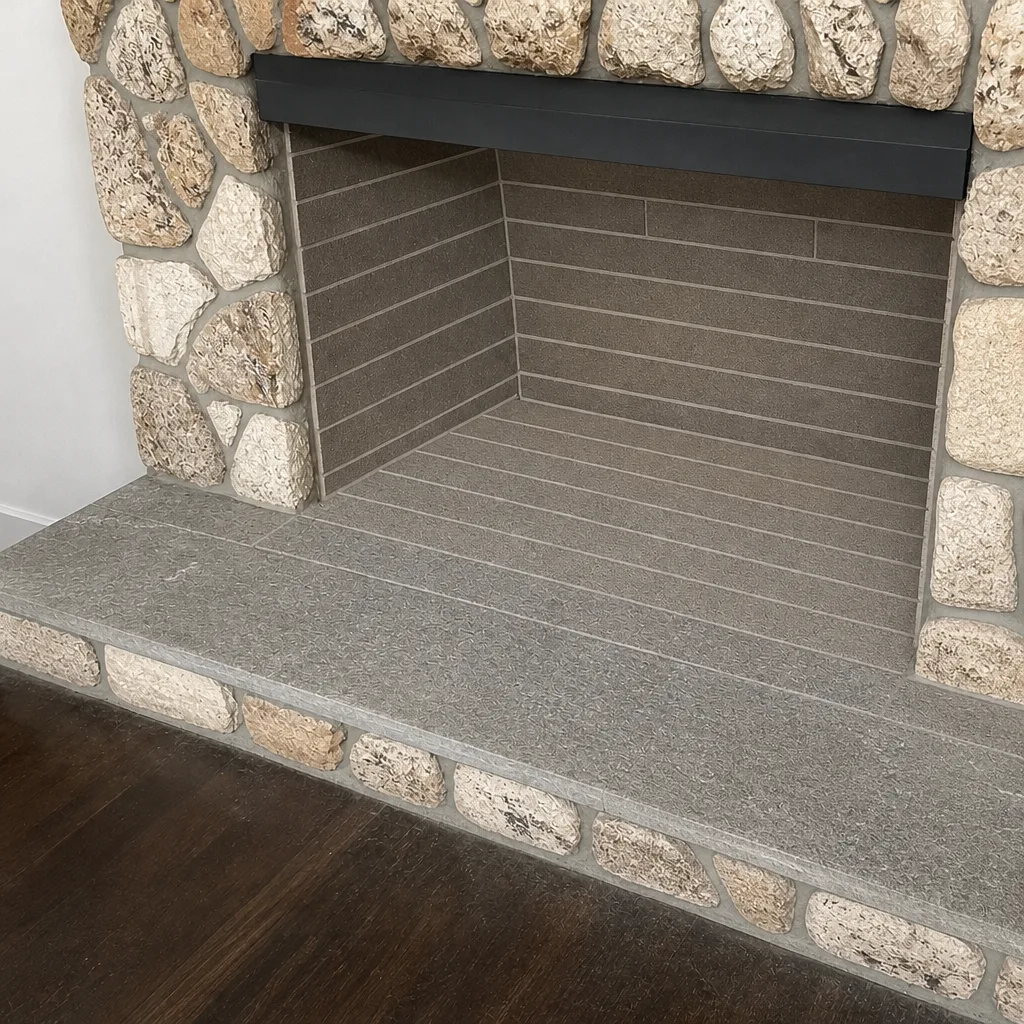
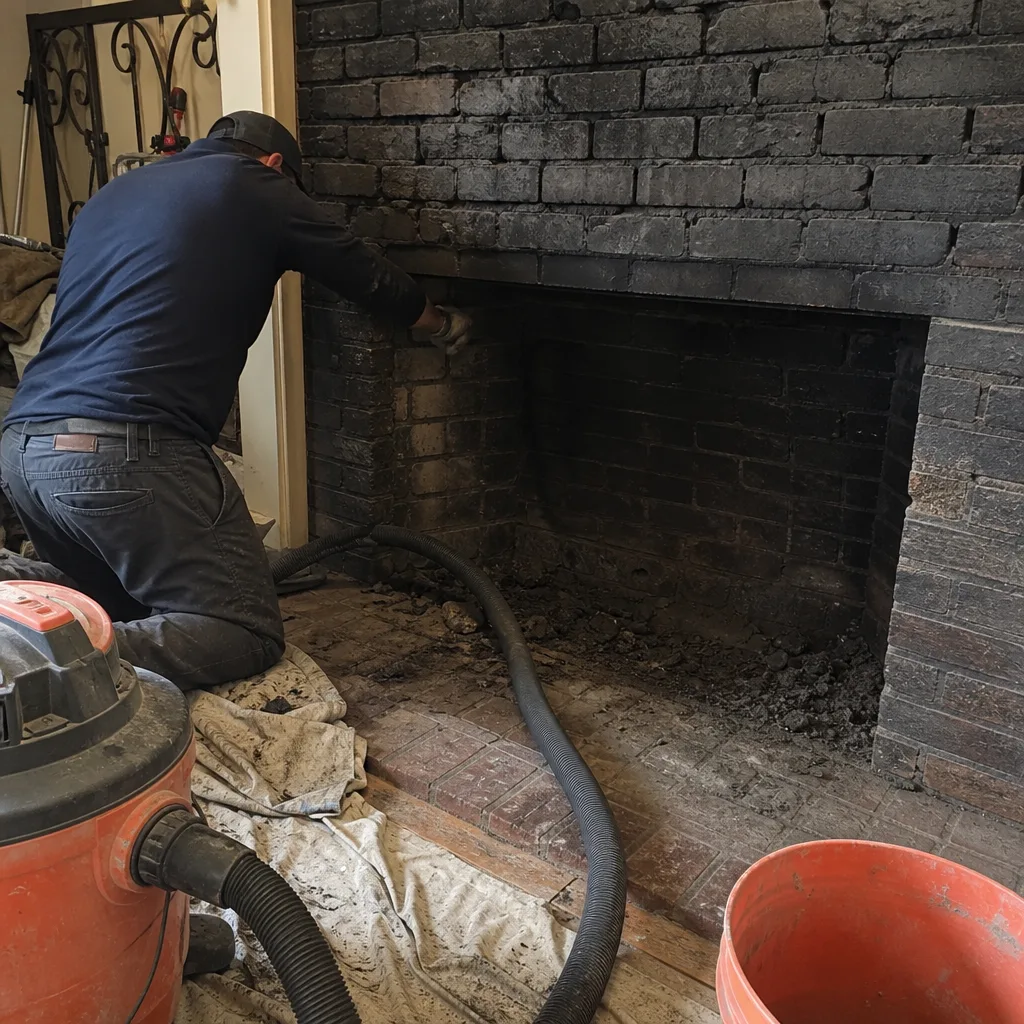
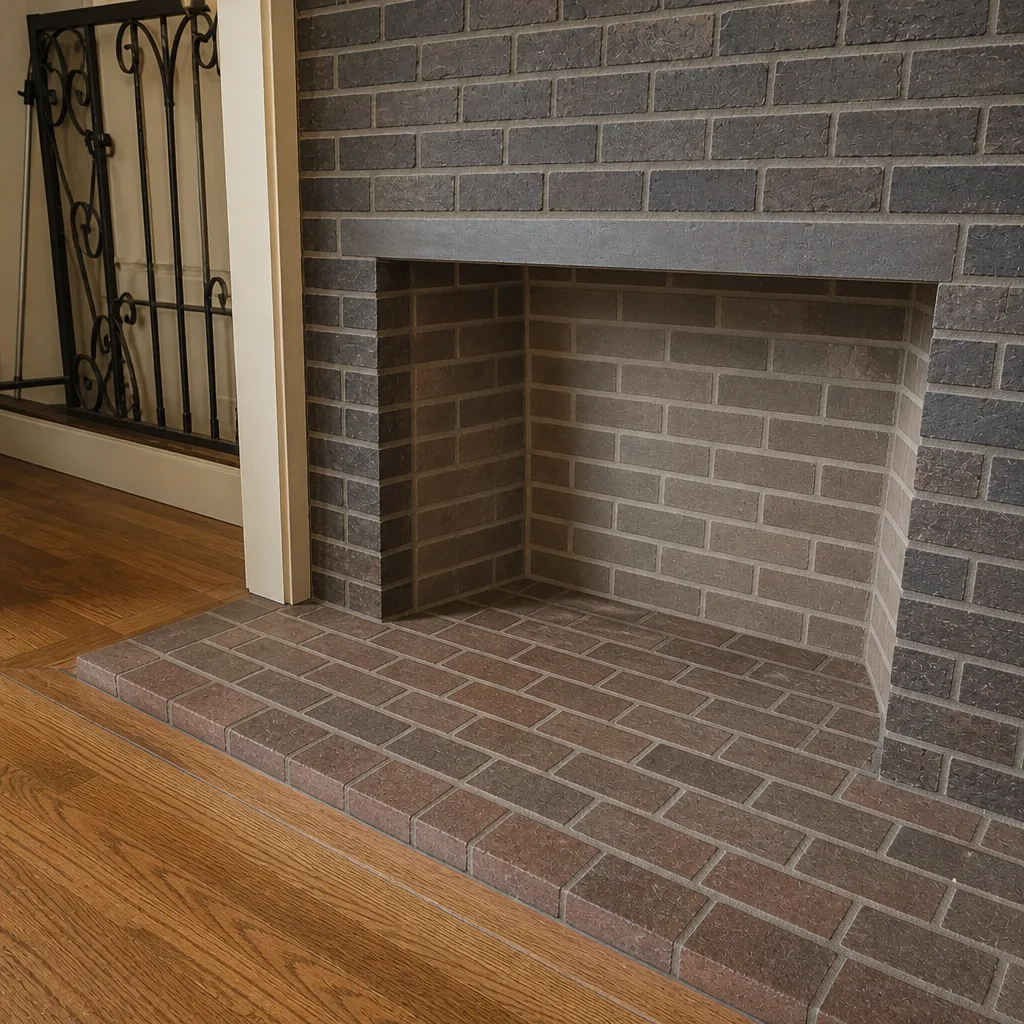
See the difference
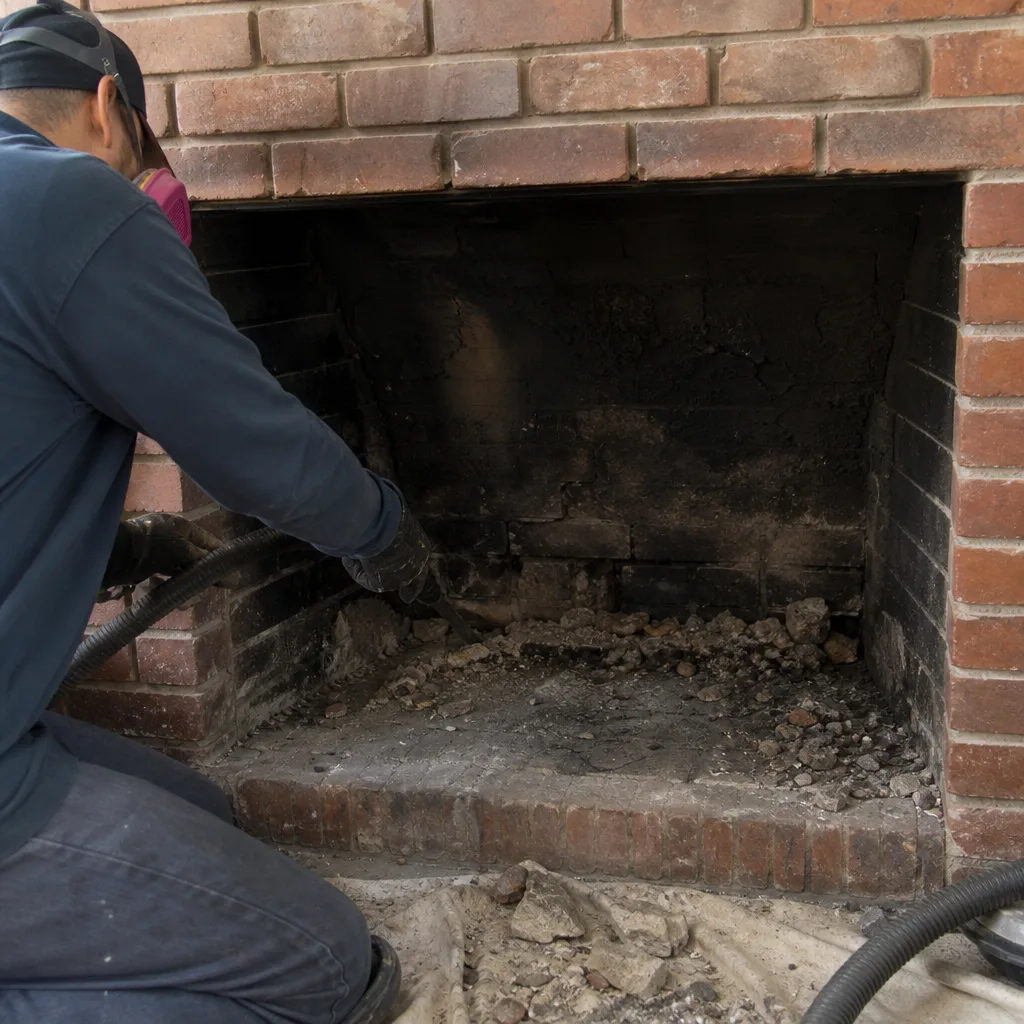 Before
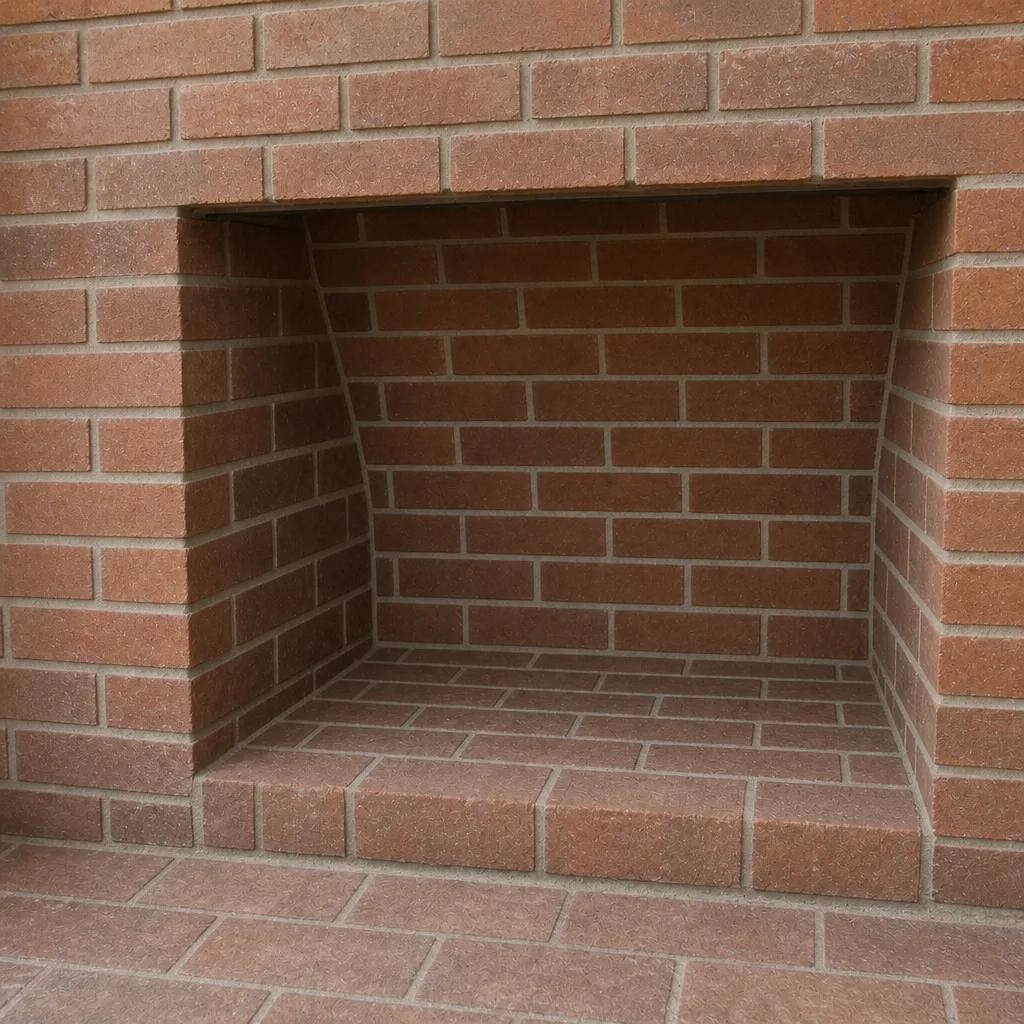 After
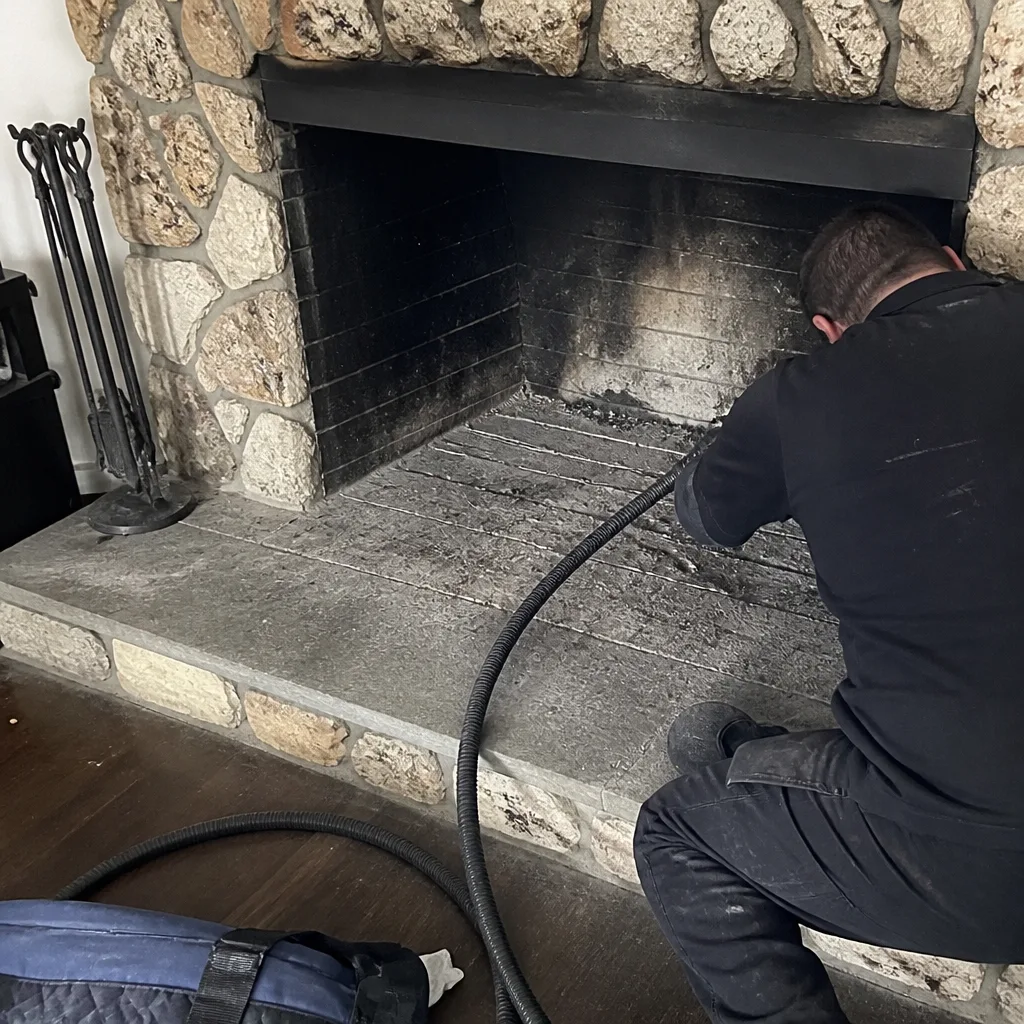 Before
 After
 Before
 After
When to Call a Professional
Call a pro if you see smoke spilling into the room, smell something like hot tar or old campfire even when no fire is burning, notice crumbling brick or mortar on the chimney exterior, or spot water staining near the fireplace after a wet spell. These are signals the chimney system needs attention beyond what a homeowner can assess from the ground. A camera inspection shows exactly what’s happening inside the flue, and the right fix prevents a much larger repair down the road. Ashford Chimney Sweep offers free estimates in North Hollywood. Call (833) 589-9860. We answer 24/7. Fast dispatch from 7am to 7pm, Sunday through Friday.
Frequently Asked Questions
A chimney used for primary heating should be swept once a year in North Hollywood. A fireplace used occasionally for ambiance can usually go two years between cleanings, but an annual inspection is still wise because the Valley’s dry summer and Santa Ana winds introduce debris that has nothing to do with how often you burn wood.
Yes, and arguably more than in rainy climates. A chimney cap in North Hollywood blocks the dry leaves, twigs, and wind-driven debris that Santa Ana gusts push across rooftops, and its spark arrestor screen keeps embers from escaping onto dry surroundings during burn season. Call (833) 589-9860 for a free estimate on a cap inspection or replacement.
Creosote accumulates, debris builds up inside the flue, and any existing moisture damage gets worse during the summer heat. Skipping years of cleaning can lead to a chimney fire, which burns at temperatures that crack flue tiles and warps dampers. The repair cost after a chimney fire far exceeds the cost of regular maintenance.
Wildfire smoke settles inside a dormant chimney as a fine, acidic film that lingers until the next sweeping. It doesn’t damage the flue the way creosote does, but it contributes to buildup and can produce a noticeable odor when you first light a fire months later. A post-summer inspection addresses this directly.
A standard chimney sweeping in North Hollywood typically runs between $180 and $300, depending on the condition of the flue and the level of buildup. Repairs are priced separately based on what the camera inspection reveals. Call (833) 589-9860 for an exact quote, estimates are free.
No. Gas fireplaces don’t produce creosote, so they don’t need sweeping at the same frequency. But gas appliances do produce acidic condensation that breaks down mortar and flue liners, and their venting systems should be visually inspected annually. A professional can assess what’s needed based on how the flue looks inside.
The Bottom Line
Chimney care in North Hollywood runs on a different calendar than the national template. The biggest threats come from summer smoke and fall winds, not winter storms, and the most effective maintenance is to work with the Valley’s actual rhythm. A post-summer inspection, a pre-burn-season sweep, and a well-maintained cap and damper cover the vast majority of what a chimney needs in this climate. Whatever the condition of your flue, the first step is the same: get a professional look, decide what needs doing, and fix it before it becomes a bigger problem. For a free estimate on chimney sweeping, repair, or dryer vent cleaning in and around North Hollywood, call (833) 589-9860 today. We answer 24/7. Fast dispatch from 7am to 7pm, Sunday through Friday.
Written by the team at Ashford Chimney Sweep, serving North Hollywood since 2012.