Last updated November 5, 2026
 Sweep & inspection
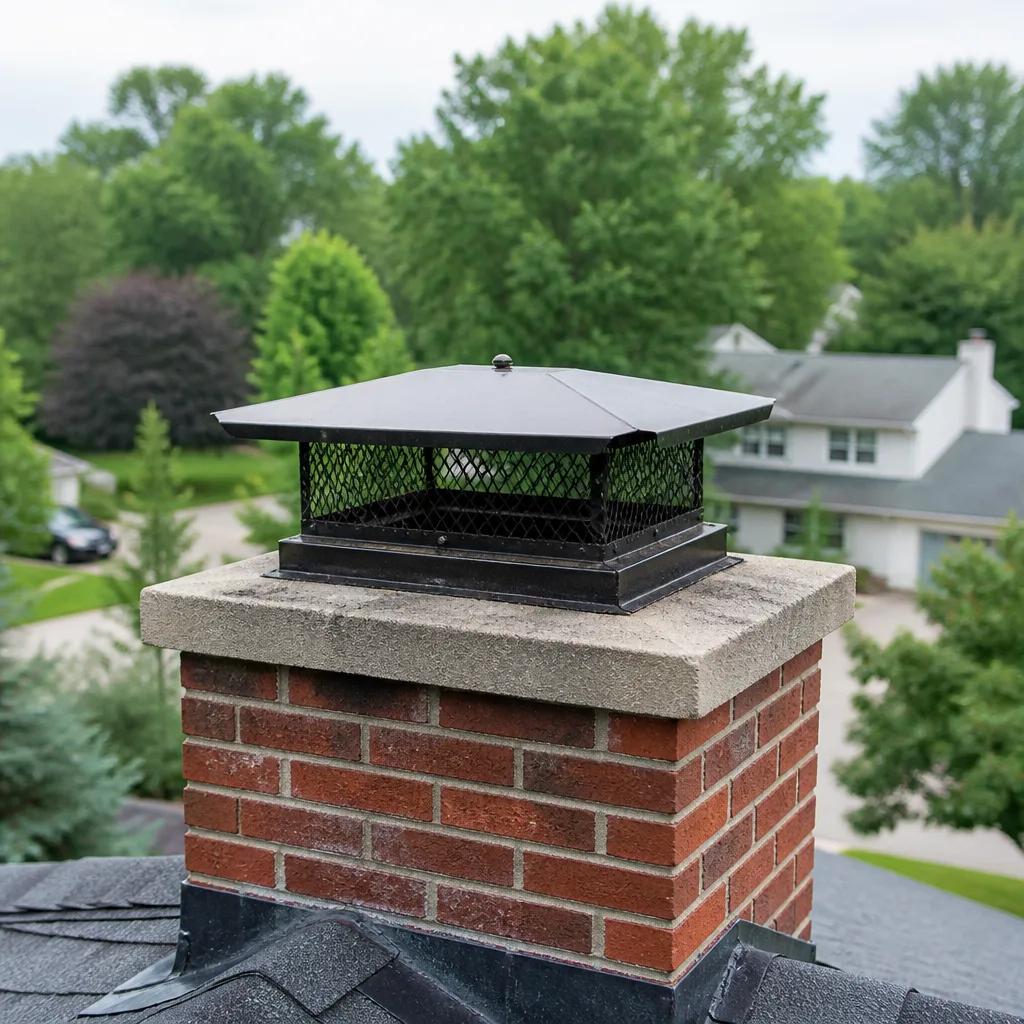
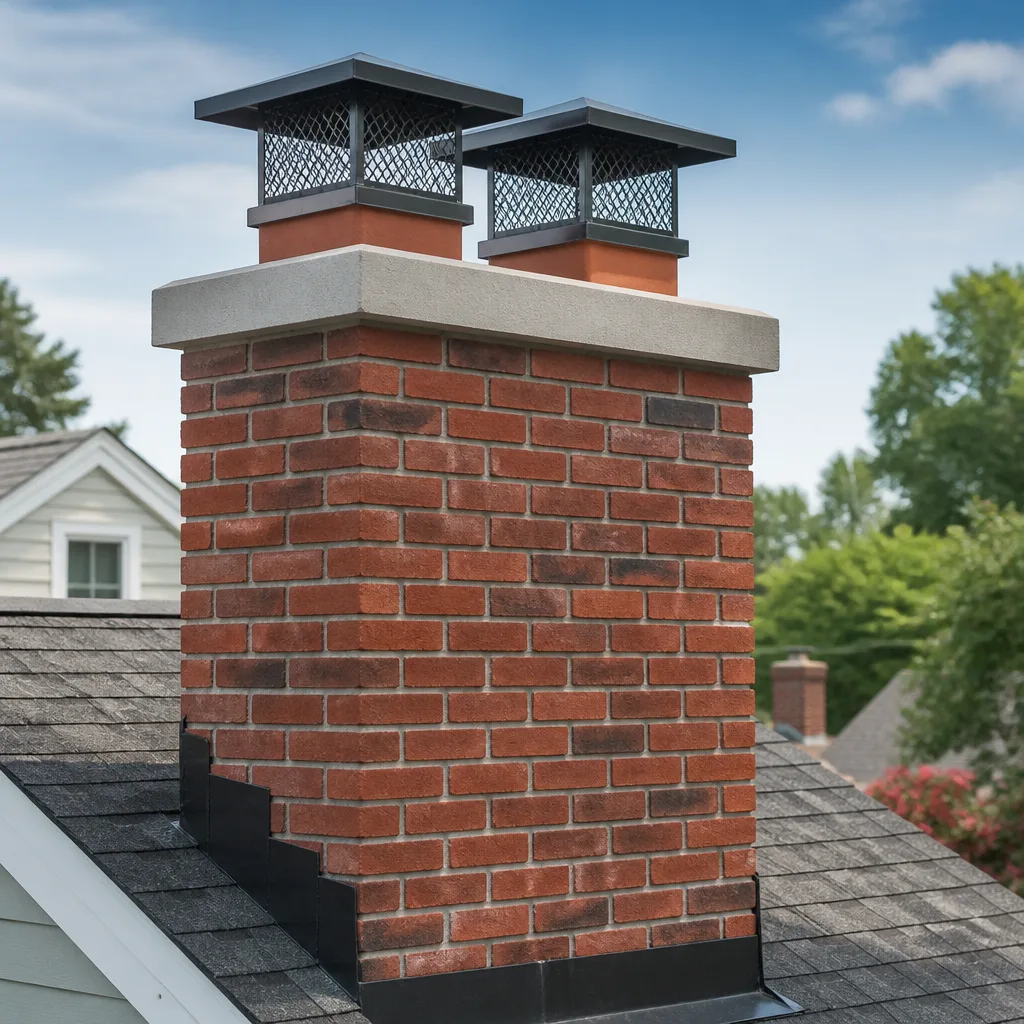 Caps & crowns
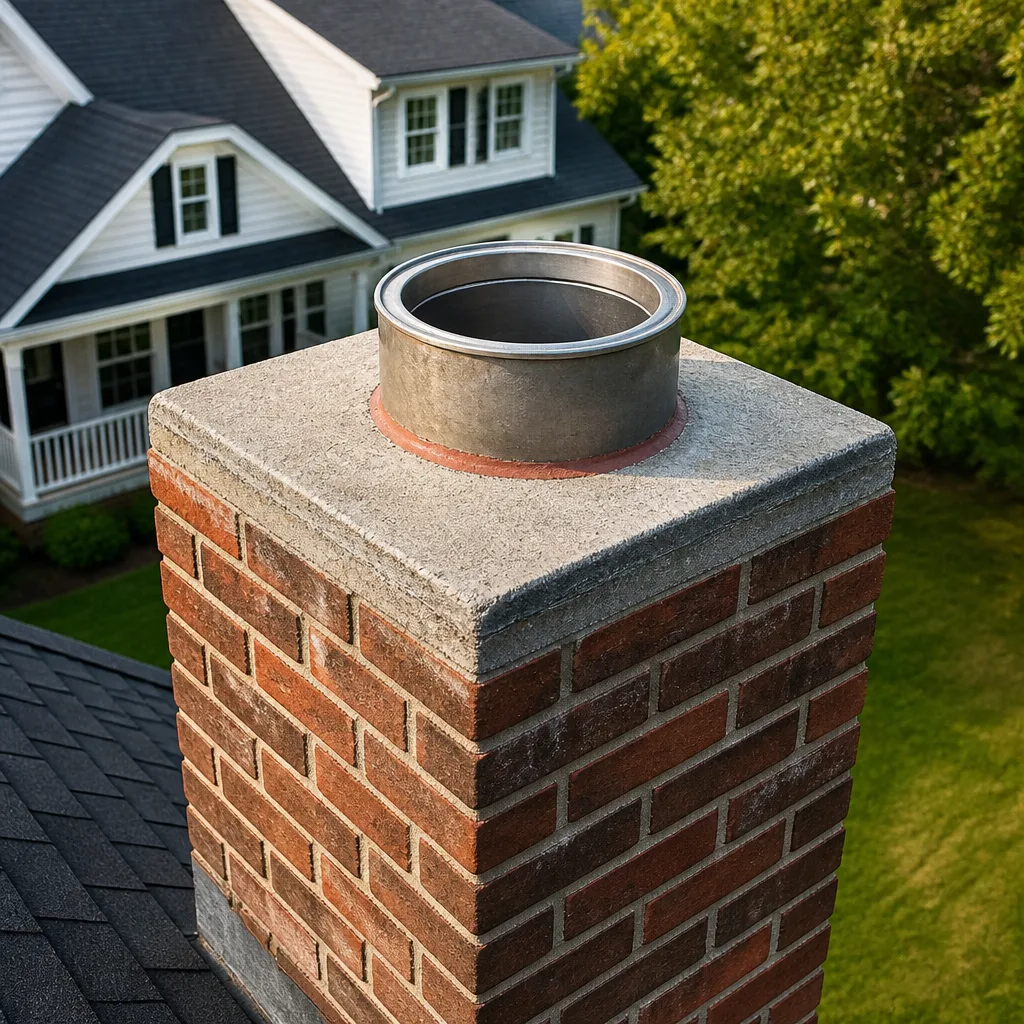 Flue relining
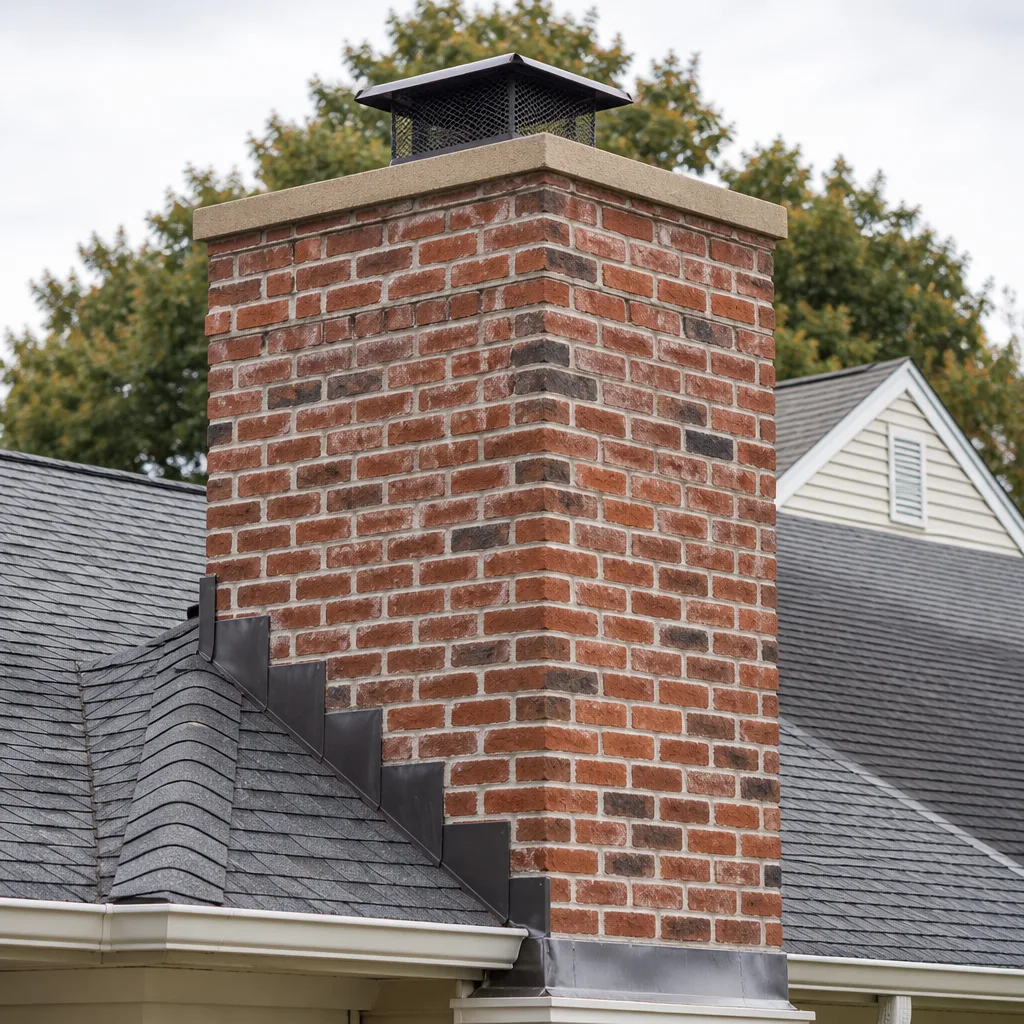 Masonry repair
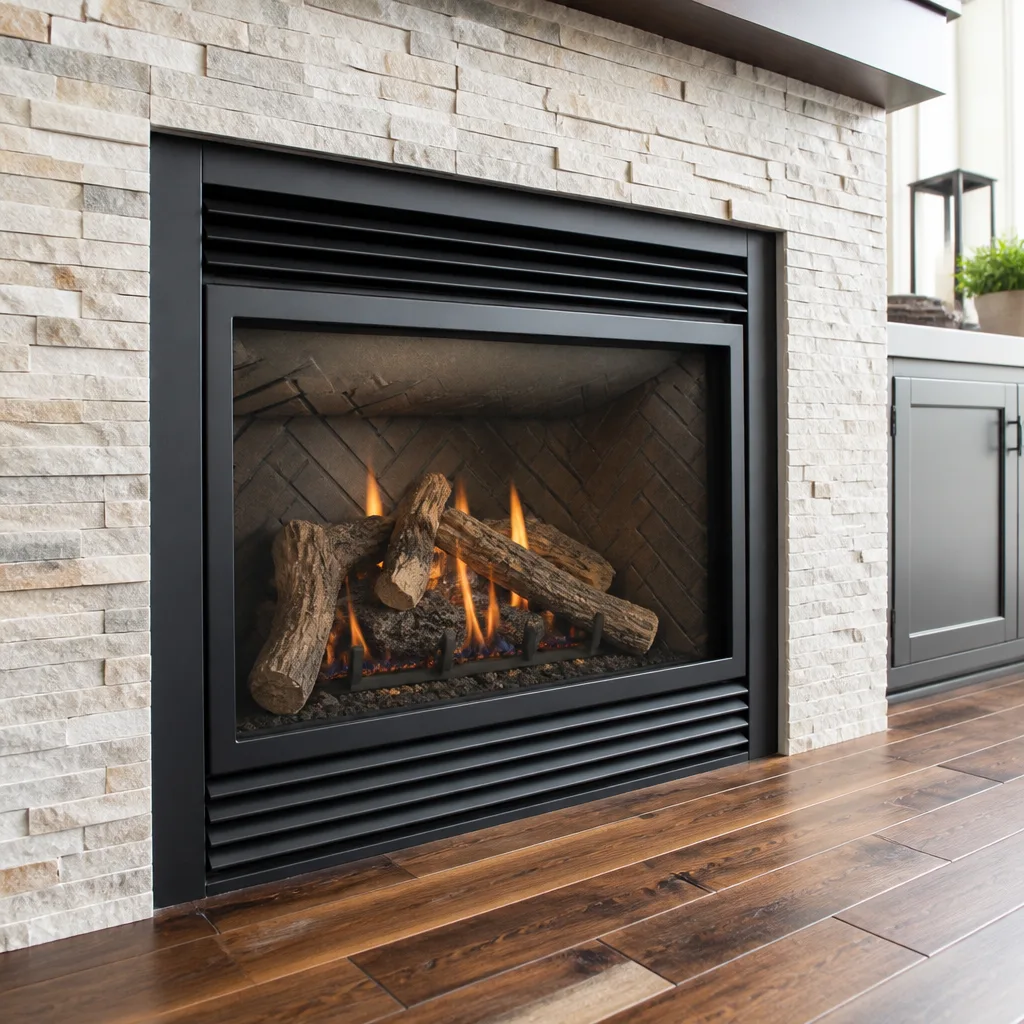 Gas fireplace service
Level 1 sweep and inspection to the NFPA 211 annual standard - flue, crown, cap, and flashing checked and photographed
Chimney sweep logs do not sweep chimneys. They loosen some creosote - which then falls where a brush and vacuum still have to collect it.
Choosing the Right Chimney Cleaning Brand: A Buyer’s Guide for North Hollywood
Two contractors can quote you a flue liner installation at similar prices and use products so different in quality that one is a 25-year fix and the other is a 7-year patch. The invoice won’t tell you which is which unless you know what to ask. Most homeowners in North Hollywood never see the supply chain behind their chimney work, but that supply chain determines whether your repair holds up to years of wood smoke, gas exhaust, and Southern California temperature swings. This guide names names. You’ll learn what separates professional-grade chimney products from hardware-store substitutes, which specific brands matter, and how to ask a contractor the right questions before you sign anything.
Styles & brands we work with
- Sweep & inspection
- Caps & crowns
- Flue relining
- Masonry repair
- Gas fireplace service
Quick Answer
Choosing the right chimney cleaning brand starts with understanding that the real brands aren’t the sweeping companies themselves, they’re the product manufacturers behind the work. For North Hollywood homeowners, look for a contractor who sources from professional chimney supply distributors and uses proven product lines like DuraFlex liner systems, HeatShield ceramic restorative, Copperfield components, and Olympia Chimney products. These are trade-grade materials you won’t find at consumer retail stores, and they’re the difference between a repair that lasts decades and one that fails in a few years.
Table of Contents
- Why the Brands Behind Your Chimney Work Matter More Than You Think
- What Professional-Grade Chimney Products Actually Are
- DuraFlex Liner Systems: What They Are and Why Installation Quality Is Everything
- HeatShield: The Restoration Option Most Sweeps Can’t Offer
- Copperfield and Olympia: The Distribution Network Behind Professional Sourcing
- Questions to Ask Any Chimney Contractor Before Work Begins
- Why Southern California Conditions Demand Professional Materials
- Common Mistakes to Avoid
- When to Call a Professional
- Frequently Asked Questions
- The Bottom Line
Why the Brands Behind Your Chimney Work Matter More Than You Think
When you hire a chimney sweep, you’re not really hiring a person with a brush. You’re hiring their sourcing decisions. The products they choose to install in your home, the liner they pull through your flue, the sealant they spread across your crown, the cap they bolt to your chimney top, those choices determine how long the work holds.
A flue liner carries hot exhaust gases and creosote deposits away from your home’s structure. A crown sealant keeps water out. A cap keeps rain, debris, birds, and embers out. Each of these components has a job. When a contractor buys the cheapest version available at a hardware chain, that version is built to a price point, not a performance standard. When a contractor sources from a professional chimney supply distributor, they’re buying the same products certified chimney contractors use nationwide.
In North Hollywood, where chimneys contend with intense summer heat and mild but real winter use, this distinction shows up in how quickly materials degrade. We’ve seen liners installed with substandard materials fail within a few years of regular wood burning. We’ve also seen properly installed professional-grade liners look nearly new after a decade of use. The difference was never the installation technique alone. It was what was installed.
What Professional-Grade Chimney Products Actually Are
Professional chimney supply brands sell exclusively through trade distributors. You won’t find them on the shelf at a big-box store because their manufacturers want installation by trained contractors who understand chimney systems, not DIY homeowners working from a video tutorial.
Here is what separates professional-grade from consumer-grade in practical terms:
- Material composition: Professional liner systems use stainless steel alloys designed to withstand creosote condensation and flue gas temperatures. Consumer alternatives often use thinner metal or different alloys that corrode faster.
- Testing and certification: Trade brands are built to meet specific industry standards for fire safety and venting performance. Generic hardware products may not carry the same testing certifications.
- Installation requirements: Professional products typically require specific tools and training to install correctly. This is a feature, not a bug, because correct installation is what makes the product work.
- Warranty support: Products from professional supply lines carry manufacturer warranties that are honored through the contractor network. If something fails, there’s a clear path to resolution.
For North Hollywood homeowners, the practical takeaway is this: ask your contractor where they source their materials. A legitimate chimney professional will name their distributor and their product lines without hesitation. A contractor who gets defensive or vague is telling you something important about what they install.
DuraFlex Liner Systems: What They Are and Why Installation Quality Is Everything
DuraFlex is a flexible stainless steel chimney liner system used to reline flues that have deteriorated or to upgrade flues for modern appliances. It’s a professional-grade product that contractors source through chimney supply distributors, not something you’ll find at a consumer retail store.
A flexible liner gets pulled through your existing flue and connected to your appliance. When installed correctly, it creates a continuous, properly sized venting path that contains flue gases and creosote. When installed poorly, even a quality product can fail. That’s why the contractor’s experience with the specific product line matters as much as the product itself.
What should you ask about liner work in North Hollywood?
- Which liner system do you use, and who is your supplier?
- How do you size the liner for my specific appliance and flue dimensions?
- What insulation method do you use around the liner, and why?
- How do you handle the connection at the top and bottom of the flue?
- What does the manufacturer’s warranty cover, and how is it honored if something fails?
We use DuraFlex liner systems because they’re built for this exact purpose. The alloy is designed for flue gas exposure, the flexibility allows for proper fitting through older chimneys common in North Hollywood homes built decades ago, and the product is backed by a manufacturer who stands behind their materials. When we recommend a liner, we can explain exactly why this product suits your chimney system, not just that it’s what we happen to have in the truck.
HeatShield: The Restoration Option Most Sweeps Can’t Offer
Most chimney sweeps can clean your flue. When they find damage during the inspection, most can’t do much about it. They hand you a report and suggest you call someone else. That handoff is where homeowners in North Hollywood lose time, pay twice for assessments, and sometimes end up with repairs that don’t address the actual problem.
HeatShield is a ceramic restorative product that can repair damaged chimney flues without a full relining. It’s applied to the interior of the flue to seal cracks, gaps, and deteriorated mortar joints. In many cases, it’s a cost-sensitive alternative to pulling a new liner, and it extends the life of a chimney that would otherwise need major work.
Here is why this matters for you as a homeowner:
- It’s an option, not a default. A contractor offering HeatShield can assess whether restoration is appropriate or whether full relining is the right call.
- It’s a skill-based installation. The product works when applied correctly to a properly prepared flue. Contractors trained on the system know what that preparation requires.
- It’s a repair, not a patch. HeatShield is an industry standard for liner restoration, used by certified chimney professionals across the country.
We offer HeatShield because we repair what we find. When our inspection reveals flue damage, we’re not sending you to a stranger with a referral slip. We can explain the damage, show you the evidence, and fix it in the same relationship, often during the same visit window.
Copperfield and Olympia: The Distribution Network Behind Professional Sourcing
You’ve probably never heard of Copperfield or Olympia Chimney. That’s by design. They’re not consumer brands. They’re professional chimney supply distributors that sell to contractors, and they’re two of the most recognized names in the trade.
Copperfield supplies chimney products and components to contractors throughout California. Olympia Chimney is a national distributor of chimney and venting products. When a chimney company sources from these distributors, they’re buying from the same supply chain that certified chimney contractors rely on, not from a consumer retailer’s inventory.
Why does the distributor matter to you in North Hollywood?
- Product authenticity: Professional distributors carry genuine trade products, not consumer-market substitutes that look similar but perform differently.
- Technical support: Distributors provide contractors with specification data, installation guidance, and warranty support. This back-end infrastructure improves the quality of the work you receive.
- Accountability: A contractor with a distributor relationship has a professional reputation to maintain. The distributor won’t keep selling to someone who does sloppy work and blames the materials.
Our sourcing includes Copperfield and Olympia Chimney products. When we install a cap, a crown coating, or a liner component, we know where it came from and we know how it’s supposed to perform. That supply chain clarity is part of what you’re paying for when you hire a professional.
Questions to Ask Any Chimney Contractor Before Work Begins
The easiest way to evaluate a chimney contractor in North Hollywood is to ask about their materials. The answers will tell you more than any review or sales pitch. Here are the questions we recommend, and what the answers signal.
- “What specific liner system do you use, and where do you source it?” A contractor who names a trade brand like DuraFlex and a professional distributor has a legitimate supply chain. A contractor who says “whatever the job needs” or “standard stuff” is telling you they buy whatever is cheapest or easiest.
- “Do you offer restoration options like HeatShield, or is full relining my only choice?” If full relining is the only option they can offer, they may not have the training or sourcing for restoration work. That’s fine for a basic sweep, but it limits your repair options.
- “What brand of cap and crown sealant do you use?” Professional contractors use contractor-specified hardware from trade distributors. Generic caps and sealants from hardware stores are built for different use cases and typically fail faster.
- “Can you show me the damage before recommending a repair?” Any legitimate contractor should be able to provide camera inspection evidence. If they want to schedule major work without showing you the problem, walk away.
- “What does the product warranty actually cover, and how is it honored?” A legitimate product warranty on liner or sealant work should specify what’s covered, for how long, and what the process is if something fails. Vague warranty talk is a warning sign.
These questions work because they expose whether a contractor has a professional supply chain or a hardware-store budget. In North Hollywood, where homes range from mid-century builds to newer construction, the chimney system’s condition varies wildly. The right contractor asks about your specific chimney before recommending anything. The wrong contractor gives you the same pitch they gave the last five houses.
Why Southern California Conditions Demand Professional Materials
North Hollywood gets hot. Not Phoenix hot, but hot enough that your chimney’s exterior components expand and contract through significant temperature swings. Your crown, the concrete-like cap at the top of your chimney, takes direct sun in summer and cools at night. Your flashing, where the chimney meets the roof, goes through the same cycle.
Those temperature swings stress materials. A generic sealant from a hardware store might handle a mild climate, but Southern California’s combination of UV exposure, heat, and periodic rain (when it comes, it often comes hard) demands sealants and coatings built for the job. Professional-grade crown sealants are formulated for exactly these conditions.
Seismic activity is another factor. North Hollywood sits in a seismically active region. Your chimney is one of the most vulnerable parts of your home during an earthquake because it’s a tall, rigid structure attached to your roofline. Professional-grade liner systems maintain their integrity even under movement. Properly installed liner components hold up through minor seismic events that might crack or shift inferior materials.
None of this means your chimney is in constant danger. It means the materials you choose matter in ways that aren’t obvious until something fails. A homeowner who selects materials based on lowest price is gambling on conditions they can’t control. A homeowner who selects materials based on professional-grade sourcing is making a decision that pays off over years of use.
Common Mistakes to Avoid
- Choosing the cheapest quote without comparing materials. Two quotes for the same job can use products of dramatically different quality. The lower price often reflects what’s being installed, not just the labor. Ask what specific products are in each quote and compare like with like.
- Hiring a sweep who can’t repair what they find. A cleaning-only sweep will inspect your chimney, find damage, and tell you to call someone else. You then pay for a second assessment and lose time. Look for a contractor who can handle both the inspection and the repair.
- Ignoring the chimney cap. In North Hollywood’s dry climate, an uncapped chimney invites birds, debris, and rainwater during the occasional downpour. A professional-grade cap is a minor investment that prevents major problems. Ask what cap hardware your contractor uses.
- Treating the chimney as one component instead of a system. Your chimney is a system: flue, liner, cap, crown, flashing, and venting. A problem in one area often affects others. A contractor who only looks at the flue and ignores the crown is missing the bigger picture.
- Assuming all sealants are the same. The sealant used on your crown determines how well water is kept out for years. Professional-grade sealants from trade distributors are formulated for chimney exposure. Generic products aren’t.
- Not asking about dryer vent cleaning. Most homeowners with a clothes dryer don’t realize their dryer vent is a legitimate fire hazard. Lint builds up over time, restricts airflow, and can ignite. Treating dryer vent cleaning as a separate chore is a mistake. It’s a fire-safety service, same as chimney sweeping.
- Skipping the camera inspection. Any legitimate chimney assessment includes a camera inspection of the flue interior. If your contractor wants to recommend repairs without one, they’re guessing. Ask to see the footage.
When to Call a Professional
Schedule a professional chimney assessment in North Hollywood if you’ve recently purchased a home with an unknown chimney history, if you use your fireplace or wood stove regularly during the cooler months, if you notice any visible cracking in the chimney crown or brick, or if you smell unusual odors coming from the fireplace when it’s not in use. These are all signals that your chimney system needs attention from someone who can both assess and fix what they find.
If you have a gas or pellet appliance venting through your chimney, that system needs professional attention too. Gas exhaust can be just as damaging to flue interiors as wood smoke, and the carbon monoxide risk of a compromised vent is serious. Don’t wait for visible damage to appear. Ashford Chimney Sweep offers free estimates in North Hollywood. Call (833) 589-9860. We answer 24/7. Fast dispatch from 7am to 7pm, Sunday through Friday.
Frequently Asked Questions
Chimney cleaning costs vary based on the chimney’s size, condition, and accessibility, but North Hollywood homeowners typically see estimates in a range that reflects the market here, influenced by local labor costs and the specific chimney system in question. The written estimate sets the final price, and it’s always free to get one. Call (833) 589-9860 for an exact quote based on your chimney’s condition.
A chimney sweep who sources from a professional chimney supply distributor like Copperfield or Olympia Chimney is using the same products certified contractors use nationwide, with technical specifications and manufacturer warranties built for chimney work. A sweep who buys from a hardware chain is using consumer-market products built to a price point, not a performance standard. The difference shows up in how long the work holds, and the invoice rarely tells you which version you’re getting unless you ask.
It depends on the extent of the damage in your flue, and the only honest way to know is through a camera inspection. In many cases, a ceramic restorative product like HeatShield can seal cracks and deteriorated mortar joints without a full relining, but only a contractor trained on that system can tell you if your chimney is a candidate. Full relining is still the right call for severely damaged flues. A contractor who offers both options can give you a straight answer, not a predetermined pitch.
The general guidance is that a wood-burning chimney should be swept when creosote buildup reaches a level that creates a fire risk, which for most regular users means an annual inspection and cleaning as needed. In North Hollywood’s mild climate, many homeowners use their fireplaces less frequently, but even occasional use means creosote accumulates over time. A professional can assess your buildup with a camera inspection and tell you whether cleaning is needed now or can wait.
Creosote, the byproduct of wood smoke, coats your flue over time and can ignite, causing a chimney fire that damages the liner and can spread to the surrounding structure. Water intrusion through a cracked crown or missing cap can deteriorate masonry and the flue interior, leading to expensive repairs. Skipping maintenance saves a small amount today and risks a much larger repair later, and the failure usually shows up when you’re actually using the chimney, not during a convenient inspection window. Call (833) 589-9860 to schedule an assessment before burning season starts.
A legitimate product warranty should specify what components are covered, the coverage period, and the process for making a claim if something fails. It should name the product line and the manufacturer, and it should be clear about what would void the warranty, such as improper use or lack of basic maintenance. If a contractor can’t produce written warranty details before you sign, don’t expect them to be more specific after the work is done.
The Bottom Line
The brands behind your chimney work aren’t a marketing detail. They’re the materials that determine whether your liner lasts decades or fails in years, whether your crown keeps water out or lets it in, and whether your repair holds through Southern California heat, seismic movement, and years of wood smoke. North Hollywood homeowners who ask about product names, distributor sources, and warranty specifics are doing something most people never do: evaluating contractor quality before the work begins. The questions are simple. The answers reveal everything. Call (833) 589-9860 for a free estimate and an assessment based on what your chimney actually needs, not what’s easiest to sell.
Written by the team at Ashford Chimney Sweep, serving North Hollywood since 2012.
See the difference
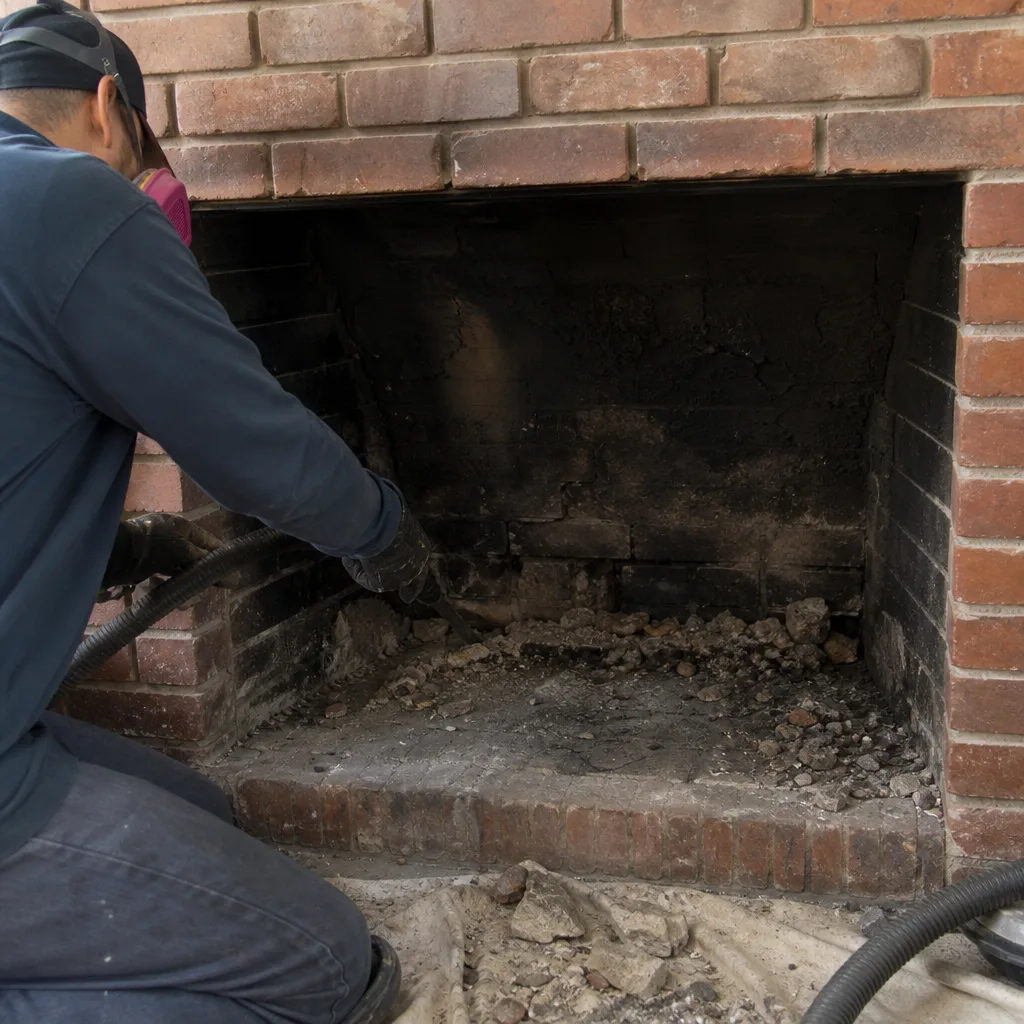 Before
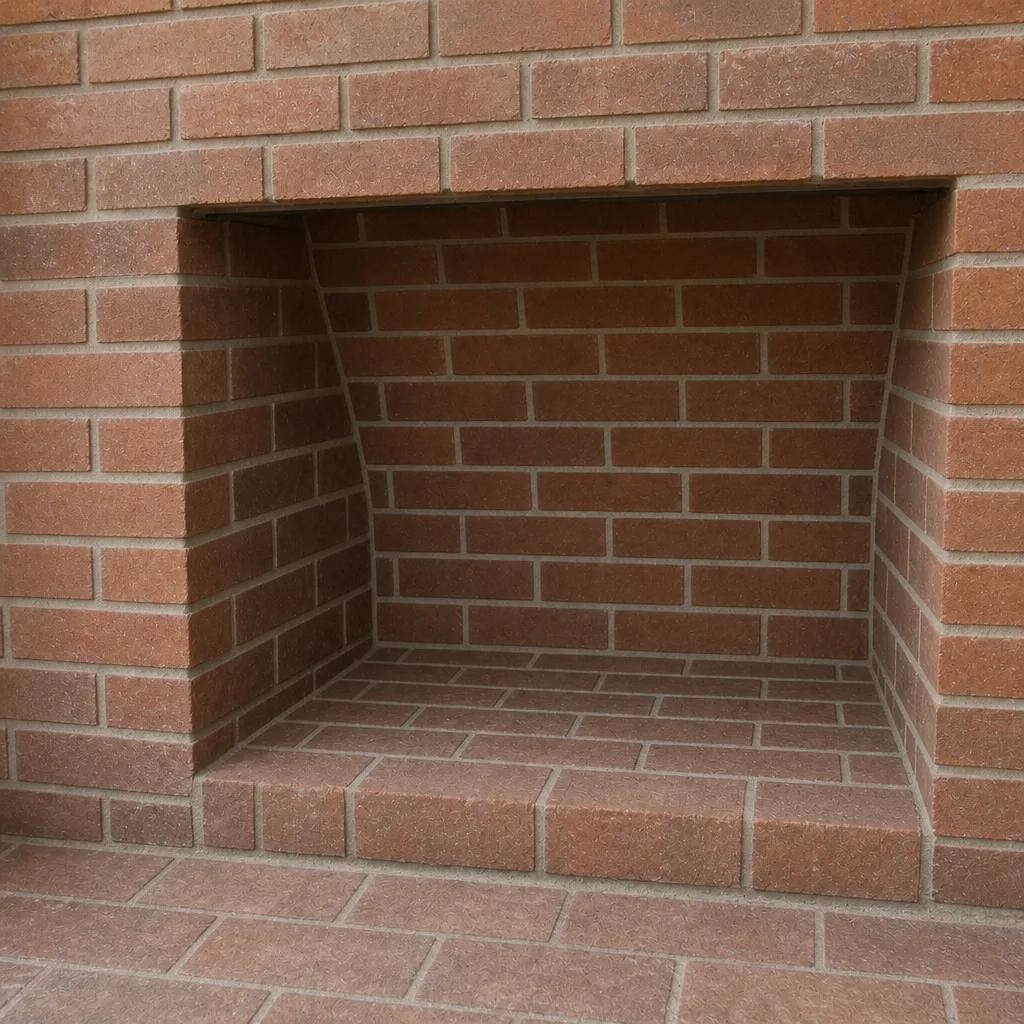 After
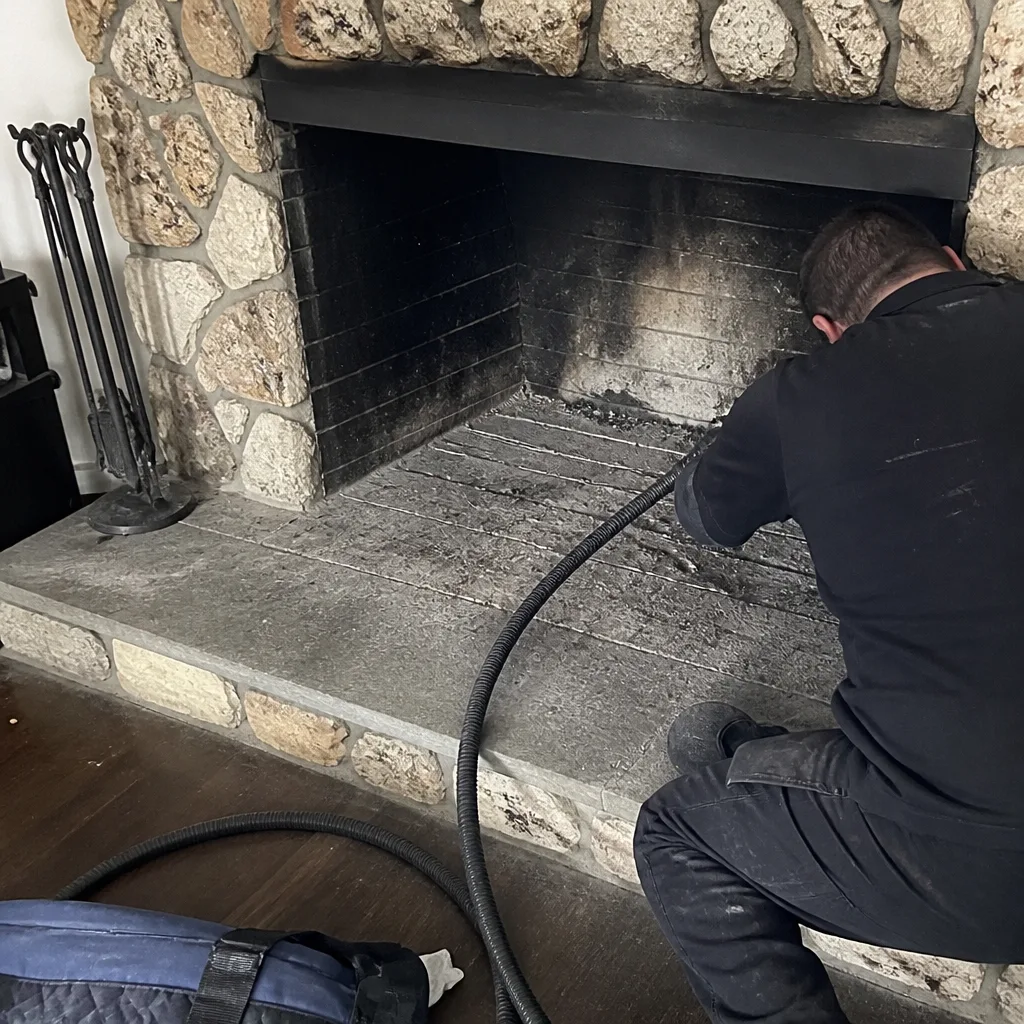 Before
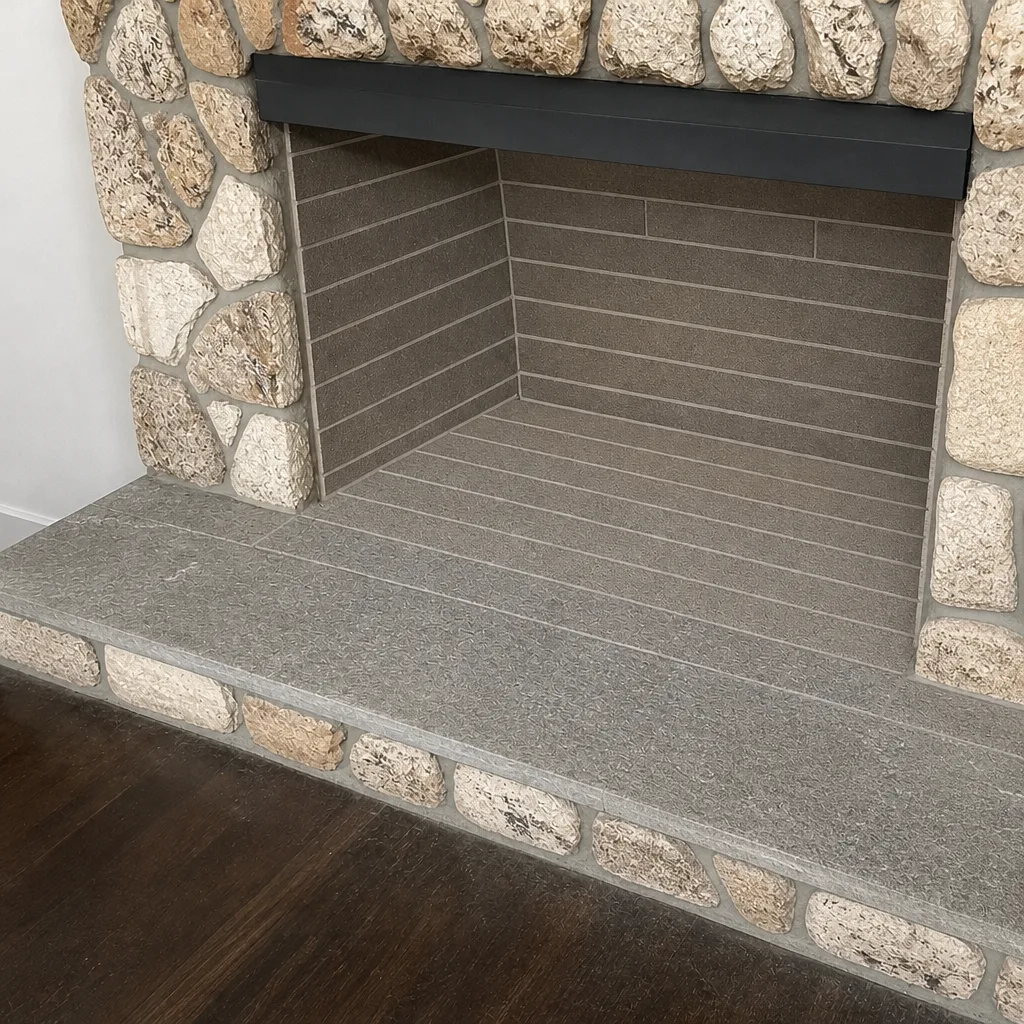 After
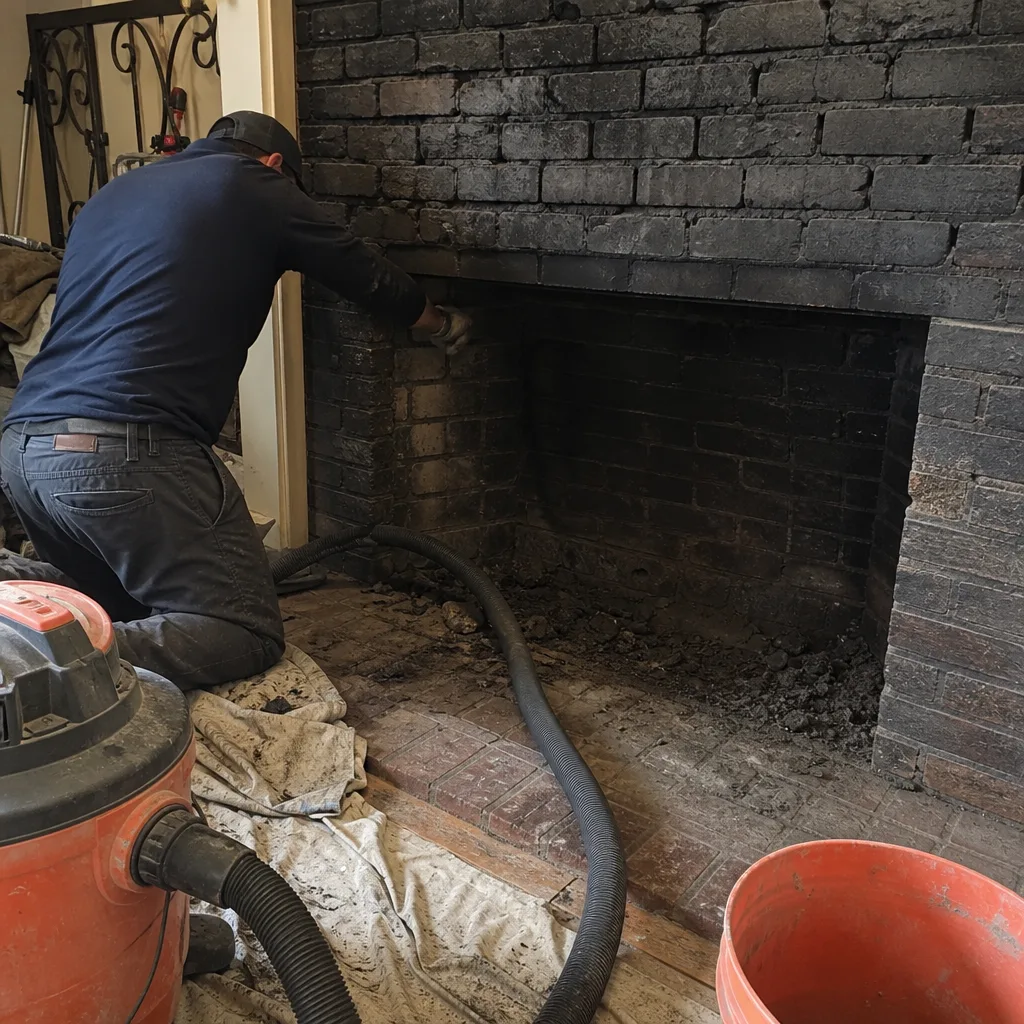 Before
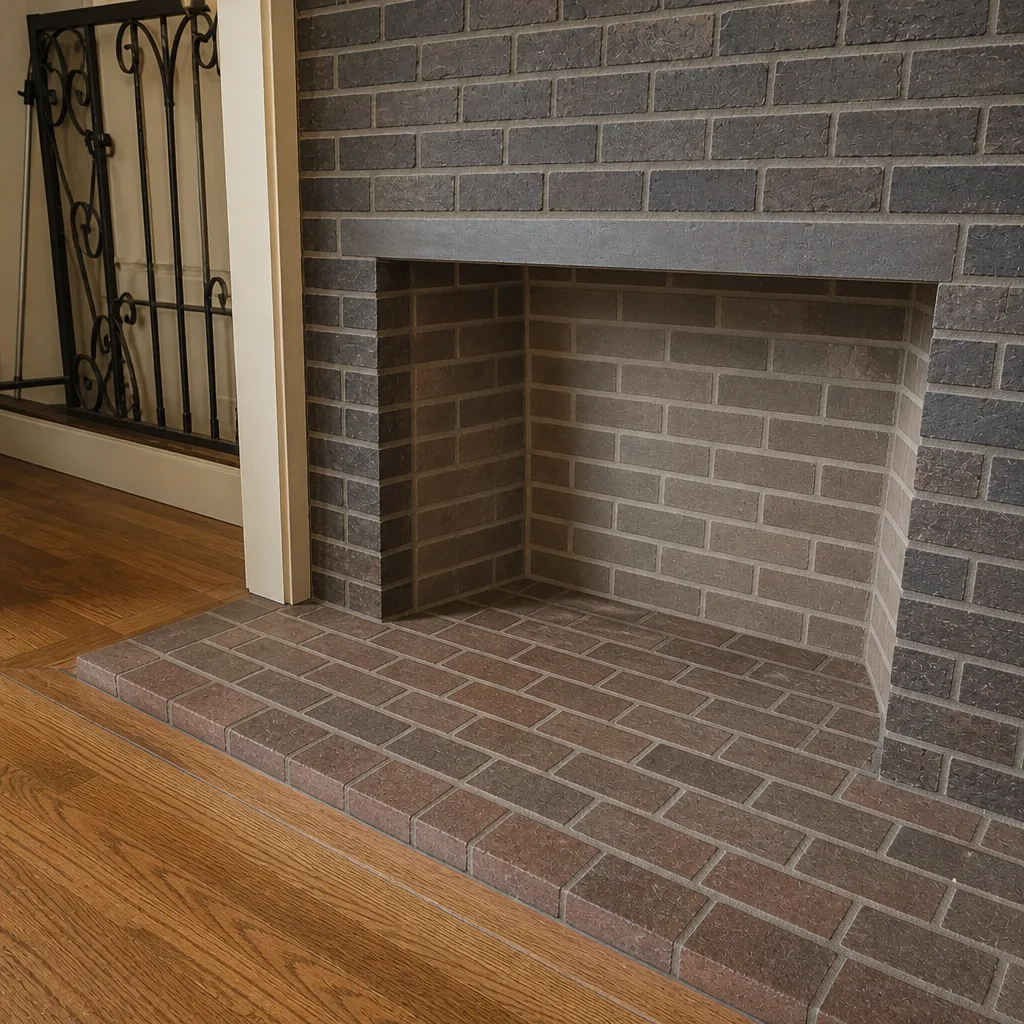 After