
Last updated November 5, 2026
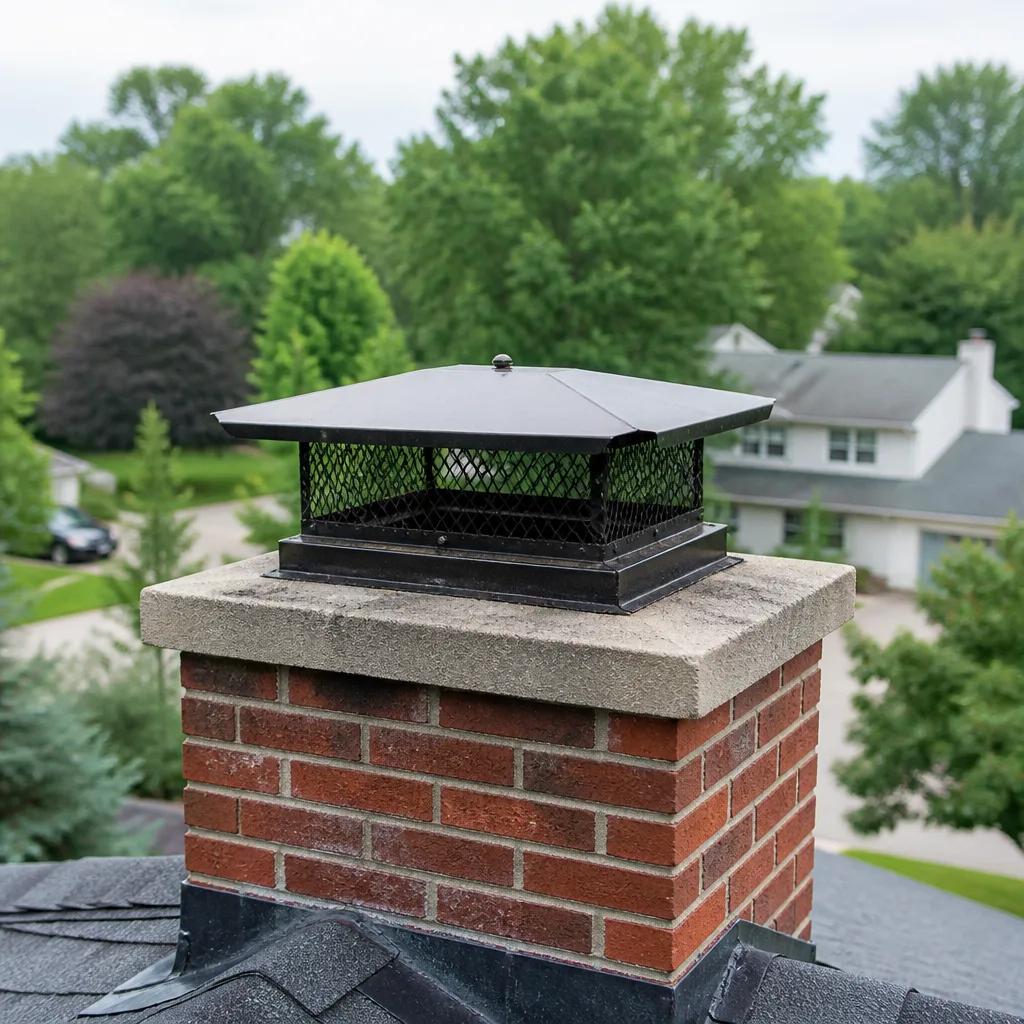 Sweep & inspection
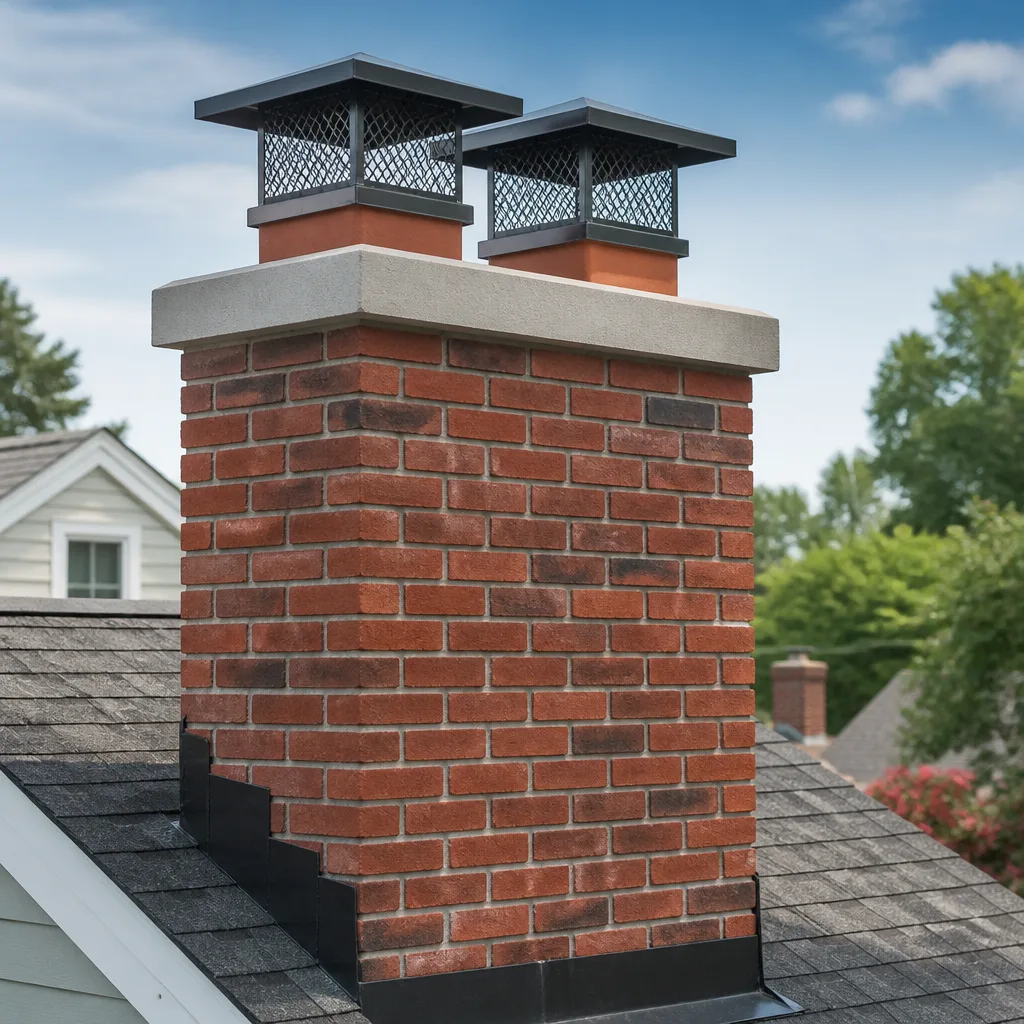 Caps & crowns
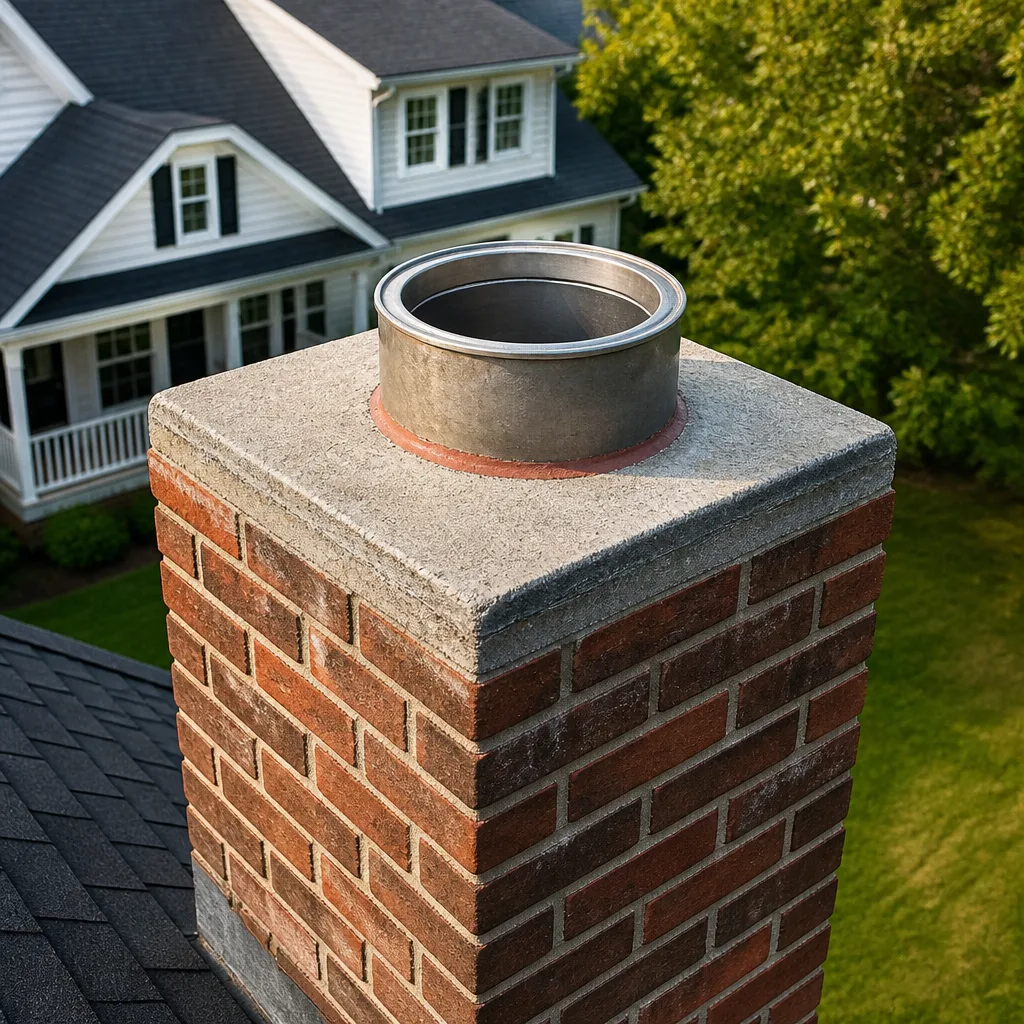 Flue relining
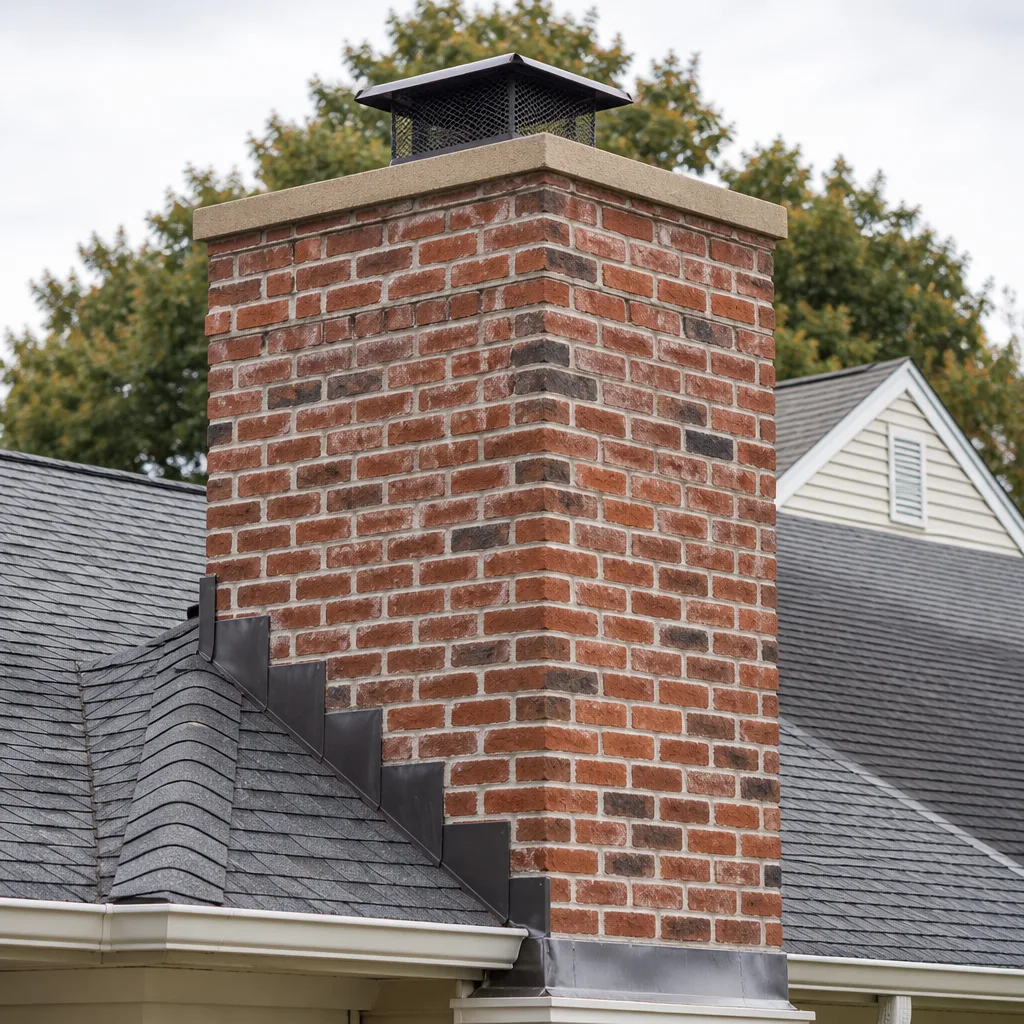 Masonry repair
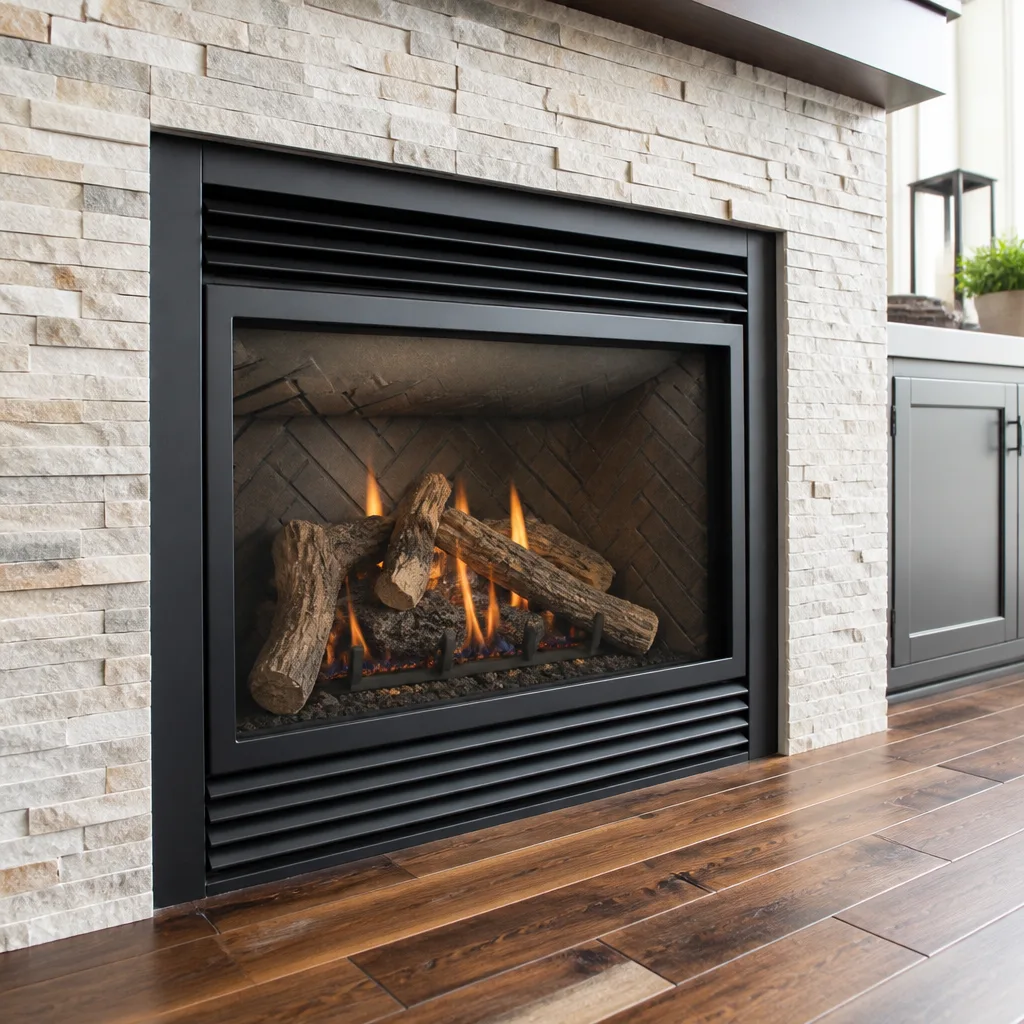 Gas fireplace service
Level 1 sweep and inspection to the NFPA 211 annual standard - flue, crown, cap, and flashing checked and photographed
Chimney sweep logs do not sweep chimneys. They loosen some creosote - which then falls where a brush and vacuum still have to collect it.
The Complete Guide to Chimney Cleaning in North Hollywood
Most North Hollywood homeowners use their fireplace fewer than 10 times a year, and that irregular burn pattern is exactly what accelerates glazed creosote buildup: the dense, sticky kind a standard brush won’t touch. The mild climate lets us skip months between fires, which lets each burn deposit a thin layer that bakes and hardens instead of burning off. This guide explains what actually shows up inside San Fernando Valley chimneys, why local wildlife and eucalyptus debris matter as much as soot, and how to tell a documented inspection finding from upsell theater. You’ll learn how North Hollywood’s specific conditions affect your flue, what a real cleaning should include, and how to make sure the work done on your home is verified, not assumed.
Styles & brands we work with
- Sweep & inspection
- Caps & crowns
- Flue relining
- Masonry repair
- Gas fireplace service
Quick Answer
Chimney cleaning in North Hollywood typically costs between $180 and $340 for a standard sweep and Level 1 inspection, with the price set per job by a written estimate. A proper cleaning removes creosote, eucalyptus debris, and wildlife nesting material from the flue, and should always end with camera documentation of what was found. Ashford Chimney Sweep provides free estimates in North Hollywood: call (833) 589-9860 and we’ll assess your chimney system, not just your fireplace.
Table of Contents
- Why North Hollywood Chimneys Need a Different Kind of Attention
- How Creosote Actually Forms in a Mild Climate
- Local Intrusion: Roof Rats, Swifts, and Eucalyptus Debris
- Understanding Inspection Levels: Which One Applies After a Wildfire Smoke Event
- What a Real Chimney Sweep Includes
- Why Professional-Grade Liner Products Matter for Older Stucco Homes
- How to Read a Chimney Sweep’s Report
- Common Mistakes to Avoid
- When to Call a Professional
- Frequently Asked Questions
- The Bottom Line
Why North Hollywood Chimneys Need a Different Kind of Attention
North Hollywood sits in the San Fernando Valley, where winters are mild enough that fireplaces run intermittently rather than every night. That irregular use pattern changes how your chimney behaves. A flue that sits cold for weeks between burns accumulates condensation, which mixes with soot and creates a hardened residue that national guides written for cold-climate homes don’t address. The model of “sweep it once a year in the fall and you’re done” was written for houses where the chimney works hard for five months straight. In North Hollywood, your chimney sits dormant most of the year, and dormancy invites its own set of problems.
We also see a distinct pattern in Valley homes: older construction, stucco exteriors, and flues that haven’t been updated since the house was built. Many North Hollywood chimneys date to the 1940s through 1970s construction boom, and the clay tile liners from that era crack with age and heat stress. Add in the Santa Ana winds that push fine particulate into every opening, plus the wildlife pressure from the nearby hills, and you have a set of local conditions that generic chimney guides simply don’t cover. Our Ashford Chimney Sweep team works on these systems every week, and the findings are consistent: mild-climate neglect looks different from cold-climate overuse, but it’s just as destructive.
How Creosote Actually Forms in a Mild Climate
Creosote forms when wood smoke cools before it exits the flue, leaving behind tar-like deposits on the chimney walls. In cold climates, homeowners who burn daily produce creosote in steady layers that a routine brush cleaning can remove. In North Hollywood, the pattern is different. A homeowner burns a fire maybe eight times between November and February, each burn days or weeks apart. Each fire deposits a thin layer of creosote that never gets hot enough to burn off in the next fire. Instead, it sits and cools, then the next fire bakes it onto the previous layer. Over a season, you get a glaze: dense, shiny, and too hard for standard sweeping brushes.
Glazed creosote is a different cleaning problem. A standard wire brush slides across it and removes almost nothing. Removing it typically requires professional mechanical methods or in severe cases, chemical treatment applied by a technician who knows how to use it safely. This is not a DIY situation. Creosote is combustible, and glazed creosote burns hot and fast if it ignites. The mild Valley weather creates the perfect conditions for this type of buildup precisely because the fires are too infrequent to flush the flue naturally.
The practical takeaway: if you’re a light user in North Hollywood, you may actually need a chimney cleaning as often as a heavy user in a cold climate, because your deposits are denser and harder to remove. Many homeowners assume that burning little means cleaning little. The opposite is often true.
Local Intrusion: Roof Rats, Swifts, and Eucalyptus Debris
North Hollywood’s chimney problems aren’t limited to what a fire leaves behind. The San Fernando Valley has a substantial roof rat population, and a chimney without a proper cap is a dry, quiet, sheltered entry point. Roof rats climb stucco walls and tree branches, drop onto rooftops, and find their way down uncapped flues. Once inside, they build nests from eucalyptus bark, twigs, and whatever else they find. A nest inside a chimney restricts airflow and creates a fire hazard, but it also brings odor, droppings, and sometimes the animal itself into the living space.
Swifts are another regular find. These birds nest inside chimneys during spring and summer, and their nests are small but tightly packed with twigs and saliva. Removing a swift nest requires care, and under federal law, active migratory bird nests have protections that any reputable chimney sweep will navigate correctly. The practical answer for homeowners is to have a proper cap installed and to have the flue inspected before lighting the first fire of the season.
Eucalyptus debris deserves its own mention. Many North Hollywood neighborhoods are lined with eucalyptus trees, and their leaves, bark strips, and seed pods are carried by wind directly onto rooftops. Without a cap, that debris drops straight into the flue. It’s dry, it’s oil-rich, and it catches fire easily. Even with a cap, eucalyptus debris accumulates around the crown and cap assembly, which needs clearing during a standard sweep so the system can draft correctly.
Understanding Inspection Levels: Which One Applies After a Wildfire Smoke Event
The chimney industry uses three defined inspection levels, and knowing which one applies to your situation saves you from paying for work you don’t need or missing work you do.
- Level 1 inspection: A visual check of the readily accessible parts of the chimney, inside and out, done as part of a standard cleaning. This is the baseline for a chimney that hasn’t changed use and has no known problems.
- Level 2 inspection: A more thorough examination that includes camera scanning of the flue interior. This is required when you’re changing the appliance type, after a chimney fire, after an earthquake, or after a significant weather or smoke event.
- Level 3 inspection: An invasive inspection that requires removing parts of the chimney structure to access hidden areas. This is rare and reserved for cases where a serious hazard is suspected and cannot be confirmed by other means.
For North Hollywood specifically, a Level 2 inspection is the relevant one after a California wildfire smoke event. Wildfire smoke carries fine particulate and acidic compounds that can deposit inside a flue even if your fireplace wasn’t used. That residue, combined with the normal creosote present, can create acidic conditions that accelerate liner deterioration. If your home sat under a heavy smoke plume for days, a Level 2 camera inspection tells you whether the liner was affected. We recommend this for any homeowner who believes their chimney was exposed to wildfire smoke, because you can’t see the interior of a flue without a camera.
What a Real Chimney Sweep Includes
There is a meaningful difference between a legitimate sweep and what some bargain services offer. A proper sweep in North Hollywood should include these steps, in roughly this order:
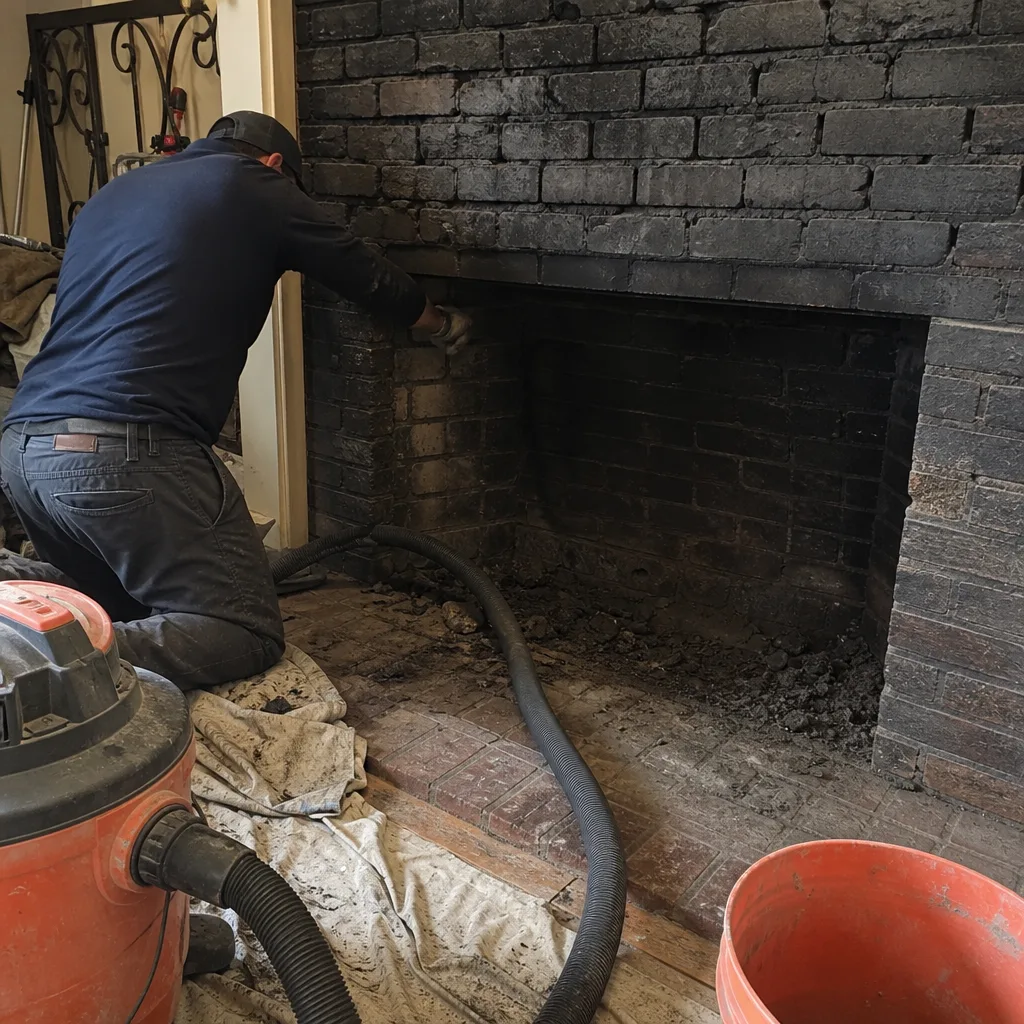
- Protection of the living space: Drop cloths and barriers around the fireplace opening so soot and debris don’t enter the home.
- Mechanical cleaning of the flue: The technician runs the appropriate brush or rotary system through the entire flue length, not just the first few feet visible from the firebox.
- Smoke chamber and damper cleaning: These areas collect a surprising amount of creosote and debris and are often skipped by rushed jobs.
- Cap and crown check: Looking for cracked crowns, missing caps, or debris accumulation on the top of the chimney.
- Camera inspection: A post-clean camera run through the flue to document what’s left and identify cracks, gaps, or deterioration that the brush can’t fix.
- Photo report: You should receive images of the inside of your flue, not just a verbal summary. If a technician recommends repair work, ask for the photo evidence. Legitimate findings come with visuals.
The camera step matters more than most homeowners realize. Without it, a sweep is working blind. With it, we can see whether the liner has cracked, whether the flue tiles are misaligned, and whether there’s a partial blockage that brushing alone won’t clear. We repair what we find, which is why the camera isn’t optional for us: it’s the evidence base for everything we recommend.
Why Professional-Grade Liner Products Matter for Older Stucco Homes
Many North Hollywood homes have clay tile chimney liners that are decades old. Tile liners crack from heat stress, from the settling that happens to any older structure, and from the sulfur compounds in wood smoke. Once cracked, a tile liner allows heat and gases to reach the chimney masonry and, in the worst case, the wood framing of the house. Replacing a cracked liner used to mean a full relining job, which is expensive and invasive. It’s still the right choice in some cases, but it’s no longer the only choice.
HeatShield is a ceramic restorative material that can repair cracked and deteriorated clay tile liners without a full teardown. The process involves cleaning the flue thoroughly, then applying a ceramic compound that fills gaps, seals cracks, and creates a smooth, insulated surface inside the existing liner. It’s a cost-sensitive repair option that many basic sweep companies can’t offer because they don’t stock the material or have the training to install it. When the flue is too far gone for a restorative approach, a DuraFlex flexible liner system is the professional-grade replacement. DuraFlex liners are made from stainless steel, designed for the high temperatures of wood-burning appliances, and are not available at consumer retailers. Sourcing from trade brands like these is the difference between a repair that lasts and a patch that fails.
You’ll also see Gelco caps and components on many professionally serviced North Hollywood chimneys. These are manufacturer-specified hardware items, not generic covers from a big-box store. A proper cap keeps out water, wildlife, and eucalyptus debris, and it’s one of the cheapest ways to prevent thousands of dollars in chimney damage.
How to Read a Chimney Sweep’s Report
A chimney cleaning report should not read like a vague warning letter. Legitimate findings are specific, measurable, and supported by images. Here’s how to separate documented findings from upsell theater:
- Documented finding: A photo showing a visible crack in the flue tile, a measurement of creosote thickness, or a video of a blockage. The report describes what was found, where it’s located, and why it matters.
- Upsell theater: A verbal warning about “dangerous conditions” without photos, or a recommendation for significant work without a camera having been run. Vague language like “your chimney needs attention” without specifics is not a finding.
A good report tells you what was found, what it means, what the options are, and what can safely wait. Not every cracked tile demands immediate replacement. A small crack in an outer tile may be monitored for years; a crack that allows heat to reach the chimney chase is different. If a chimney sweep cannot show you the image of the problem they’re quoting, get a second opinion before writing a check.
We put this standard on ourselves: nothing is recommended without camera evidence you can see for yourself. Your chimney is part of your home’s fire protection system, and the recommendation should be built on the same standard of proof you’d expect from any other contractor working on your house.
Common Mistakes to Avoid
- Assuming light use means no cleaning needed. In North Hollywood’s mild climate, infrequent burning creates glazed creosote that’s harder to remove, not easier. A yearly sweep is still the right baseline for most homes.
- Skipping the camera inspection because the sweep “looked fine.” The inside of a flue is not visible from the firebox or the roof. Without a camera run, you’re paying for a cleaning with no diagnostic value.
- Treating the chimney cap as decorative. An uncapped or poorly capped flue in the San Fernando Valley is an open invitation to roof rats, swifts, and eucalyptus debris. A proper Gelco cap is one of the highest-value chimney investments you can make.
- Ignoring the dryer vent as long as the chimney is clean. Dryer vent fires are a legitimate fire hazard and should be addressed with the same rigor as your chimney. Our dryer vent cleaning service is part of this same safety framework, not an afterthought.
- Accepting repair quotes without photo evidence. “Your liner is cracked” is not a finding. “Here is a camera image showing a 14-inch crack at the 8-foot mark” is a finding. Ask for the image.
- Waiting until November to schedule. Every North Hollywood chimney company gets backed up when the first cold snap hits. Booking in late summer or early fall gets you a cleaner chimney before the burning season starts and more scheduling flexibility.
When to Call a Professional
Call a professional chimney sweep when you notice any of these specific conditions: visible creosote buildup that looks shiny or glassy inside the firebox, a smell of smoke or soot in the house even when the fireplace isn’t in use, debris or nesting material visible from the rooftop, a cap that’s missing or damaged, or white staining on the exterior masonry that suggests water intrusion. Also call if you’ve never had a camera inspection done, if the home is new to you and came with an existing fireplace, or if you’ve just experienced a wildfire smoke event. Ashford Chimney Sweep offers free estimates in North Hollywood, and we bring a camera to every job so you see what we see. Call (833) 589-9860. We answer 24/7. Fast dispatch from 7am to 7pm, Sunday through Friday.
Frequently Asked Questions
A standard chimney sweep with a Level 1 inspection in North Hollywood typically costs between $180 and $340, depending on the condition of the flue, the height of the chimney, and whether wildlife debris or glazed creosote is present. The written estimate sets the final price. Call (833) 589-9860 for an exact quote; estimates are free.
Once a year is the right baseline for most North Hollywood homes, even if you use your fireplace only a handful of times each winter. Infrequent burning creates hard, glazed creosote that’s more difficult to remove than the fluffy kind heavy burners produce, so light use doesn’t mean you can skip years.
Ask for the camera image. A cracked clay tile liner is a real problem that needs documented evidence, and a legitimate sweep will show you the crack and explain where it is and what it means. If the liner has smaller cracks but is structurally sound, HeatShield ceramic restoration may be a lower-cost alternative to a full relining. If the flue is too far gone, a DuraFlex stainless liner may be the right answer. Either way, the recommendation should be based on photos, not a verbal warning.
Creosote and debris keep accumulating, the flue gets narrower, and the chimney drafts less efficiently, pushing smoke and carbon monoxide into the living space. In the worst case, a hot fire ignites the creosote and starts a flue fire. North Hollywood’s glazed creosote burns hot when it ignites, and it’s not a risk worth taking.
Some do, and some treat it as an afterthought. We include dryer vent cleaning as a core service because clothes dryers start thousands of house fires each year, and a clogged dryer vent is a fire hazard you can’t see from outside. The same camera-and-verify standard applies to both.
Schedule a Level 2 inspection with a camera scan. Wildfire smoke carries fine particulates and acidic compounds that settle inside the flue and can accelerate liner deterioration even if the fireplace wasn’t used. A Level 1 visual check won’t show you what a camera can.
The Bottom Line
North Hollywood’s mild climate creates a unique set of chimney conditions: glazed creosote from low-frequency burning, wildlife and eucalyptus intrusion in uncapped flues, and aging clay tile liners in stucco homes that need either restoration or replacement. A proper chimney cleaning is part of a system that includes inspection, camera documentation, and repair when the findings call for it. Don’t settle for a sweep that can’t show you the inside of your flue, and don’t wait until the first cold snap to get on the schedule. Ashford Chimney Sweep serves North Hollywood with a full-service approach: we clean, we inspect with cameras, and we repair what we find. Call (833) 589-9860 for a free estimate. We answer 24/7. Fast dispatch from 7am to 7pm, Sunday through Friday.
Written by the team at Ashford Chimney Sweep, serving North Hollywood since 2012.
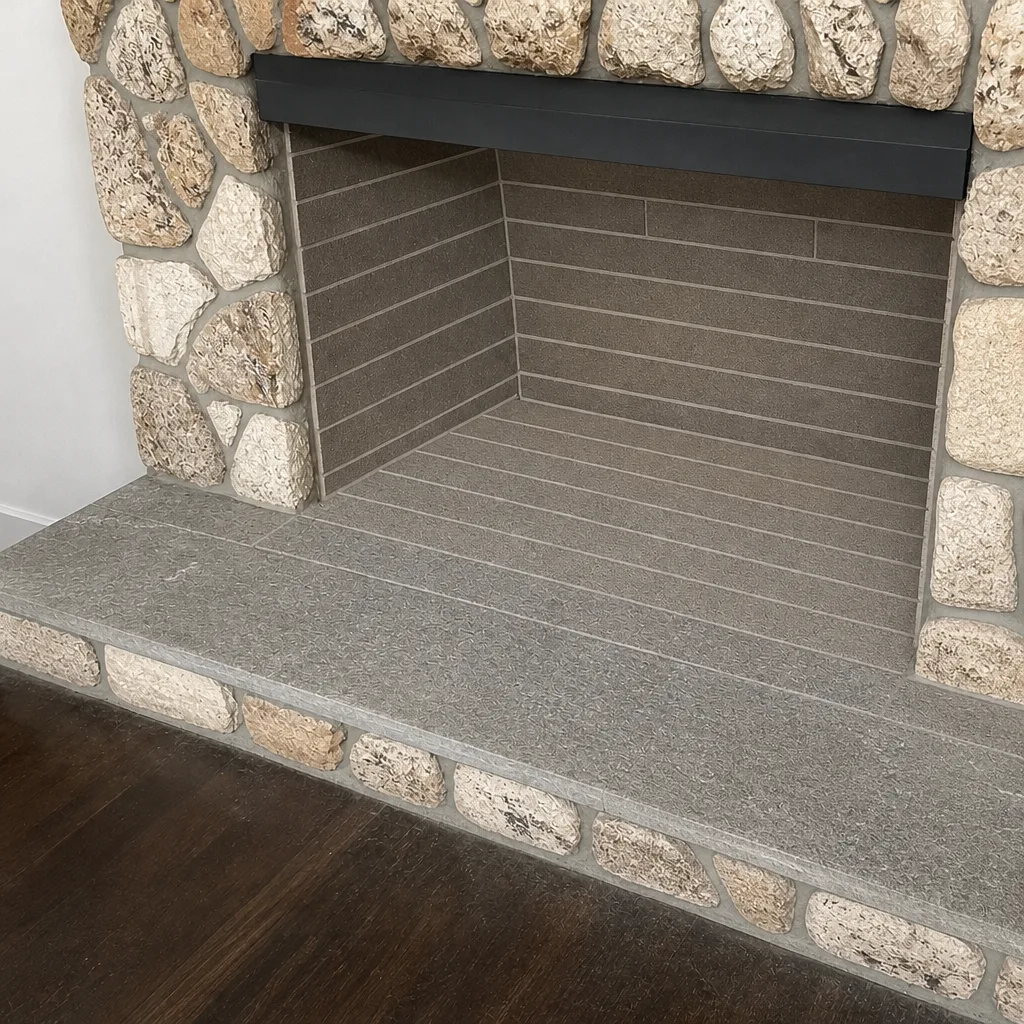
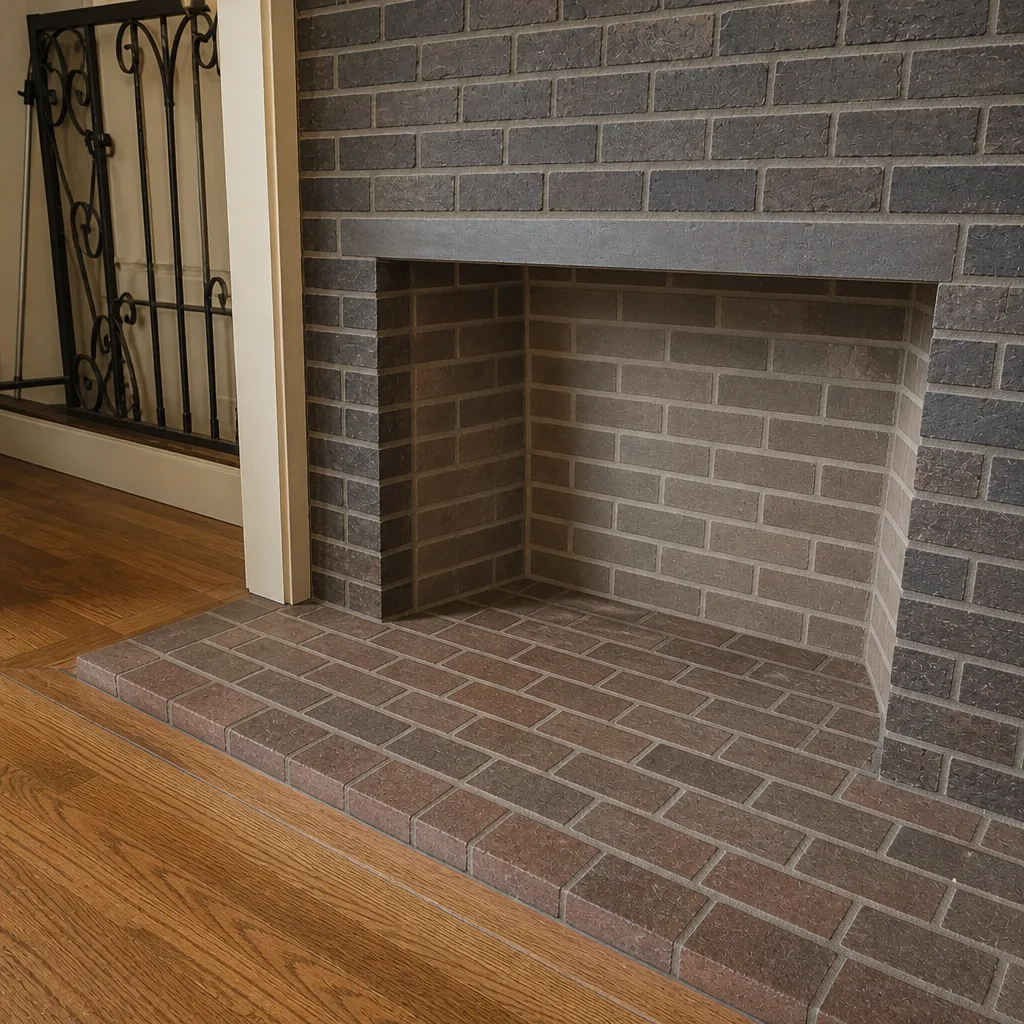
See the difference
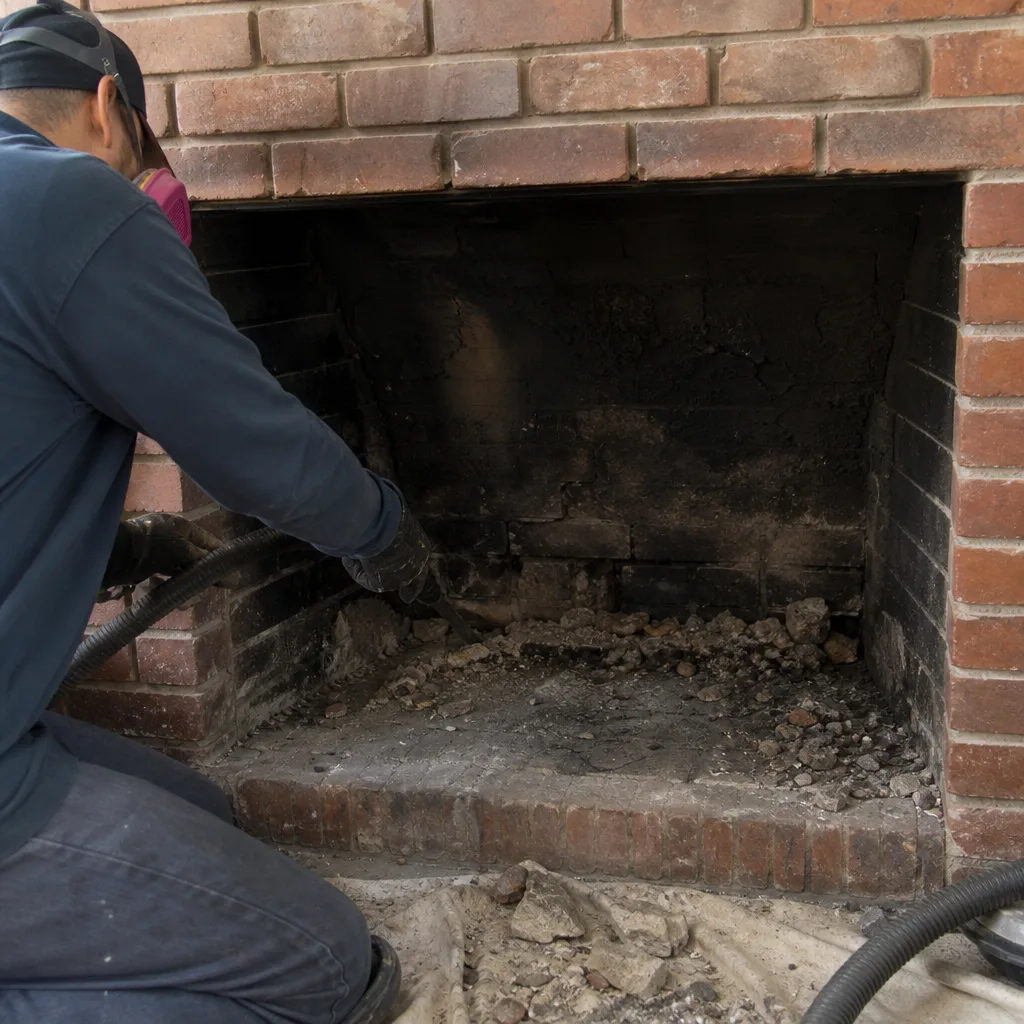 Before
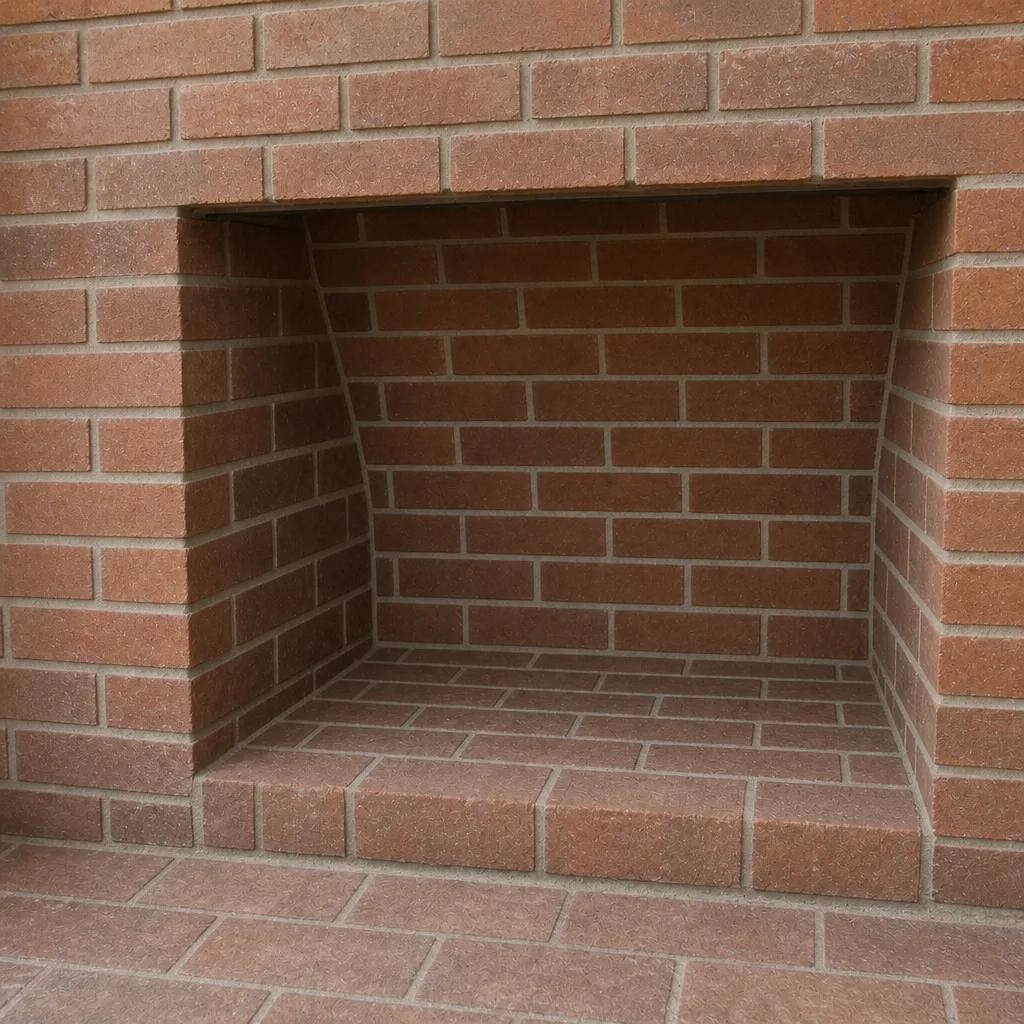 After
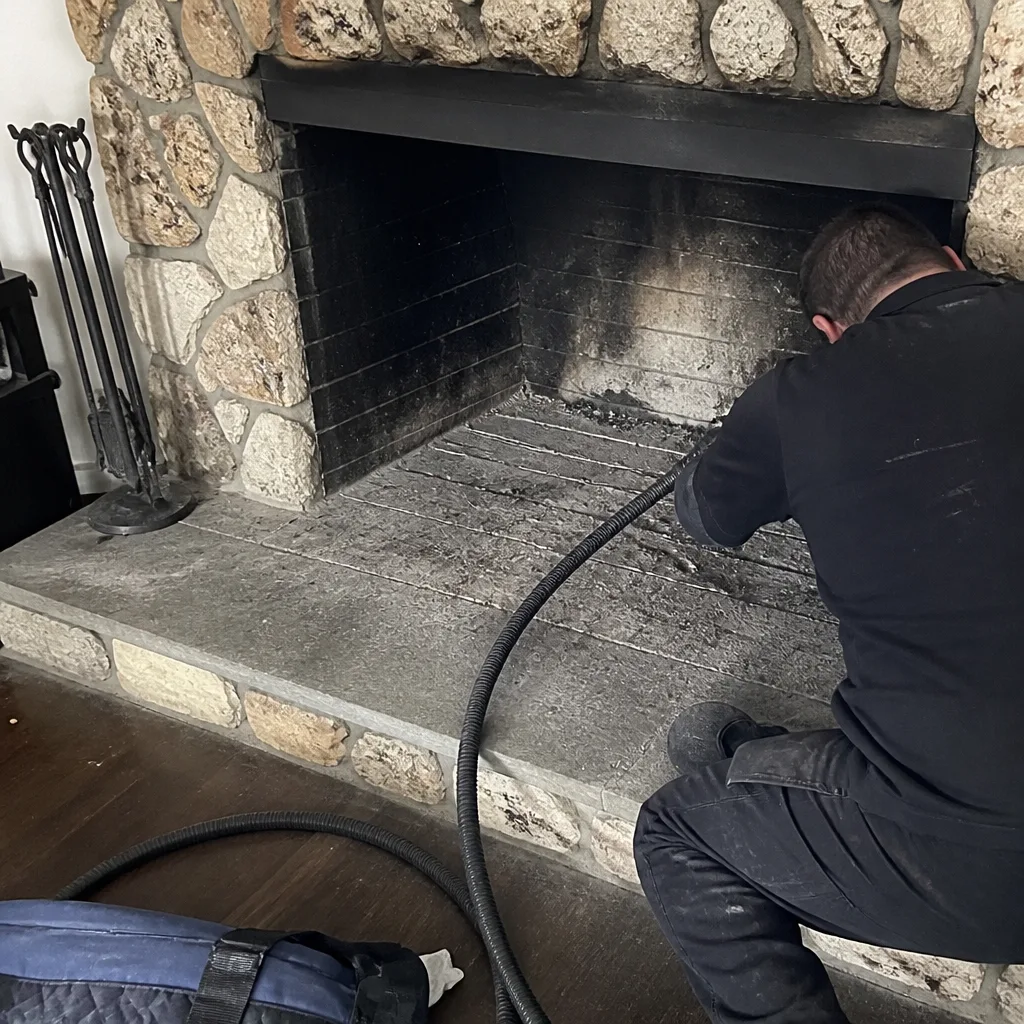 Before
 After
 Before
 After