
Last updated November 5, 2026
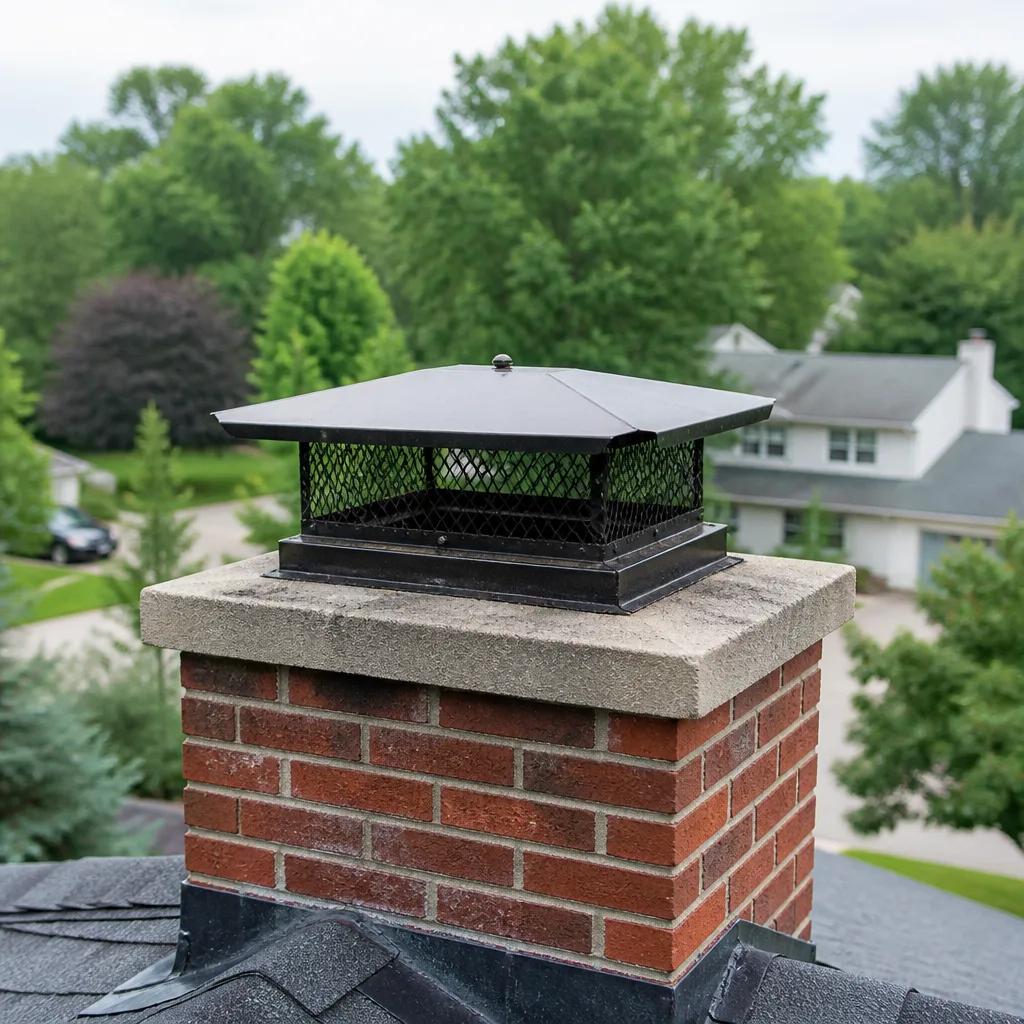 Sweep & inspection
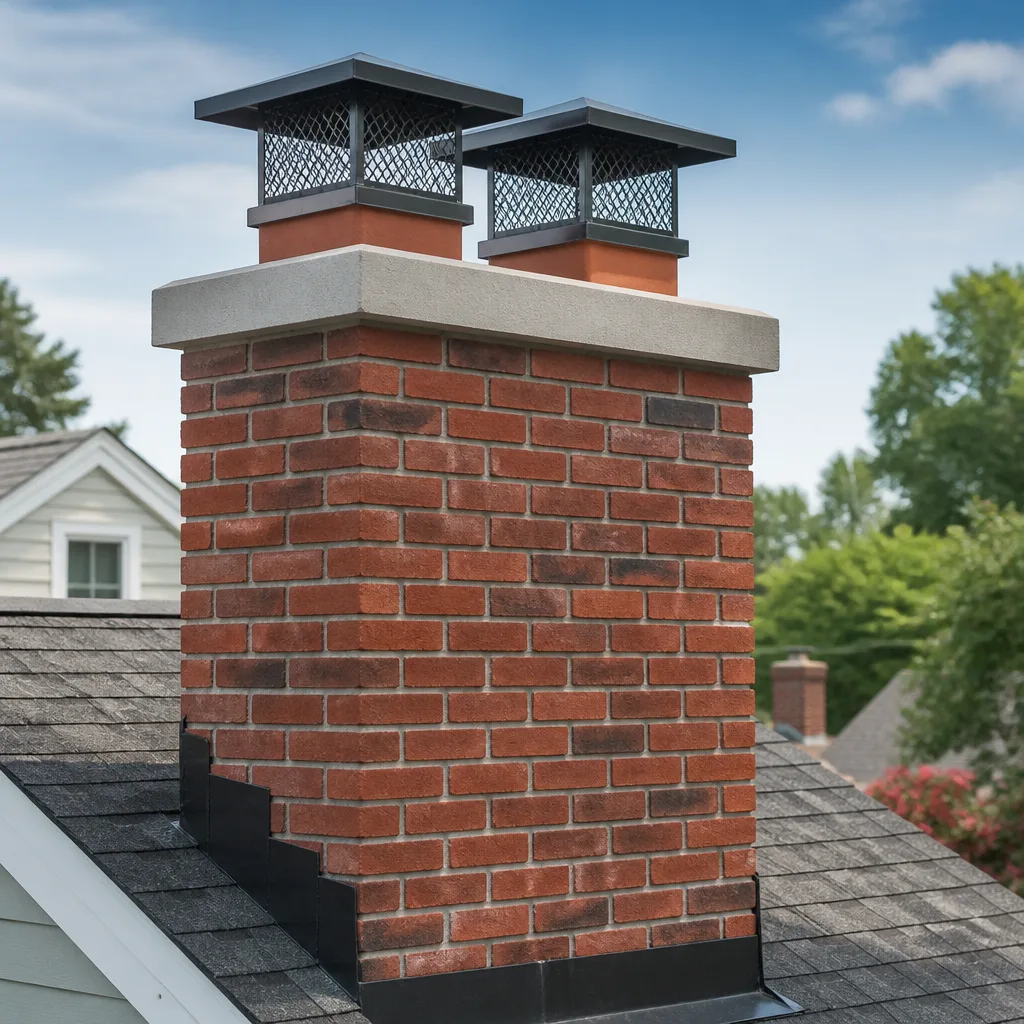 Caps & crowns
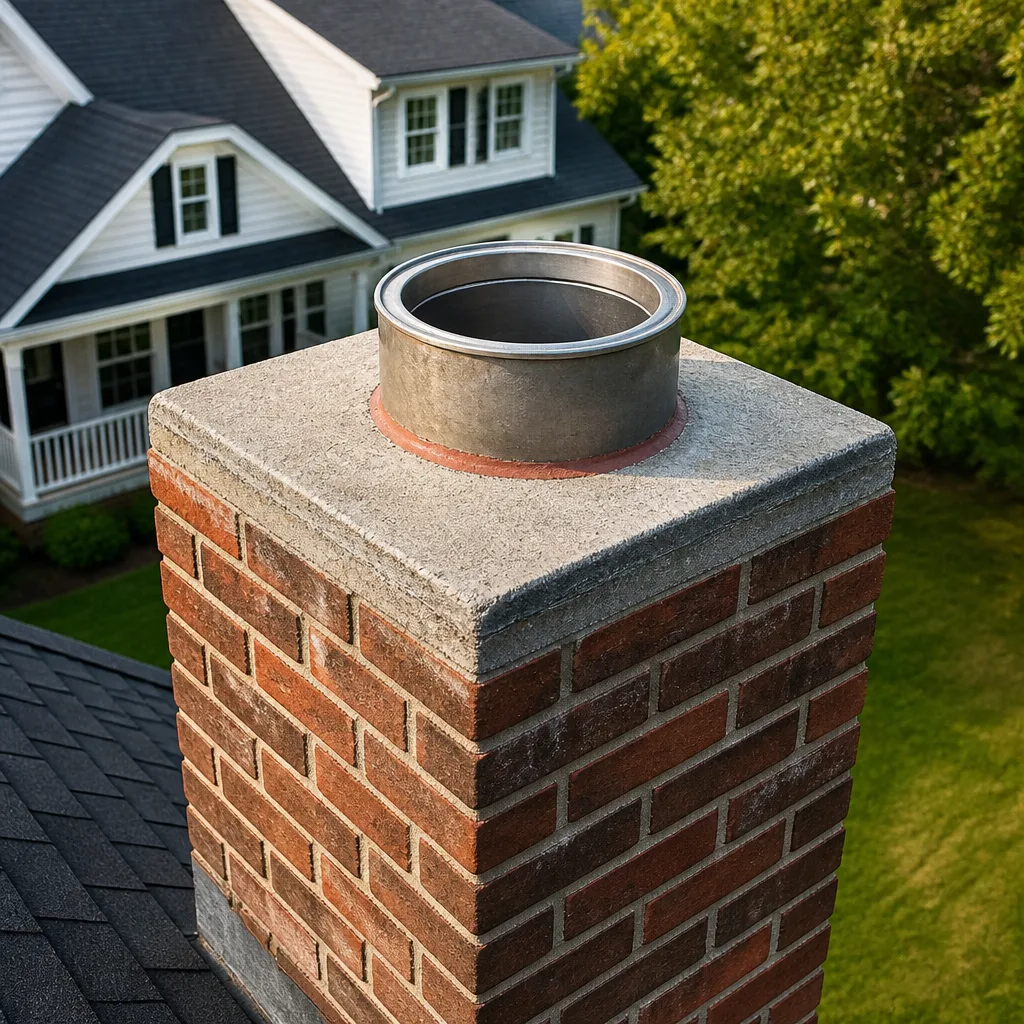 Flue relining
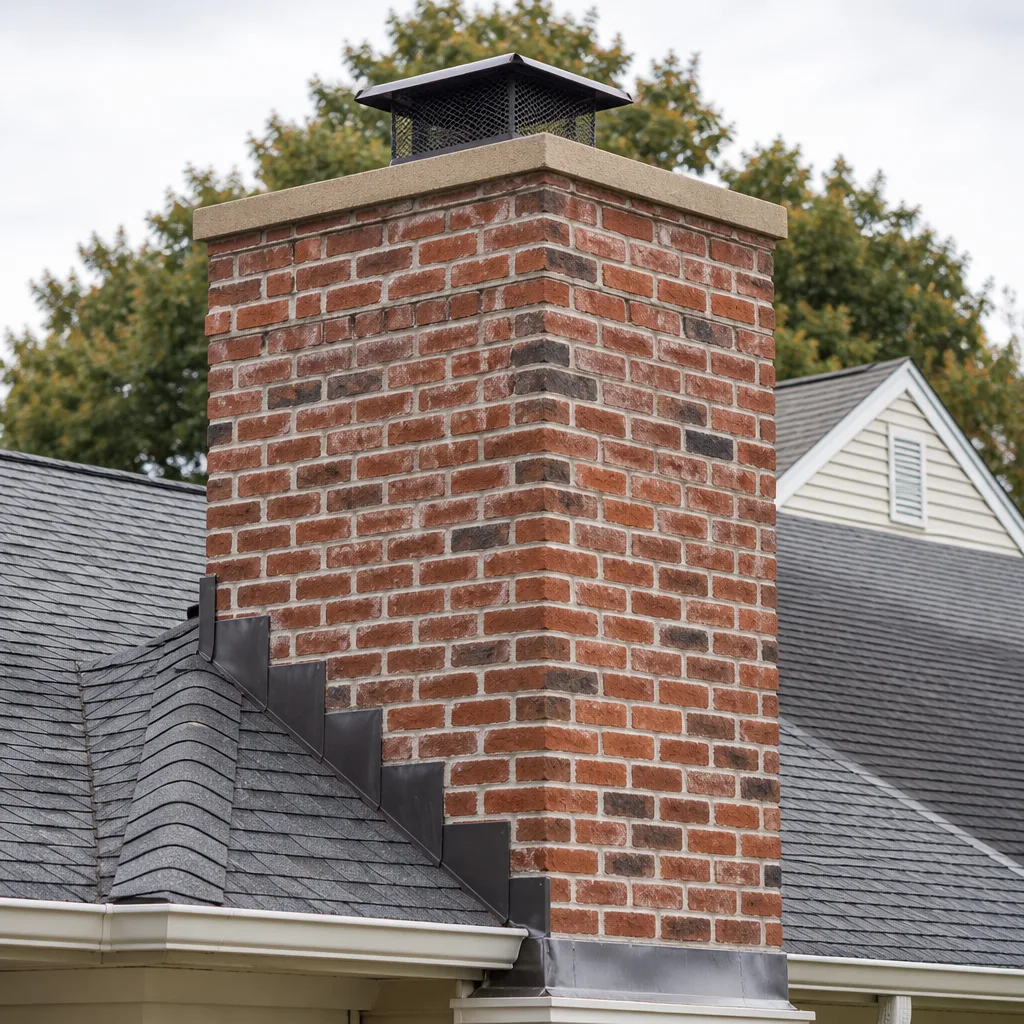 Masonry repair
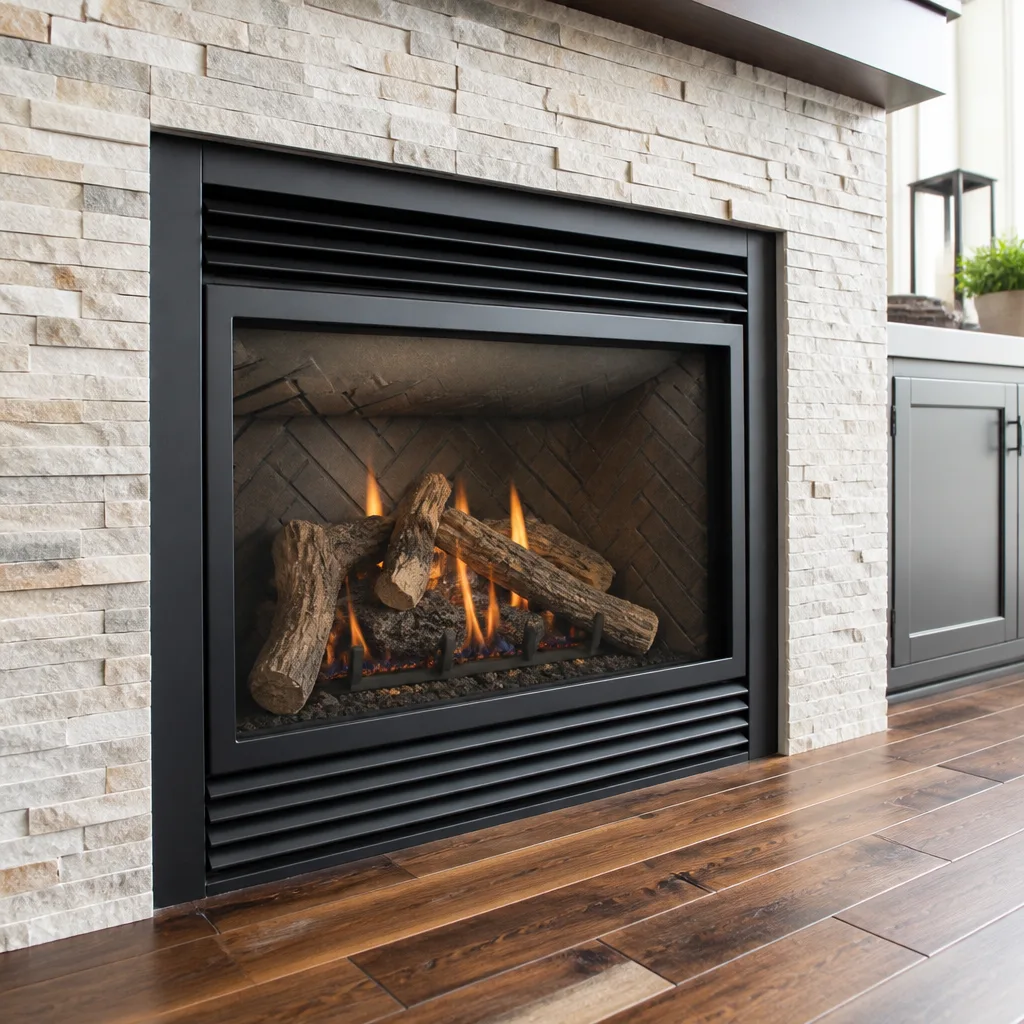 Gas fireplace service
Level 1 sweep and inspection to the NFPA 211 annual standard - flue, crown, cap, and flashing checked and photographed
Chimney sweep logs do not sweep chimneys. They loosen some creosote - which then falls where a brush and vacuum still have to collect it.
Chimney Cleaning Emergency Preparedness Guide for North Hollywood Homes
Most North Hollywood homeowners think of chimney emergencies as chimney fires, and those absolutely happen. But the more common emergency here follows a power outage or a moderate earthquake. A chimney that looked fine in July gets used for the first time in February during a blackout, and a small crack that nobody could see from the ground becomes a smoke intrusion problem or worse. This guide walks through the emergencies that actually occur in North Hollywood, how to respond, and what to check before you ever strike a match.
Quick Answer
Chimney emergency preparedness in North Hollywood means having a clean, inspected flue before fire season and knowing what to do when an earthquake, brush fire, or power outage changes how you use your fireplace. A chimney that has not been swept in the past year should be treated as unready for heavy use, and any chimney that has been through a moderate earthquake needs a Level 2 inspection before the first fire. Keep a CO detector within 15 feet of every sleeping area and a Class ABC fire extinguisher on the same floor as the fireplace.
Styles & brands we work with
- Sweep & inspection
- Caps & crowns
- Flue relining
- Masonry repair
- Gas fireplace service
Table of Contents
- Post-Earthquake Chimney Protocol for North Hollywood Homes
- Chimney Fire Response: The First 60 Seconds
- Using Your Fireplace During a Power Outage
- Wildfire Ember Intrusion and Your Chimney
- Baseline Preparedness Before Fire Season
- Common Mistakes to Avoid
- When to Call a Professional
- Frequently Asked Questions
Post-Earthquake Chimney Protocol for North Hollywood Homes
North Hollywood sits in seismic country, and most residents have felt enough shaking to know the basics of securing furniture and checking gas lines. What gets overlooked is the chimney. After a moderate earthquake, a chimney can look intact from the street and have a cracked flue tile or separated liner section that makes the first fire you light during a power outage genuinely dangerous. Masonry chimneys are rigid structures attached to flexible wood-framed houses. They move differently during shaking, and the mortar joints, flue tiles, and liner connections absorb stress that is invisible without a camera.
Here is the protocol we recommend after any earthquake you can feel inside your home:
- Do a visual check from the ground. Look for new cracks in the brick or stone, missing mortar, a shifted chimney cap, or any tilt in the chimney stack. Use binoculars if you have them. Do not climb onto the roof.
- Check the firebox and damper area. Shine a flashlight up the flue from inside the fireplace. Look for fallen debris, crumbled mortar, or a damper that no longer seats properly.
- Assume hidden damage exists. Most earthquake damage to chimneys is internal. Flue tiles crack, liner sections separate, and mortar joints loosen where you cannot see them.
- Hold off on the first fire. Until a professional has run a camera through the flue, treat the chimney as out of service. A cracked flue tile can allow heat and embers to reach combustible framing.
- Schedule a Level 2 inspection. This is the inspection standard for any chimney that has experienced a structural event like an earthquake. It includes a video scan of the interior flue, a check of the liner, cap, crown, and all accessible joints.
In our experience, most North Hollywood homes have chimneys that were built decades ago with clay tile liners. Those liners do not flex. When the house moves, they crack. A homeowner who skips the post-earthquake inspection and lights a fire on the first cold night after a quake is running an unnecessary risk. If the chimney needs work, we repair what we find rather than handing off a report and walking away. That includes chimney sweep service, liner repair, or a full relining with professional-grade materials.
Chimney Fire Response: The First 60 Seconds
A chimney fire sounds like a freight train or a low rumble coming from the flue, often accompanied by loud cracking or popping. You may see dense smoke, flames shooting from the top of the chimney, or intense heat radiating from the fireplace. The first minute matters more than anything else you do that night.
- Close the damper if you can safely reach it. This cuts off the air supply that feeds the fire. Do not reach into the firebox.
- Close the fireplace doors or glass screen. This contains the fire and reduces the amount of oxygen entering the firebox.
- Get everyone out of the house. Do not wait to see if it burns itself out. A chimney fire can spread to the attic or roof framing in minutes.
- Call 911 from outside. Even if the fire seems contained, the fire department needs to check for extension into the walls or attic.
- Do not use water on a chimney fire. Water on a hot flue can cause thermal shock, cracking the liner and making the situation worse. Leave extinguishment to the fire department.
Sometimes what homeowners call a chimney fire is actually a contained burn-off of creosote that produces flames and noise for a short period without spreading. But you cannot tell the difference from inside the house, and guessing wrong is not worth it. After any chimney fire, however small, the chimney must be inspected before it is used again. The intense heat can warp the damper, crack the liner, and damage mortar joints. Ashford Chimney Sweep provides free estimates in North Hollywood and can assess the damage with a camera inspection before recommending repairs. Call (833) 589-9860. We answer 24/7. Fast dispatch from 7am to 7pm, Sunday through Friday.
Using Your Fireplace During a Power Outage
Power outages in North Hollywood happen during heat waves, wind events, and public safety shutoffs. When the lights go out and the temperature drops, a fireplace that has not been used in months suddenly becomes the primary heat source. That is exactly when hidden problems show themselves.
The risk triage looks like this:
- If the chimney was swept and inspected within the past 12 months and no structural issues were noted, it is reasonable to use it during an outage. Build small, hot fires rather than large smoldering ones, and keep the damper fully open.
- If the chimney has not been serviced in over a year but has a cap in place and shows no visible damage, use it sparingly. Watch for smoke backing into the room, which signals a draft problem or a blockage. Stop using it immediately if you see smoke.
- If the chimney is uncapped or shows visible cracking, do not use it. An uncapped flue can harbor bird nests, debris, or damage you cannot see. A cracked structure is a fire risk waiting for airflow.
- If you smell gas from a gas fireplace or gas log set during an outage, do not use the fireplace. Leave the house and call the utility company first, then have the appliance checked before relighting.
One thing we always tell North Hollywood homeowners: the fireplace is not a substitute for a maintained heating system. If you plan to rely on it during outages, it needs the same annual attention you give your car or your water heater. A professional chimney sweep service removes creosote, checks the liner, and confirms that the flue drafts correctly. That last part matters during an outage. A flue that does not draft properly will push smoke and carbon monoxide into the living space, and with the power out, you may not have working CO detectors to warn you.
For gas fireplaces, the concerns are different but just as real. Gas logs produce less creosote than wood, but they can produce acidic condensation that eats at mortar joints and liners over time. A gas appliance that has not been serviced can also have a blocked vent or a failing thermocouple, neither of which you want to discover during an outage at night.
Wildfire Ember Intrusion and Your Chimney
Brush fire season is a fact of life in the hills around North Hollywood. The homes closest to the wildland-urban interface face direct flame exposure, and homes further into the valley face ember storms. Embers travel well ahead of a fire front, sometimes miles. They land on roofs, in gutters, and along the base of walls, but one entry point people rarely consider is the chimney itself.
An uncapped or damaged chimney lets embers drop directly into the flue. From there, an ember can settle on creosote deposits inside the flue and start a chimney fire, or it can fall through the damper into the firebox and ignite whatever is nearby. Even with a cap, small gaps around the cap or a missing spark arrestor screen give embers a path in.
The basic defense is straightforward. A properly fitted chimney cap with intact spark arrestor mesh does most of the work. The cap keeps embers, rain, birds, and debris out of the flue. Gelco makes cap and venting components that hold up to the heat and weather conditions in this region, and we install them as part of chimney repair work. A cap alone does not solve the creosote problem, though. Embers that find their way past a screen still need fuel. A clean flue with minimal creosote is a poor environment for ignition, which is why annual sweeping matters just as much during fire season as it does during winter.
If you live in a North Hollywood neighborhood that borders the brush, your chimney deserves the same fire-hardening attention as your defensible space and your roof. That includes checking the spark arrestor every year, replacing a cap that has rusted through or pulled loose, and getting the flue swept before the Santa Ana winds start. We source our components from Olympia Chimney, one of the most recognized professional chimney supply distributors in the trade, so the hardware is contractor-specified, not a big-box substitute.
Baseline Preparedness Before Fire Season
Preparedness is not complicated, but it has to happen before the emergency. What you have on hand matters as much as the condition of the chimney itself.
Carbon monoxide detectors
Place a CO detector within 15 feet of every sleeping area and one on every level of the home. Test them monthly and replace batteries twice a year. During a power outage, battery-powered or hardwired-with-battery-backup detectors are the only ones watching for carbon monoxide while you run the fireplace. A blocked or poorly drafting chimney in a closed-up house during an outage is exactly the scenario that produces CO poisoning. The gas is odorless and colorless, and by the time symptoms appear, judgment is already impaired.
Fire extinguisher
Keep a Class ABC fire extinguisher on the same floor as the fireplace, mounted where you can reach it quickly. Class A covers wood and paper, Class B covers flammable liquids, and Class C covers electrical. A fireplace fire or a small fire that spreads from the firebox involves Class A materials first. Check the pressure gauge seasonally and replace the unit if it has been discharged or is past its printed service life.
Chimney cap
A cap is the cheapest major upgrade you can make to a chimney system. It keeps out rain, animals, debris, and drifting embers. If you can look up from the ground and see no cap, or a cap with missing mesh, the flue is exposed. A cap that has pulled loose can also allow water to get between the cap and the crown, slowly damaging the mortar below. We recommend checking the cap as part of a seasonal walk-around, using binoculars if you cannot see it well from the ground.
Annual sweep and inspection
The single most consequential preparedness action is a yearly chimney sweep and inspection. The sweep removes the creosote that fuels chimney fires, and the inspection catches the structural issues that become emergencies later. Ashford Chimney Sweep handles both in the same visit. We also inspect and clean dryer vents as a separate fire-safety service. Dryer vent fires are a real risk in North Hollywood homes, and the lint that builds up inside the vent is just as combustible as creosote. Our dryer vent cleaning service treats the vent with the same rigor we treat a chimney, because a clogged dryer vent is a house fire waiting for the next laundry cycle.
Common Mistakes to Avoid
- Skipping the post-earthquake inspection. A chimney that survives a shake can still have hidden damage, and the first cold night is the wrong time to discover it. A Level 2 inspection is cheap insurance compared to a flue repair.
- Using the fireplace during a power outage when it has not been serviced recently. The outage is the emergency, and the chimney becomes the backup heater. If it has not been swept, the creosote load makes a chimney fire more likely at exactly the moment you need heat most.
- Ignoring a missing or damaged chimney cap. An uncapped flue invites birds, debris, and embers. The cap is the first and simplest line of defense against wildfire ember intrusion.
- Treating a small chimney fire as no big deal. Even a contained burn-off can warp a damper or crack a liner. No chimney fire is minor enough to skip an inspection afterward.
- Relying on a gas fireplace without annual service. Gas appliances still vent combustion byproducts through the chimney, and they still develop blockages, corrosion, and component failures. Gas logs do not mean no maintenance.
- Putting the CO detector in the hallway outside the kitchen. Heat and cooking byproducts cause false alarms in that location. Sleeping areas and each level of the home are what matter.
When to Call a Professional
Some situations demand a professional rather than a wait-and-see approach. If you see smoke backing into the room from the fireplace, hear a rumble from the flue, or find pieces of flue tile in the firebox, stop using the chimney and call for an inspection. If you have had an earthquake that you could feel in the house, schedule a Level 2 inspection before the next fire. If you see water stains on the ceiling near the chimney, the flashing or crown may have failed and water is getting into the structure. If you smell something acrid or musty coming from the fireplace in summer, you may have a blocked flue or an animal in the chimney. All of these are signs that the system needs a professional look. Ashford Chimney Sweep offers free estimates in North Hollywood – call (833) 589-9860. We answer 24/7. Fast dispatch from 7am to 7pm, Sunday through Friday.
Frequently Asked Questions
Once a year is the right schedule for most North Hollywood homes that burn wood, whether the fireplace gets daily winter use or occasional fires. The creosote that builds up is a function of burn temperature and wood type, not frequency alone, and even light use puts deposits on the flue wall. Gas fireplaces can go every two to three years, but they still need an annual visual check for vent blockages and component wear.
Keep a Class ABC extinguisher on the same floor as the fireplace. The A rating covers wood and paper fires, B covers flammable liquids, and C covers electrical. A standard household unit rated 2A:10B:C is adequate for most homes. Check the gauge monthly and replace the unit if the needle is not in the green.
Place one CO detector within 15 feet of every sleeping area and one on each level of the home. If you use the fireplace during a power outage, the detectors are the only thing standing between a blocked flue and carbon monoxide poisoning. Battery-backed units that continue working without wall power are the right choice for outage-prone North Hollywood neighborhoods.
You can, but only if the chimney has a cap, shows no visible damage, and you keep fires small and hot. Smoke backing into the room is a sign to stop immediately. If the chimney has not been serviced in years, do not use it as an outage heat source unless you have no other option, and keep a window cracked so combustion air can enter the home.
A Level 2 inspection includes a video camera scan of the entire flue interior, a visual check of the cap, crown, flashing, and firebox, and an assessment of the liner and mortar joints. It is the required standard after an earthquake, a chimney fire, a significant weather event, or a change in the chimney system, such as a new liner or appliance.
Not every damaged liner requires a full relining. HeatShield ceramic restorative, the industry standard for chimney liner restoration, can repair cracked flue tiles by coating the damaged sections with a ceramic material that restores structural integrity without tearing out the old liner. The process works when the damage is localized, and it costs less than a full reline. A camera inspection tells us whether restoration is viable or whether replacement with a DuraFlex liner is the safer fix. Call (833) 589-9860 for an exact quote – estimates are free.
The Bottom Line
Emergency preparedness for North Hollywood chimneys comes down to three things: a clean flue, an intact cap, and a working understanding of what to do when an earthquake or power outage changes how you use your fireplace. The chimney system is more than the firebox. It is the liner, the cap, the crown, and the venting that carries combustion byproducts out of your home. When any part of that system is compromised, the margin for error shrinks quickly. An annual sweep and inspection, a CO detector outside every sleeping room, and a no-fire rule after any seismic event will keep a chimney emergency from becoming a house fire. Ashford Chimney Sweep handles sweeping, repair, liner restoration with HeatShield, cap installation with Gelco and Famco components, and dryer vent cleaning as a separate fire-safety service. When something is wrong, we repair what we find.
Written by the team at Ashford Chimney Sweep, serving North Hollywood since 2012.
See the difference
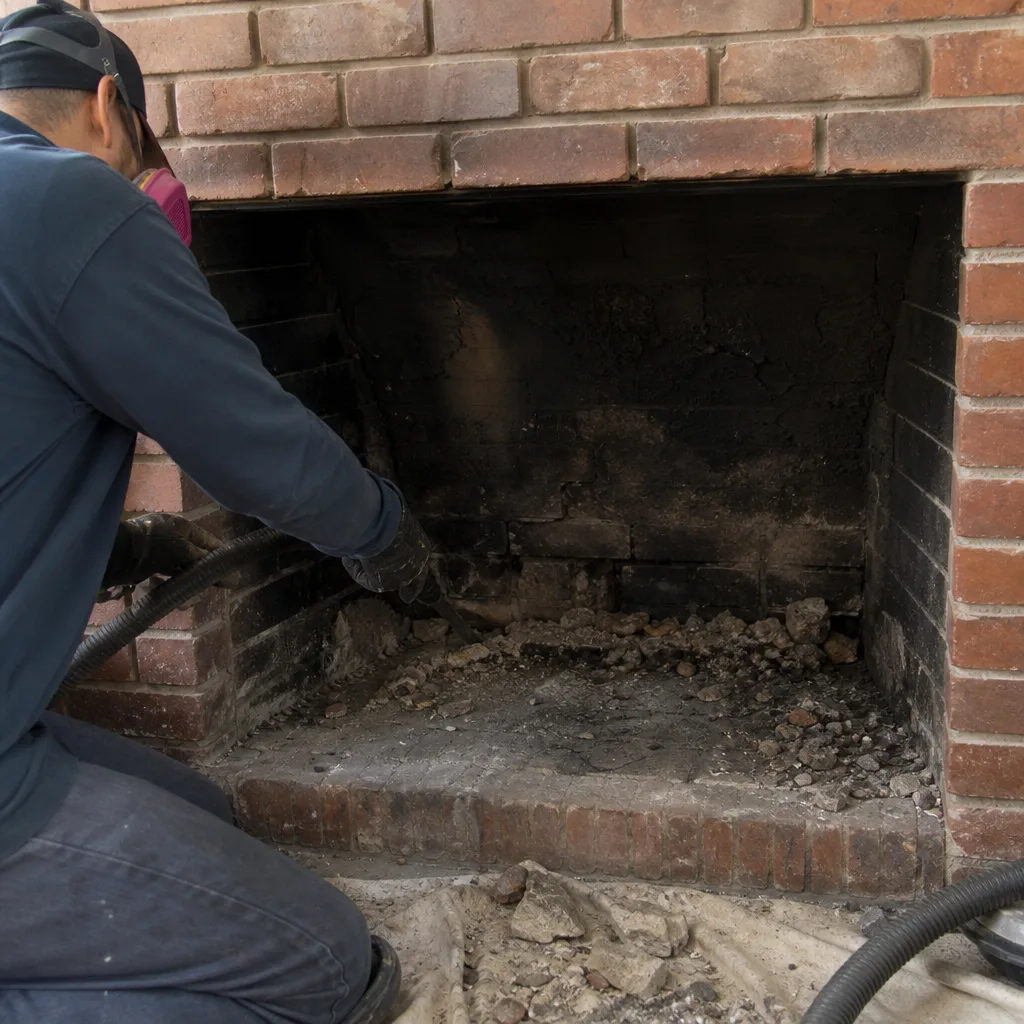 Before
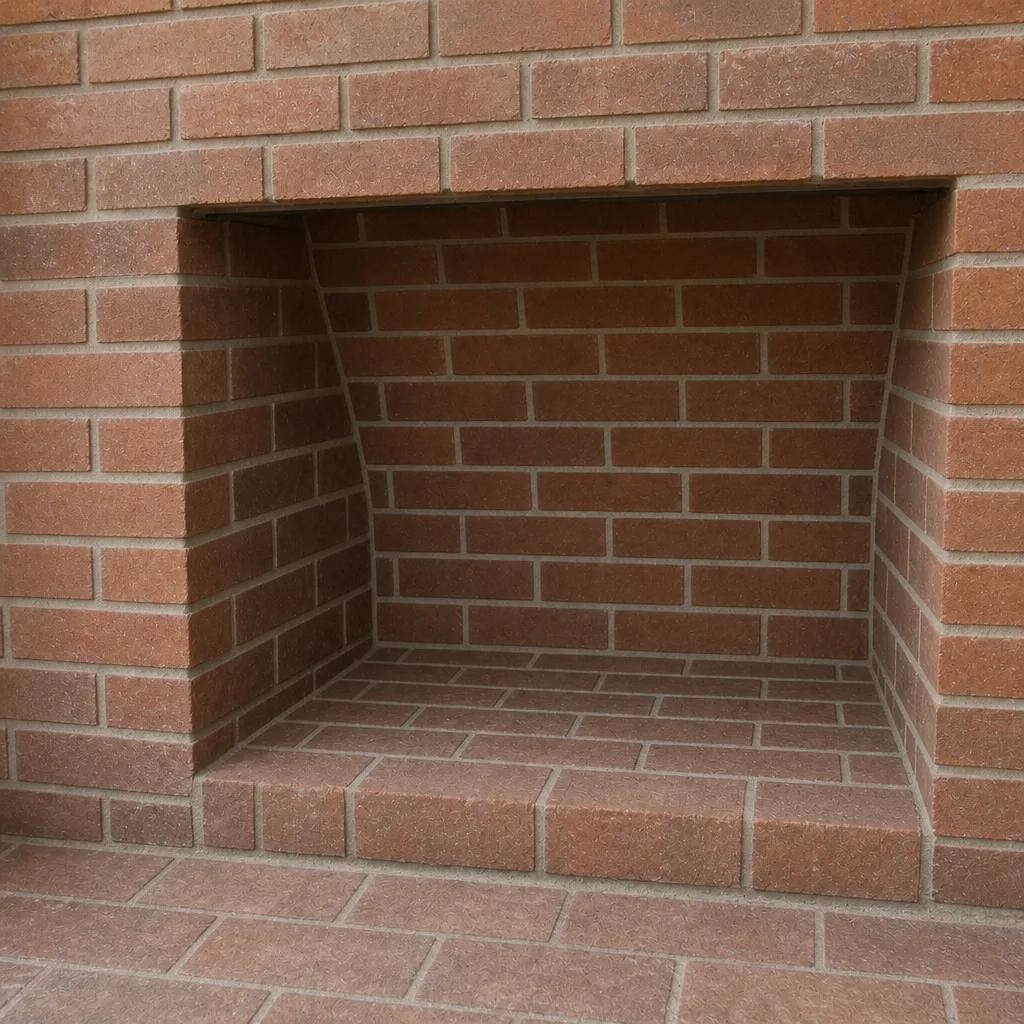 After
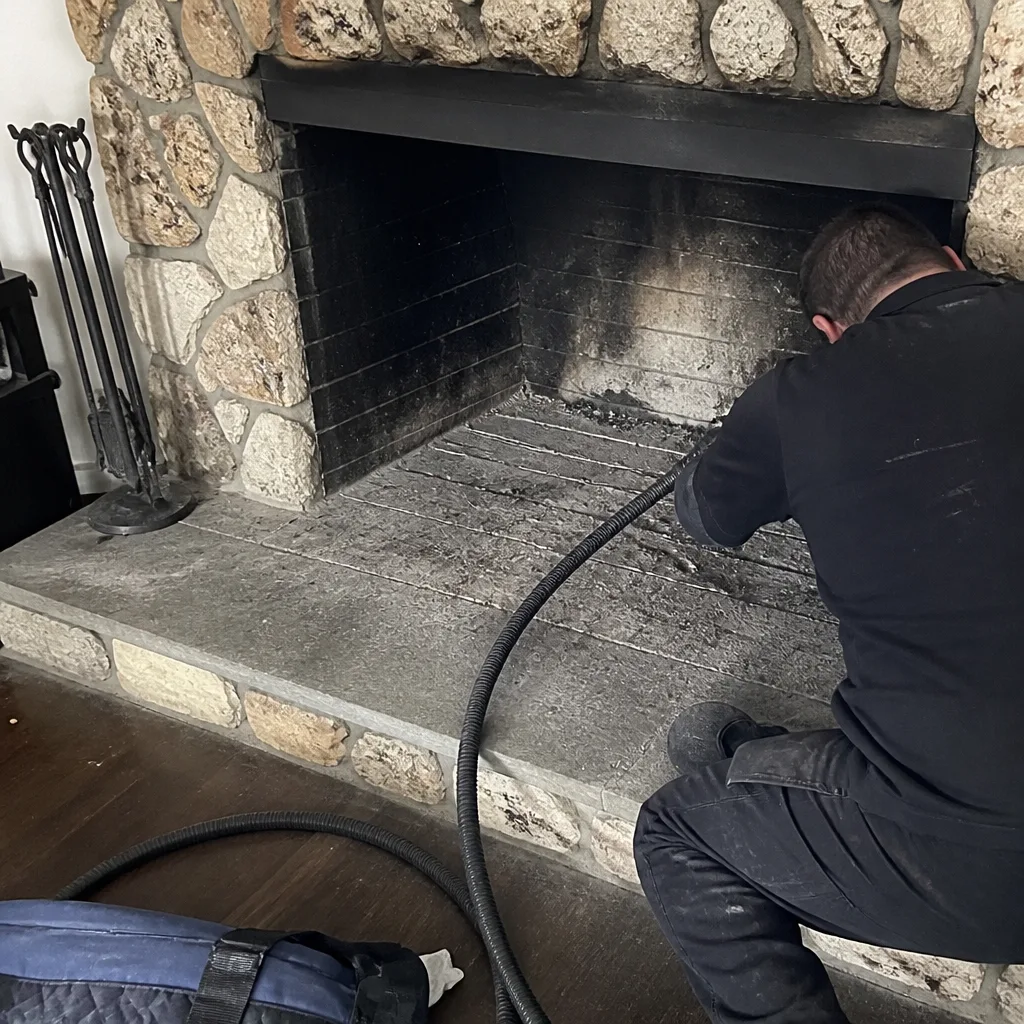 Before
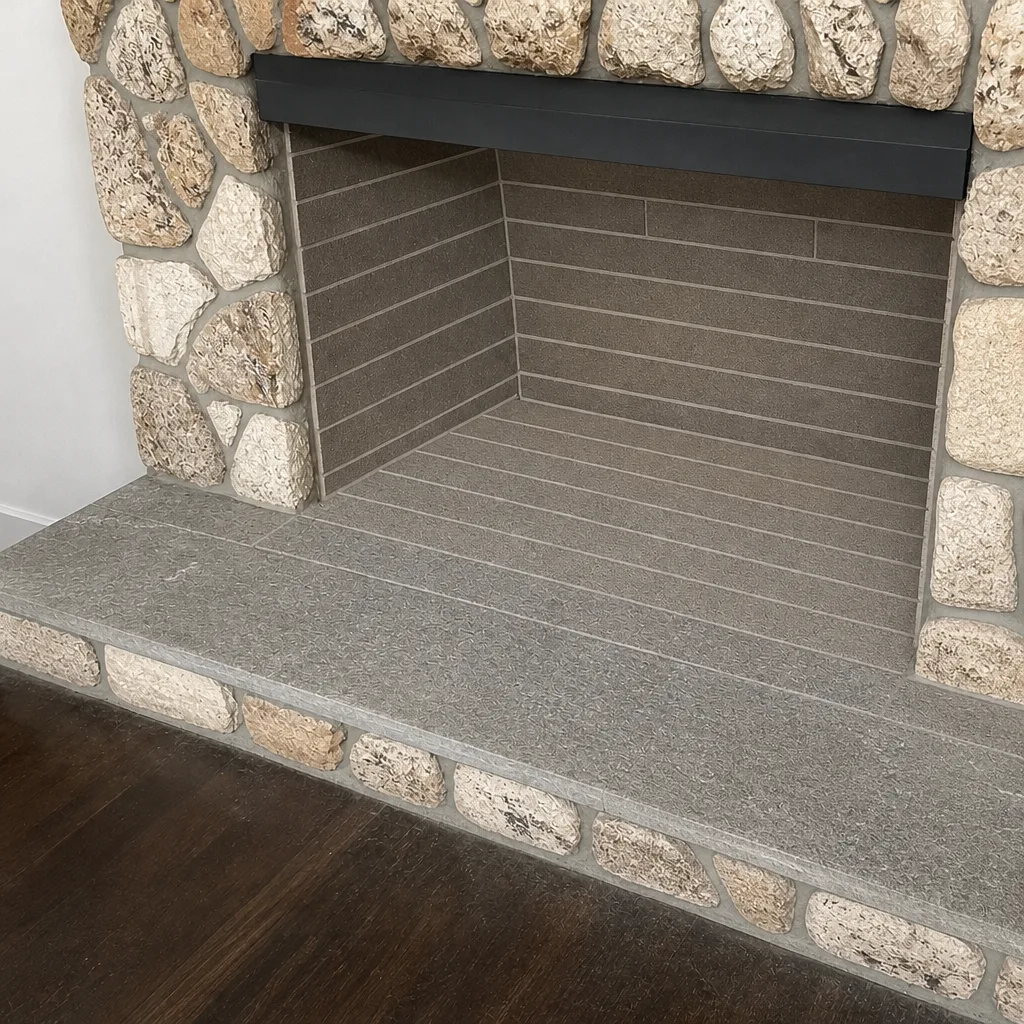 After
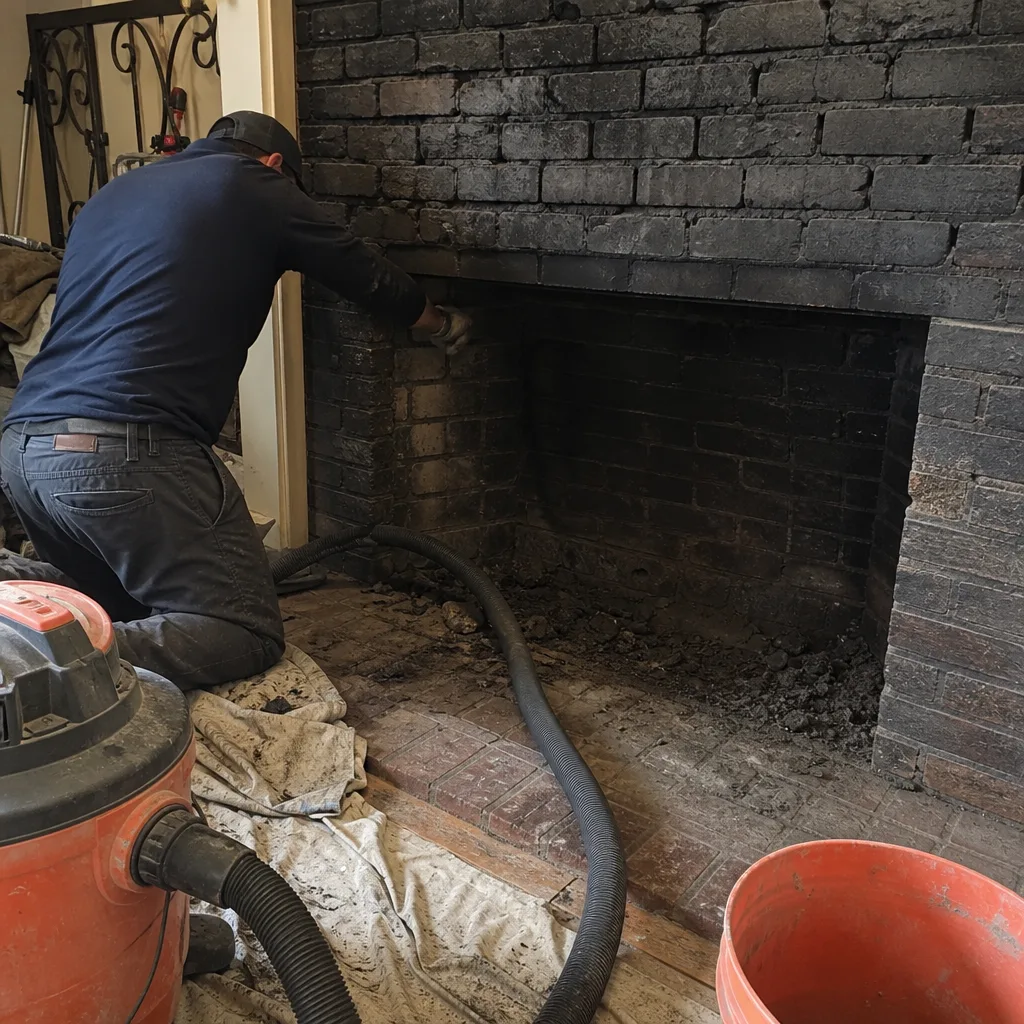 Before
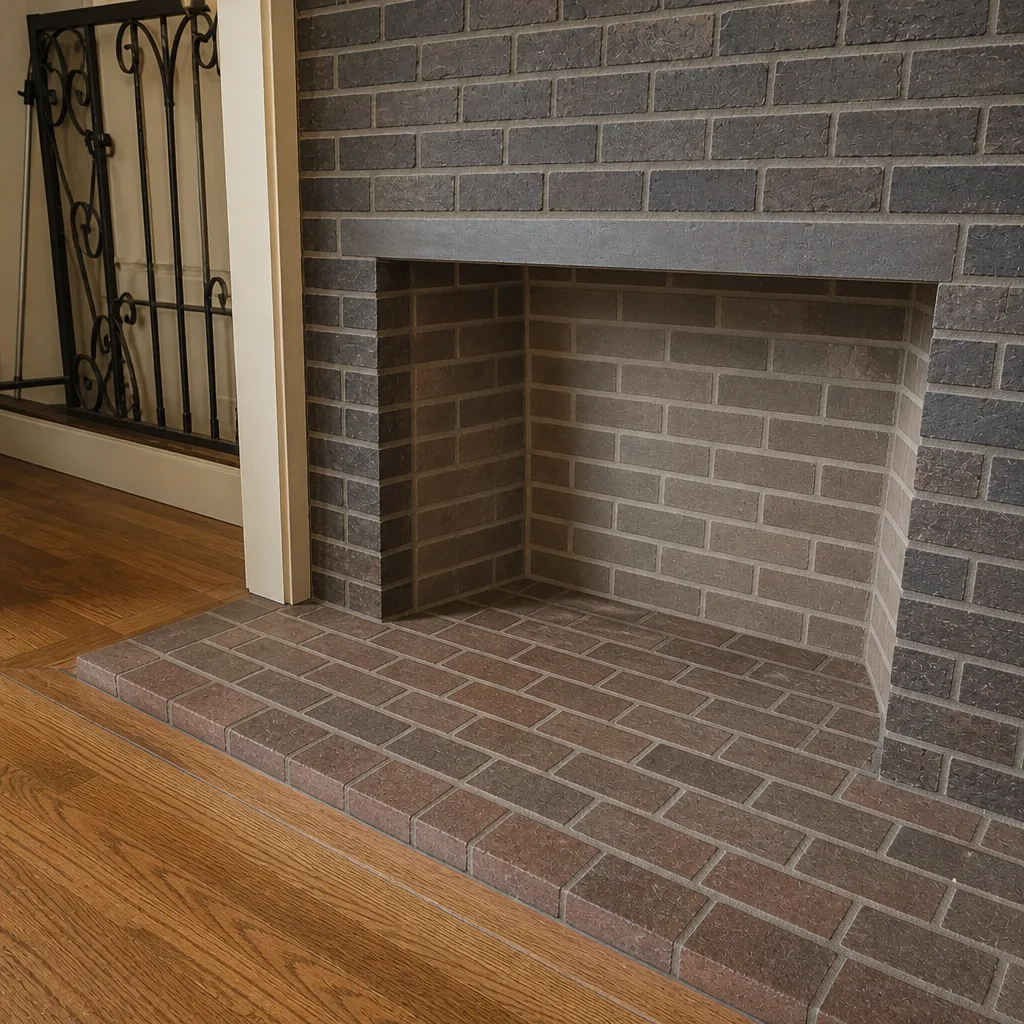 After