
Last updated November 5, 2026
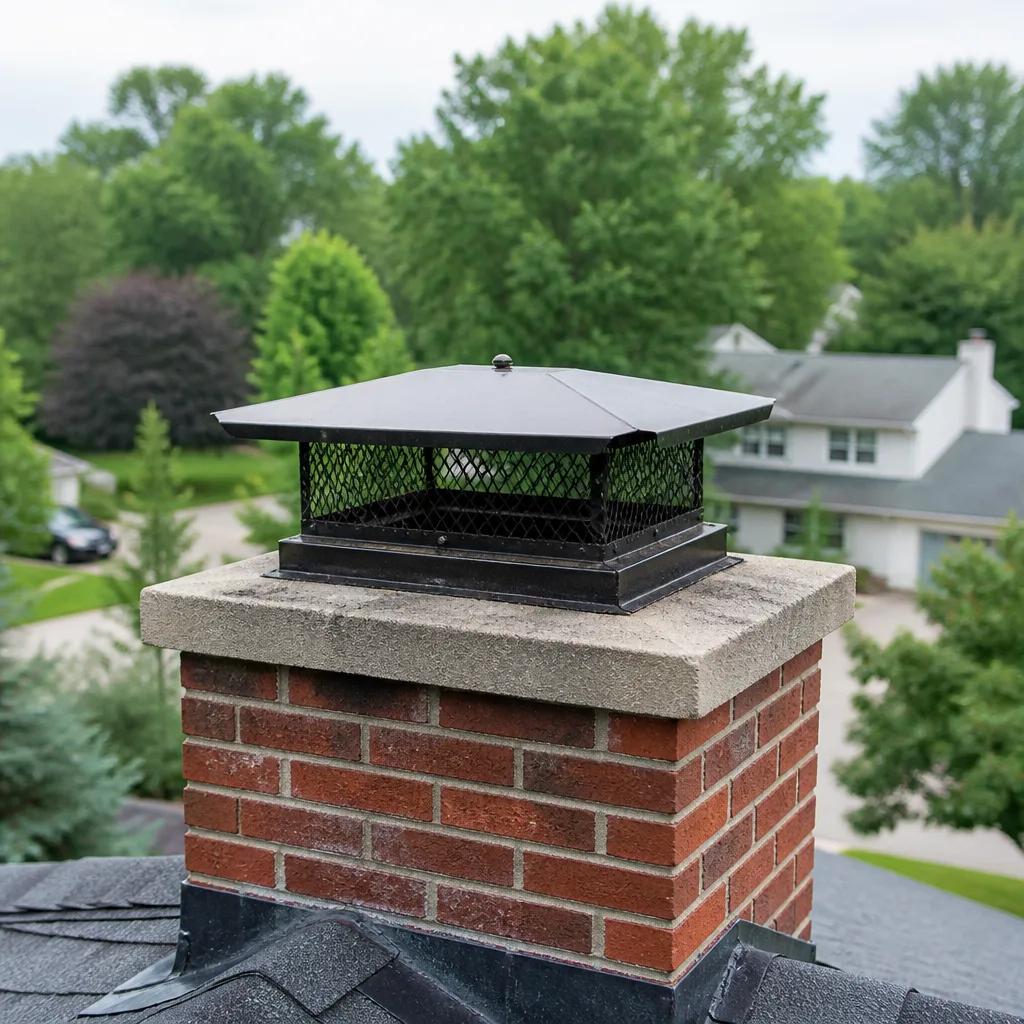 Sweep & inspection
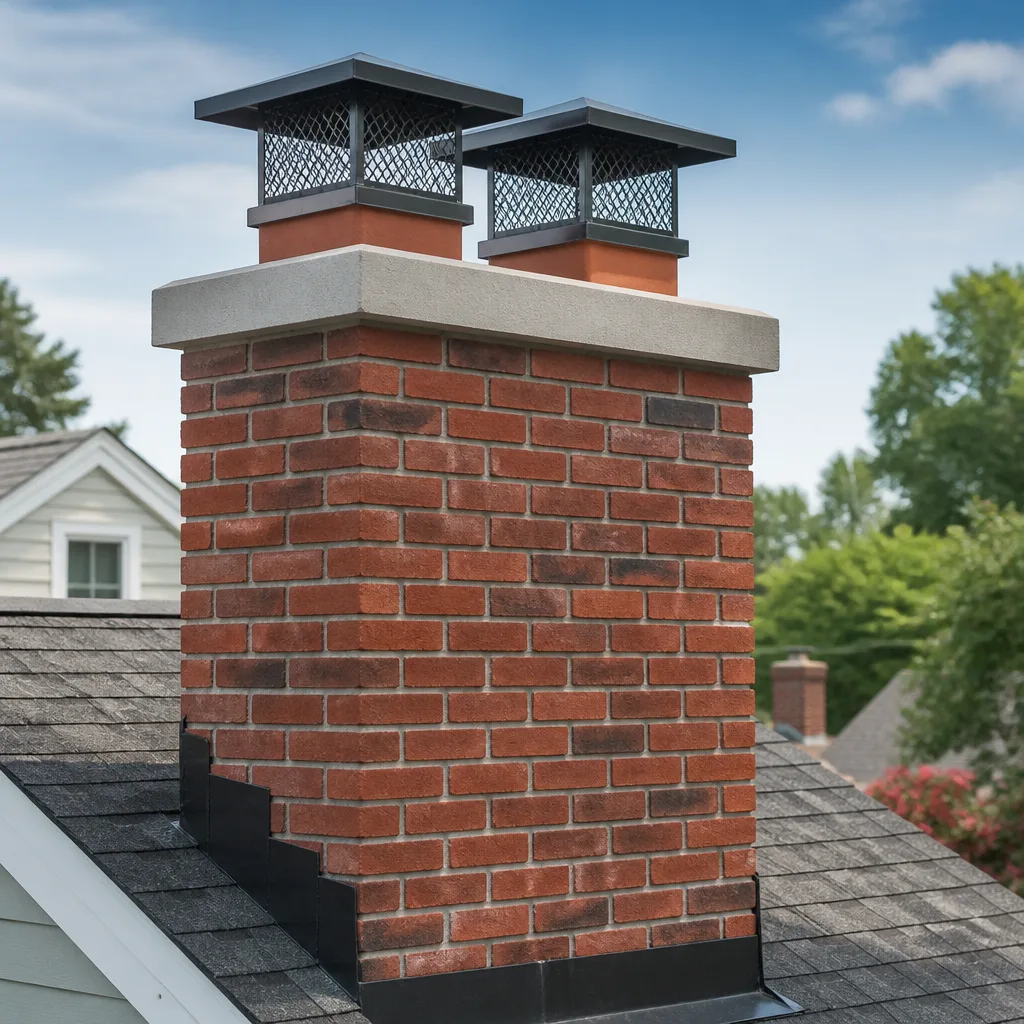 Caps & crowns
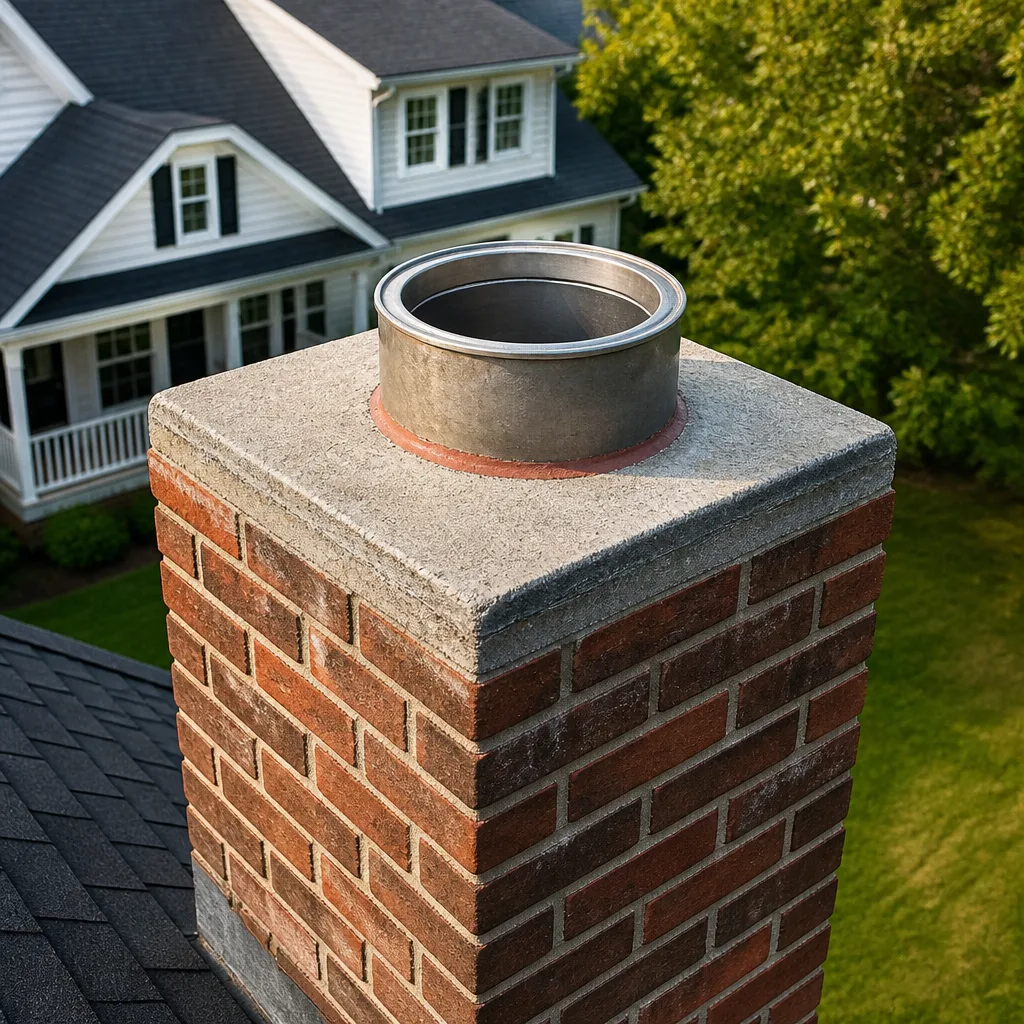 Flue relining
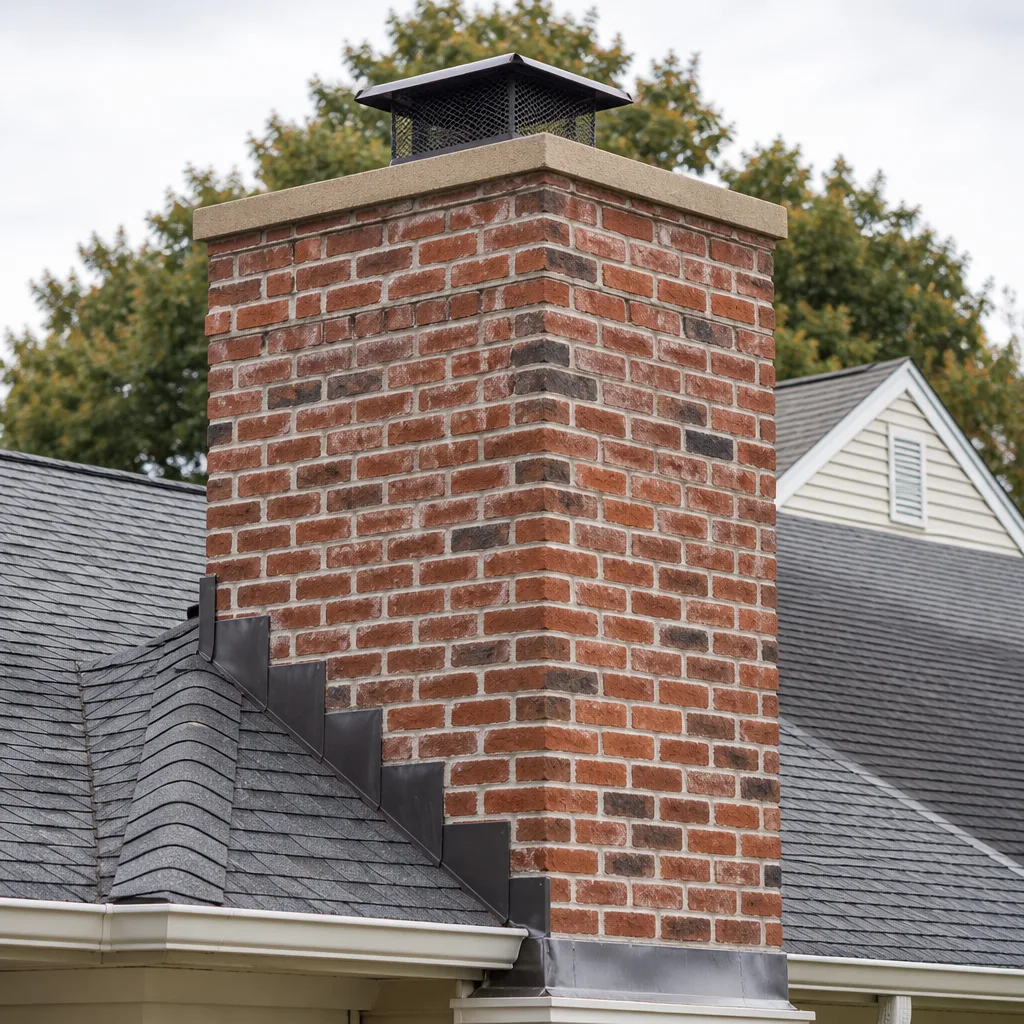 Masonry repair
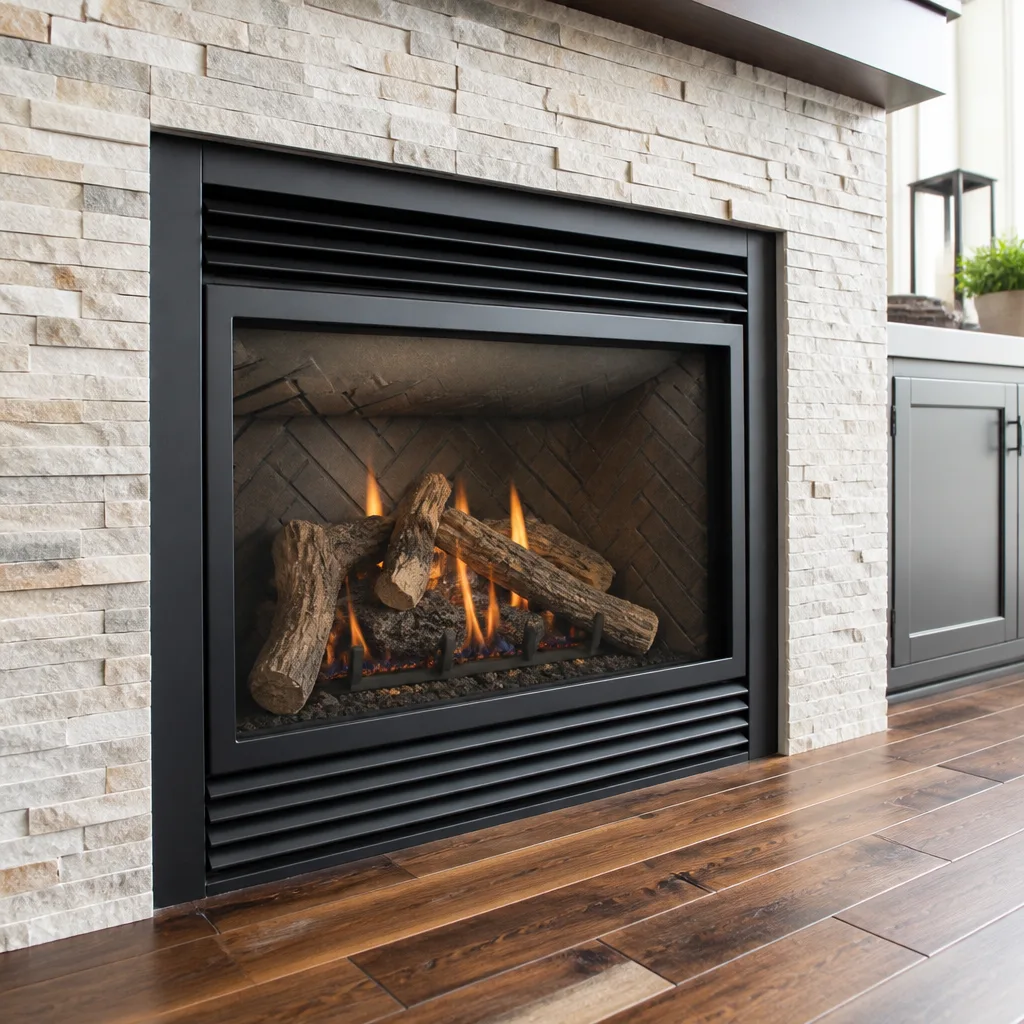 Gas fireplace service
Level 1 sweep and inspection to the NFPA 211 annual standard - flue, crown, cap, and flashing checked and photographed
Chimney sweep logs do not sweep chimneys. They loosen some creosote - which then falls where a brush and vacuum still have to collect it.
Chimney Sweep Maintenance Checklist for North Hollywood Homeowners
Most chimney checklists you’ll find online were written for places with real winters, where the flue gets hot for months and creosote builds up in predictable layers. North Hollywood doesn’t work that way. Our chimneys sit dormant through long stretches of the year, then get asked to perform during exactly the weather conditions that punish neglected flues most: dry Santa Ana winds, low humidity, and the first cold evening when everyone in the neighborhood lights a fire on the same night. This guide is a maintenance checklist built around how chimneys actually fail here, so you can catch problems before the season does.
Quick Answer
A North Hollywood chimney maintenance checklist should include a pre-burn visual inspection of the firebox and smoke chamber, a check for pest intrusion and debris at the flue, an assessment of creosote and ash buildup from the previous season, a roofline check for cap and crown damage, and a professional chimney sweep and Level 1 inspection before the first fire of the year. The key local trigger is the Santa Ana wind season: high winds can drive ash, embers, and debris into your flue, and burning during or right after a wind event without checking the flue first is a risk most generic checklists never address.
Styles & brands we work with
- Sweep & inspection
- Caps & crowns
- Flue relining
- Masonry repair
- Gas fireplace service
Table of Contents
- Why a North Hollywood Chimney Needs a Different Checklist
- The Pre-Season Checklist: Eight Steps Before Your First Fire
- The Santa Ana Wind Protocol: When to Cap, Inspect, and Hold Off
- Pest Intrusion: What Moves In While the Chimney Sleeps
- What to Physically Check at the Firebox, Smoke Chamber, and Roofline
- What a Homeowner Can Self-Document vs. What Needs a Sweep’s Camera
- When Maintenance Turns Into Repair: Knowing the Difference
- Common Mistakes to Avoid
- When to Call a Professional
- Frequently Asked Questions
Why a North Hollywood Chimney Needs a Different Checklist
A chimney in North Hollywood spends more time unused than used. That’s not a judgment, it’s just our climate. With mild winters and only a handful of genuinely fire-worthy nights each year, the average flue here might see ten to twenty burns annually. A chimney in Minnesota sees that in a month. The maintenance implication is counterintuitive but important: dormancy creates its own failure modes.
Creosote is less of a year-round threat here than in colder climates, but what takes its place is often worse for the homeowner who assumes a quiet chimney is a healthy one. Long idle stretches give birds, rodents, and insects time to build nests in flues and caps. Dry summers bake mortar joints until they crack. Brush fire smoke from regional blazes can carry fine ash that settles inside the flue and smoke chamber, leaving a gritty layer that behaves differently than creosote but still needs to come out before you burn.
Add the Santa Ana winds, which funnel dry air through the Valley and can push loose debris into chimney openings, and you have a maintenance profile that looks nothing like the national checklists. Those assume a chimney that’s used steadily through winter and cleaned on a calendar schedule. A North Hollywood chimney needs inspection triggers tied to actual conditions: first burn of the season, after any wind event over about 40 mph, after wildfire smoke exposure, and after any long dormant stretch.
In our experience sweeping chimneys in Ashford Chimney Sweep‘s service area, the homeowners who treat their chimney as a system they check before use, rather than an appliance they ignore until something smells wrong, rarely face the expensive surprises. The checklist in this guide reflects that approach.
The Pre-Season Checklist: Eight Steps Before Your First Fire
The first cool evening in North Hollywood usually arrives in late October or early November, and that’s when most homeowners remember their fireplace exists. Here’s a sequence that takes about an hour of your time, most of it looking, not working.
- Open the damper and look up with a flashlight. You’re checking for obvious blockages first: nests, leaves, tennis balls, anything that doesn’t belong in a flue. If you can’t see daylight when the damper is fully open, stop and call a sweep before using the fireplace.
- Run your hand along the firebox walls. You’re feeling for flaking brick, crumbling mortar, or a powdery white residue called efflorescence, which means water is moving through the masonry.
- Check the smoke chamber with a mirror. This is the angled section above the damper and below the flue. Homeowners rarely look here, but it’s where smoke turbulence happens, and where cracks are hardest to see without a camera. What you can see with a mirror: heavy creosote, obvious debris, or visible gaps between bricks.
- Inspect the visible portion of the flue liner. Look for cracked tiles, gaps between tile sections, or missing mortar joints. Any of these means combustion gases can reach the surrounding structure.
- Scan the hearth and surround for staining. Dark streaks above the fireplace opening can indicate smoke spilling back into the room, which points to drafting problems or a blocked flue.
- Walk the roofline from the ground. Use binoculars if you have them. Check the cap for damage, look for missing or bent screens, and confirm the crown (the masonry slab at the top of the chimney) isn’t visibly cracked or separated from the flue.
- Clear the roof and gutters near the chimney. Dead leaves and debris that accumulate on the roof around the chimney can be pulled in by wind and create a fire hazard on the roof itself during dry conditions.
- Check your carbon monoxide detectors. This isn’t part of the chimney itself, but it’s the safety net that matters if something is wrong and you don’t know it yet.
Once you’ve done this, you’ve got a baseline. Any item that looks questionable means you hold off on burning and get a professional assessment. The written estimate that follows is free, and it tells you whether you have a real issue or just a cosmetic one.
The Santa Ana Wind Protocol: When to Cap, Inspect, and Hold Off
The Santa Ana winds are the most overlooked chimney risk factor in North Hollywood. They’re not just a fire-weather problem for the hills; they actively change the conditions inside your flue. High winds create negative pressure around chimney openings, which can pull ash, embers, and debris deep into the flue. They also dry out the interior masonry further, and if there’s any creosote present, wind-driven drafts can push embers from a fire up against deposits in ways that normal burning doesn’t.
Here’s the protocol we recommend for homeowners in North Hollywood during wind season:
- If wind gusts exceed about 40 mph, don’t burn that day. The drafting is unpredictable, smoke can backdraft into the house, and embers can be pulled into places they shouldn’t go.
- After any significant wind event, do a quick visual check before the next burn. Look for new debris at the cap, check the firebox for blown-in ash, and confirm the damper still opens and closes fully.
- If the winds came with wildfire smoke, assume ash reached your flue. Fine ash from brush fires travels far and settles inside chimneys even when the fire itself was miles away. A quick visual check won’t confirm this; it takes a camera to see fine ash in the smoke chamber.
- Check the cap after high winds regardless. Santa Ana gusts are strong enough to loosen or shift a poorly secured cap, and a missing or damaged cap is an open invitation to birds and rodents.
- Wait 24 to 48 hours after a wind event before lighting a fire. This lets stray embers from regional fires settle or become obvious, and it gives the flue interior time to stabilize from the drying effects of the wind.
This is one area where a generic national checklist fails North Hollywood homeowners completely. The calendar says October is fine to burn. The wind says not this week. Local conditions override the calendar every time.
Pest Intrusion: What Moves In While the Chimney Sleeps
Long dormant seasons are open invitations for wildlife. Birds, squirrels, rats, raccoons, and insects all see an unused chimney as protected real estate. In North Hollywood, the most common intruders are birds (particularly swifts and sparrows), roof rats, and wasps. Each creates a distinct set of problems, and each requires a different response.
What to look for before you light the first fire:
- Debris falling when you open the damper. Twigs, leaves, grass, and feathers are the classic sign of nest material in the flue or smoke chamber.
- Unusual odors. A musty, organic smell can indicate a dead animal or old nest material. A sweet, almost fruity smell can be rodent urine.
- Staining on the exterior chimney or ceilings near it. Pest activity creates moisture and waste that can show through.
- Noise in the chimney. Scratching, flapping, or high-pitched chirping means something is alive in there.
- Bees or wasps entering and exiting. Insect nests in a flue are a special hazard because the nest material can be flammable and because disturbing it during cleaning can be dangerous.
If you find evidence of pest intrusion, don’t light a fire to “smoke them out.” That’s dangerous: nest material is dry and flammable, and burning it inside the flue is a chimney fire waiting to happen. The correct response is to have the flue inspected and cleaned, then have a properly fitted cap installed if one isn’t there already. We install professional-grade caps from Gelco and other contractor-specified suppliers, sized to match the flue and configured to keep animals out without restricting draft.
What to Physically Check at the Firebox, Smoke Chamber, and Roofline
The chimney system breaks into three zones, and each has its own failure modes. Understanding what to look at in each zone makes you a smarter homeowner and a more informed customer when you do call a sweep.
The firebox is the chamber where the fire actually burns. It’s built to handle direct flame and high heat, but it’s not indestructible. Check for:
- Cracked or spalling firebrick (brick that’s flaking, peeling, or crumbling)
- Gaps in the refractory mortar joints
- Signs of a previous chimney fire: pitting, scaling, or a rainbow-like discoloration on the brick
- Loose or damaged grate or log set supports
- Evidence of water intrusion: staining, rust on metal components, or efflorescence
The smoke chamber sits above the damper and below the flue. It’s the most commonly overlooked part of the chimney, and it’s where a surprising number of drafting and safety problems originate. What you can check includes:
- Visible creosote accumulation (shiny black, flaky, or sticky-brown deposits)
- Gaps or erosion in the parging (the smooth coating that should cover the smoke chamber walls)
- Debris or nest material that has fallen from the flue above
- Signs of smoke backup, indicated by heavy staining on the chamber walls
The roofline is where the chimney is most exposed. From the ground with binoculars, or from a safe ladder position if you’re comfortable with heights, look for:
- Cracked or missing chimney cap
- Cracked or deteriorated crown (the concrete or mortar slab at the very top)
- Loose or missing flashing where the chimney meets the roof
- Spalling brick or deteriorated mortar joints along the upper section
- Ice damage: not a factor in North Hollywood’s climate, but wind-driven rain and long dry spells cause their own cracking and wear
One note about roofline inspections: if you’re not comfortable on a ladder or if the roof is steep, this is a job for a professional. A fall from a ladder is far more dangerous than any chimney problem you’re trying to diagnose, and a quality sweep has the equipment and training to do this safely.
What a Homeowner Can Self-Document vs. What Needs a Sweep’s Camera
We believe in educated homeowners. The more you know about your chimney, the better the conversation when we arrive, and the less likely you are to be taken by a scare-sell from a less scrupulous company. But there’s a real line between what you can document yourself and what requires professional equipment.
What you can self-document:
- Visual condition of the firebox, from the hearth, with a flashlight
- Obvious blockages at the cap or flue opening (if visible from the ground)
- Damper operation: opens, closes, and holds position
- Evidence of water staining on interior walls or ceiling near the chimney
- Odors coming from the fireplace (musty, smoky, or chemical smells)
- Presence of fallen debris in the firebox after wind events
- Carbon monoxide detector function and battery status
What requires a sweep’s camera and tools:
- Full-length flue liner inspection for cracks, gaps, or separation between tile sections
- Smoke chamber inspection beyond what a mirror can show
- Fine ash and creosote assessment that requires a camera to distinguish between normal accumulation and dangerous buildup
- Damper seat and throat inspection for proper sealing
- Chase cover or factory-built chimney inspection (for prefabricated units)
- Any assessment of the flue’s interior condition as it relates to liner replacement or restoration needs
In our experience sweeping chimneys across the Valley, the most common homeowner surprise is what the camera reveals in the smoke chamber and upper flue. These are areas you simply cannot see without professional equipment, and problems there are the ones that eventually become expensive if left alone. Our inspection includes a camera pass through the full length of the flue and a photo report so you can see exactly what we see.
When Maintenance Turns Into Repair: Knowing the Difference
Maintenance stops and repair begins at a specific line: when the chimney’s ability to safely contain combustion gases is compromised. A dirty chimney is a maintenance issue; a cracked liner is a repair issue. The distinction matters because it changes the timeline and the cost.
Conditions that mean repair, not just cleaning:
- Cracked or missing flue tiles. The flue liner is what keeps heat and combustion gases inside the chimney. Any breach in the liner means the chimney is no longer safe to use as-is.
- Gaps in the mortar between flue tiles. These allow heat and gases to reach the surrounding brick and structure.
- Visible deterioration in the smoke chamber parging. The coated walls of the smoke chamber channel smoke upward; when the coating fails, smoke can infiltrate the surrounding masonry.
- Spalling brick on the exterior chimney. This indicates water has penetrated the masonry and is causing ongoing damage.
- A cracked or missing crown or cap. Without these, water enters the chimney system freely, accelerating every other problem.
This is where having a repair-capable sweep matters. Ashford Chimney Sweep doesn’t hand you an inspection report and a referral to someone else. We repair what we find. If the liner is cracked but not beyond saving, we offer HeatShield ceramic restorative, the industry standard for liner restoration without full relining. If a full liner replacement is needed, we stock and install DuraFlex flexible liner systems, professional-grade product that isn’t available at consumer retailers. There’s no pressure to make a decision on the spot; the written estimate tells you what needs work now, what can wait, and what’s fine as-is.
Common Mistakes to Avoid
- Lighting the first fire of the season without looking up the flue. The chimney has been sitting for months or longer. Birds, rodents, debris, and ash accumulation don’t announce themselves. A 60-second flashlight check catches most blockages before they become smoke-in-the-living-room problems.
- Burning during a Santa Ana wind event because it’s finally cold. High winds make drafting unpredictable and can push embers into places they shouldn’t go. Wait 24 to 48 hours after the winds pass, then check the chimney before lighting.
- Assuming a chimney that isn’t used much doesn’t need cleaning. Dormancy creates pest and debris risks that frequent use actually prevents. A rarely used chimney can be dirtier and more hazardous than a heavily used one.
- Ignoring the dryer vent because it’s not a fireplace. The dryer vent cleaning side of chimney safety gets skipped by homeowners who don’t realize that lint accumulation is a leading cause of house fires. If you’re maintaining one exhaust system in your home, maintain them all.
- Believing the chimney cap is optional. It isn’t. A cap keeps out water, animals, and wind-driven debris, and it’s one of the least expensive components of the entire system. In a climate with Santa Ana winds and active wildlife, skipping a cap is asking for intrusion.
- Postponing cracked liner repair because the fireplace still “works.” A fireplace can still draft with a cracked liner, which makes the crack easy to ignore. But combustion gases move through that crack into areas they shouldn’t, and carbon monoxide doesn’t announce itself. This is a safety issue, not a performance issue.
- Confusing a “sweep” with an “inspection.” A cleaning removes what’s there; an inspection determines whether the chimney is structurally sound and safe to use. Any chimney company worth hiring does both. A company that only cleans without inspecting isn’t giving you what you’re paying for.
When to Call a Professional
You should call a certified chimney sweep before your first fire of the season if you see any of the following: visible debris or blockages in the flue, staining or water damage around the fireplace or ceiling near the chimney, a damper that doesn’t open or close fully, any evidence of pest activity, or a chimney that hasn’t been professionally inspected in the past year. You should also call after any major wind event or if the fireplace smells smoky or musty when not in use. And if you see cracked brick, a damaged cap, or a deteriorating crown from the ground, that’s a repair conversation, not a maintenance one. Ashford Chimney Sweep offers free estimates in North Hollywood. Call (833) 589-9860. We answer 24/7. Fast dispatch from 7am to 7pm, Sunday through Friday.
Frequently Asked Questions
Every chimney should be inspected and swept at least once per year, regardless of how often you use it, because dormancy in this climate creates its own set of problems: pest intrusion, debris accumulation, and ash from regional wildfires all occur whether you burn or not. If you burn regularly during the cool months, or if you experience a nearby wildfire that leaves ash in the area, consider a second inspection. Call (833) 589-9860 for a free estimate and we’ll assess your specific situation.
Creosote and debris build up inside the flue, pests move into the chimney, and small cracks or damage go undetected until they become larger, more expensive problems. Creosote is highly flammable, and if enough of it accumulates inside the flue, a chimney fire becomes a real and serious possibility. Annual inspection is the cheapest protection you can buy for your home.
Yes, and honestly, a chimney without a cap in this area is an open shaft waiting for birds, rats, and wind-driven debris to move in. A proper cap also keeps rain out of the flue, which prevents water damage to the liner and masonry. The cost of a correctly fitted cap is a fraction of what a pest removal and liner repair will run you.
You can perform a basic visual check of the firebox, damper, and cap from the ground, and that’s worth doing before you burn. But a full inspection requires a camera and tools to see the entire flue liner and smoke chamber, and those are areas where hidden damage occurs. A professional chimney sweep in North Hollywood brings equipment you don’t have, and the photo report is your proof that the inspection was thorough.
Creosote forms in stages, and in milder climates like ours, it tends to be less dense because the chimney doesn’t stay hot for months at a time. But it’s still there, and it still burns, and the difference in climate doesn’t excuse you from annual maintenance. In our experience, the more relevant issue in North Hollywood is ash and debris from outside sources, not just the byproducts of your own fires.
The cost of a chimney sweep depends on the level of inspection needed, the condition of the flue, and whether any repairs are required, but the estimate is always free and the final price is set in writing before any work begins. We don’t charge a trip fee or a service call fee, and every sweep includes a camera inspection and photo report. Call (833) 589-9860 to schedule your free estimate.
The Bottom Line
A North Hollywood chimney lives a different life than chimneys in colder cities, and its maintenance checklist needs to reflect that. The annual cycle here is shaped by long idle stretches, Santa Ana wind events, wildfire ash, and pest pressure, not by months of continuous burning. The homeowner who checks the firebox and smoke chamber before that first fire, who understands the wind protocol, and who gets a professional camera inspection before burning season is the homeowner who avoids the expensive surprises. Your chimney is a system, and like any system it works better when you understand it. The team at Ashford Chimney Sweep is here when you need us. Call (833) 589-9860. We answer 24/7. Fast dispatch from 7am to 7pm, Sunday through Friday.
Written by the team at Ashford Chimney Sweep, serving North Hollywood since 2012.
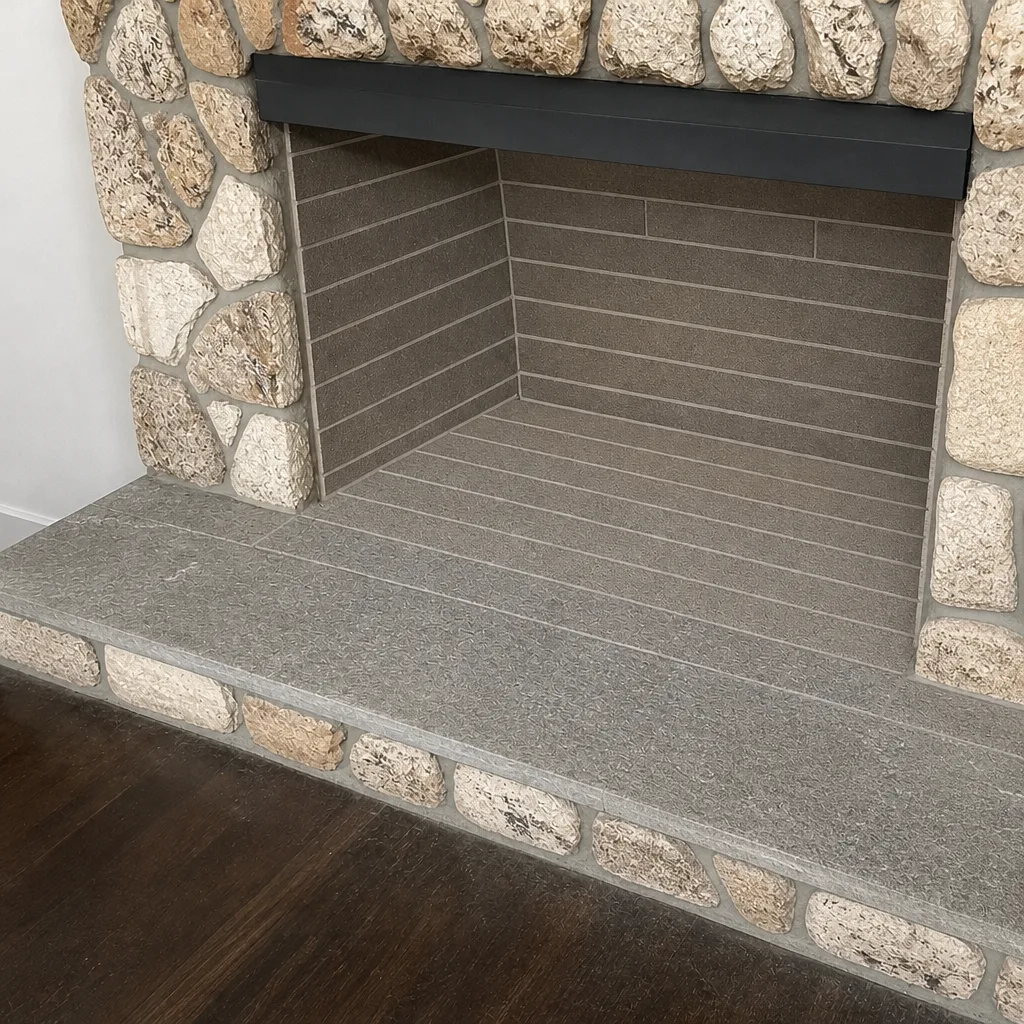
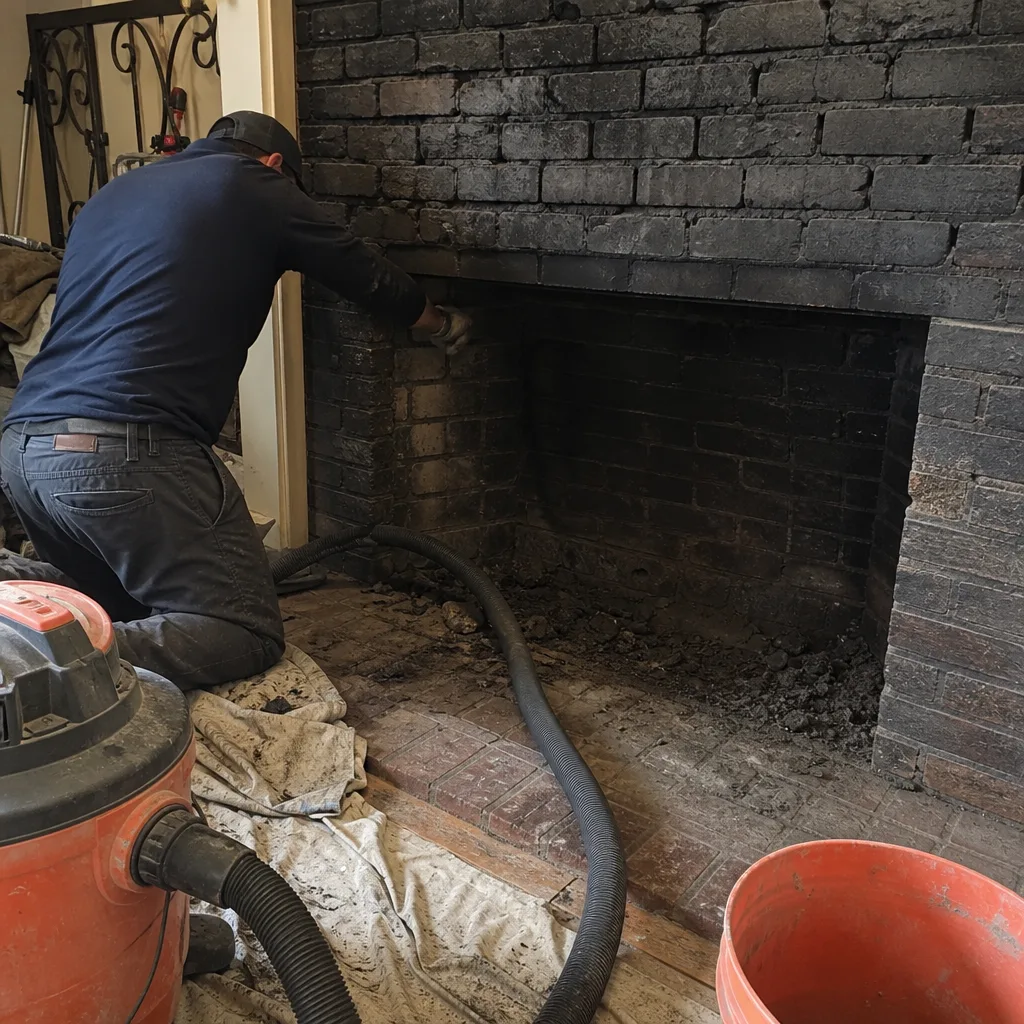
See the difference
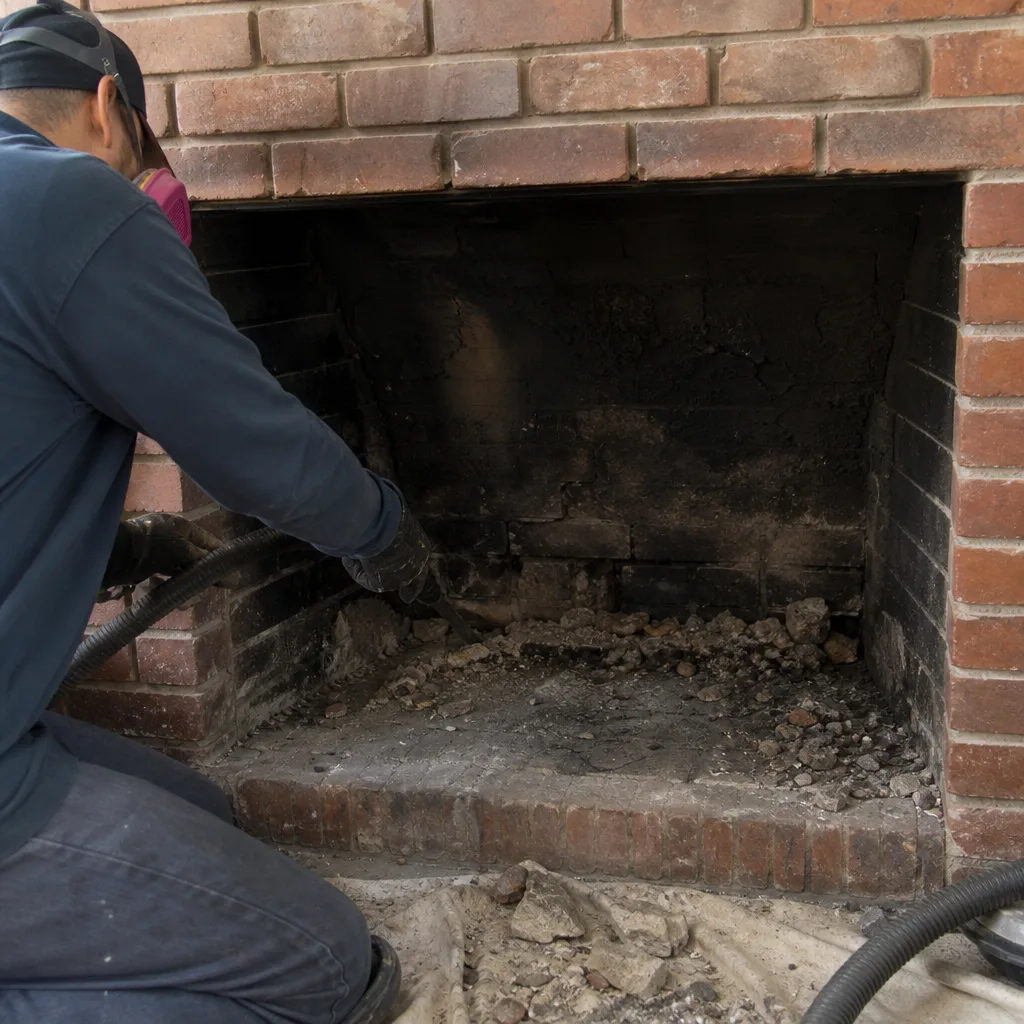 Before
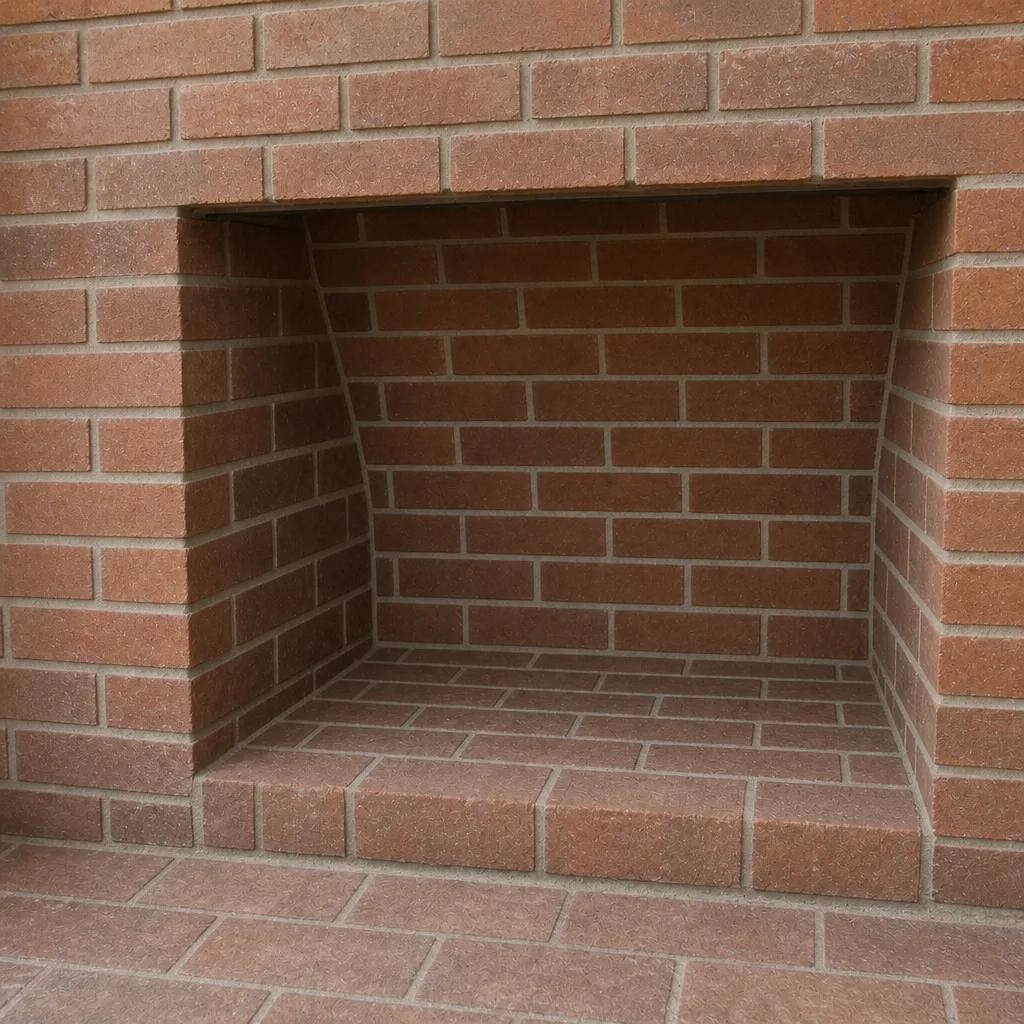 After
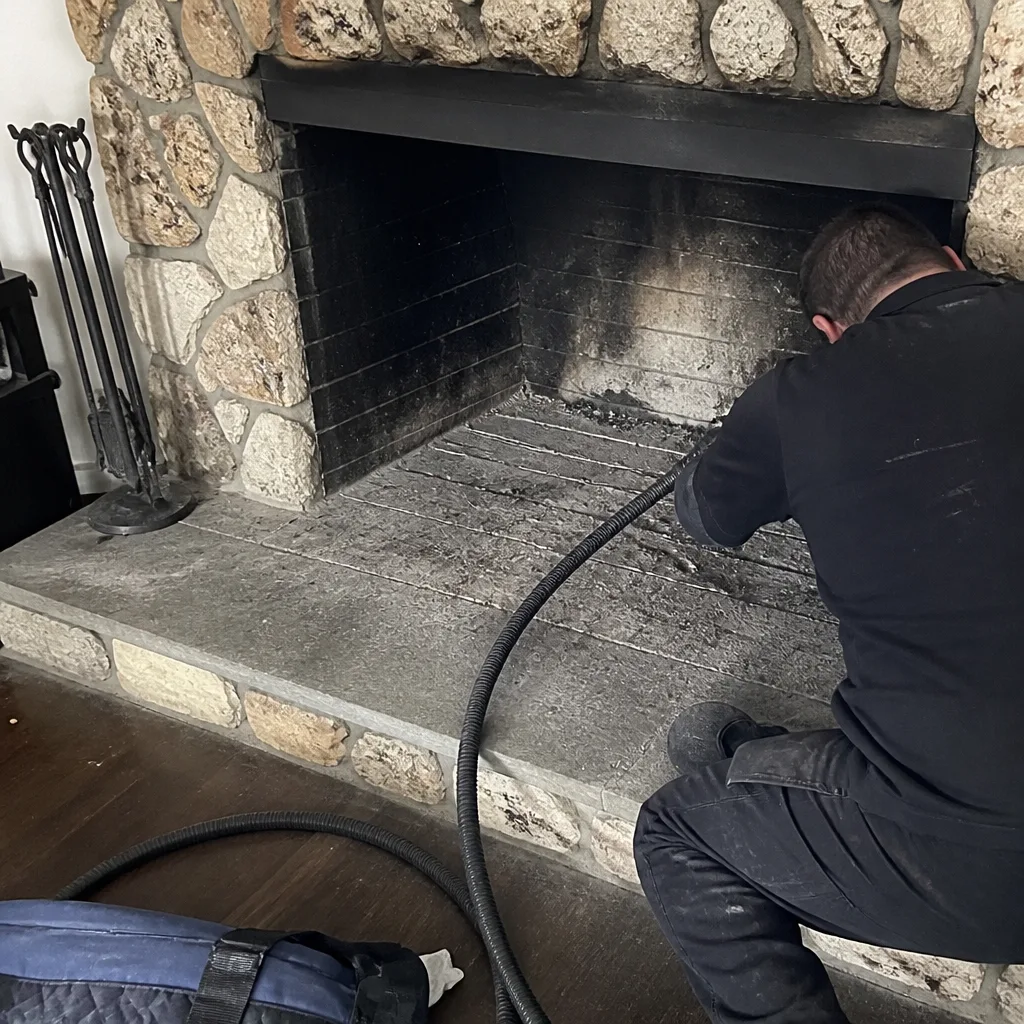 Before
 After
 Before
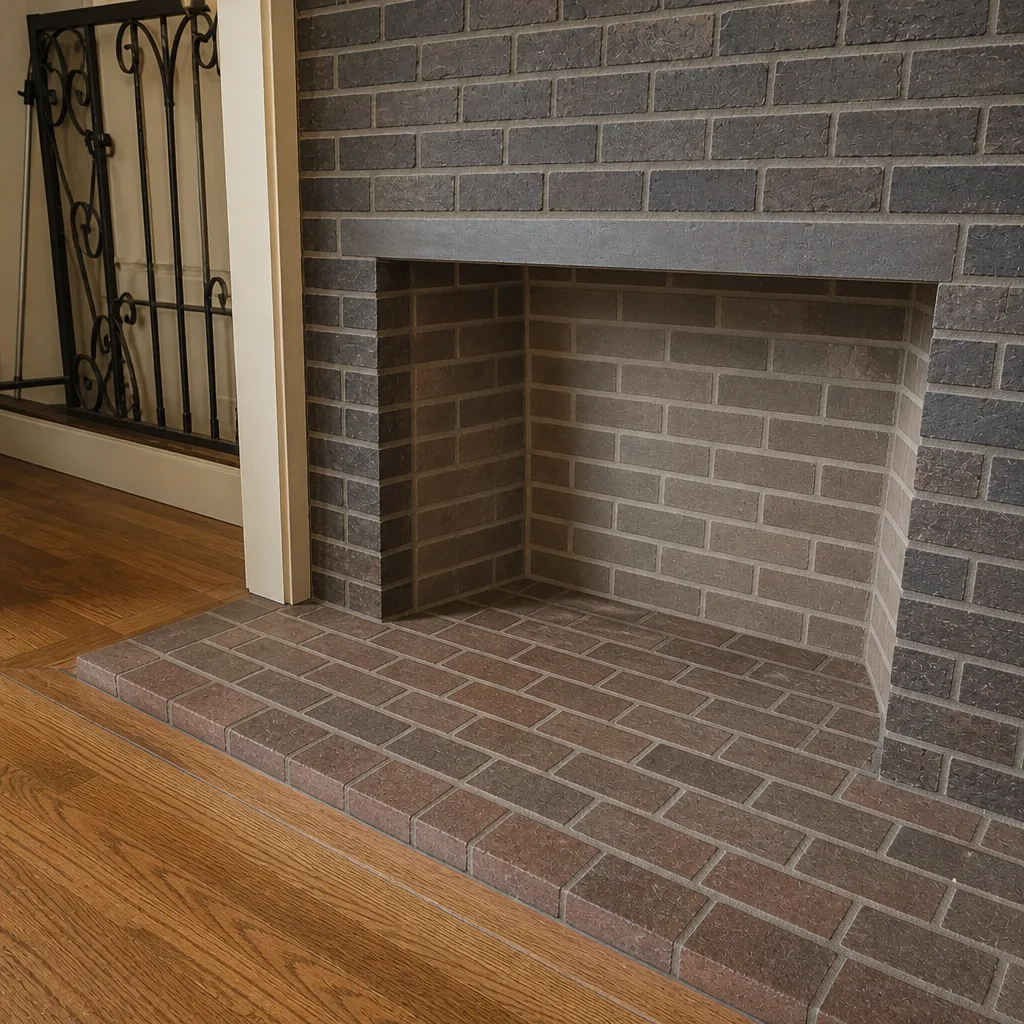 After