
Last updated November 5, 2026
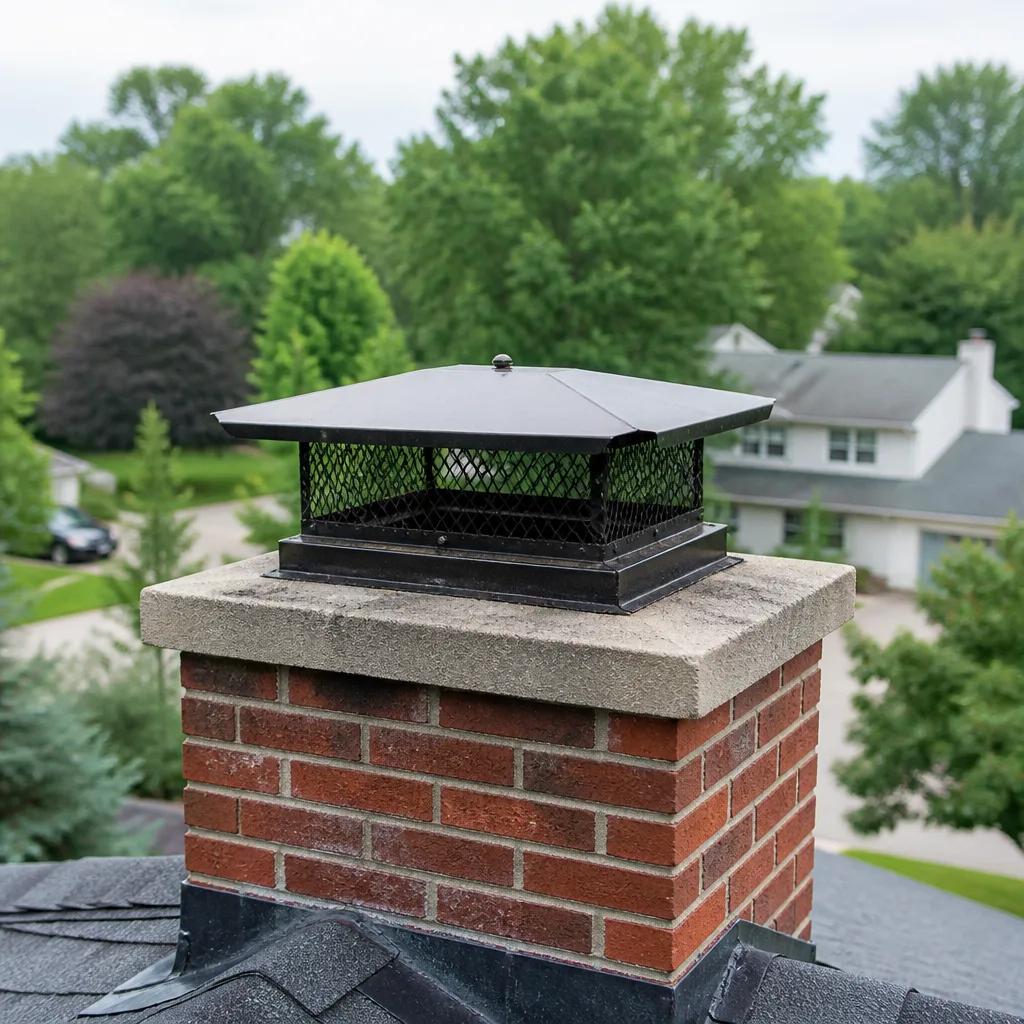 Sweep & inspection
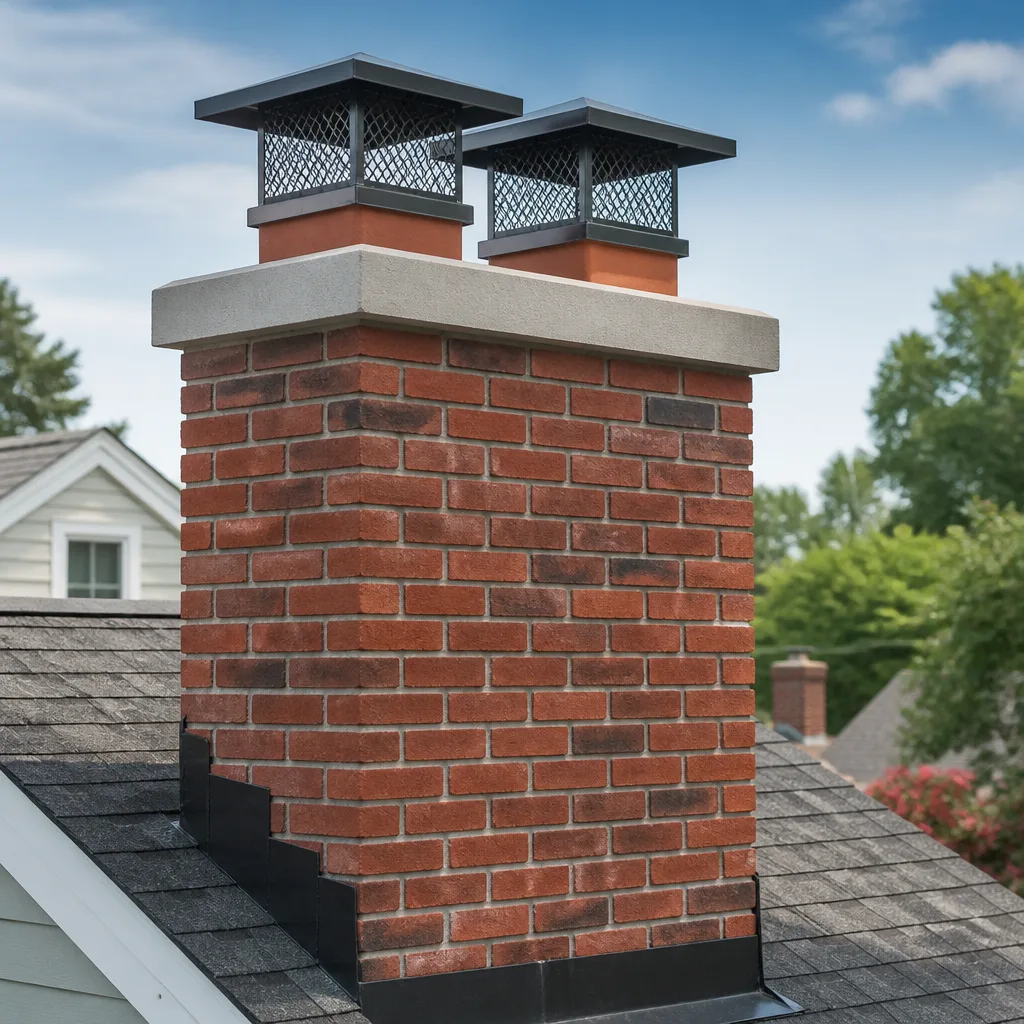 Caps & crowns
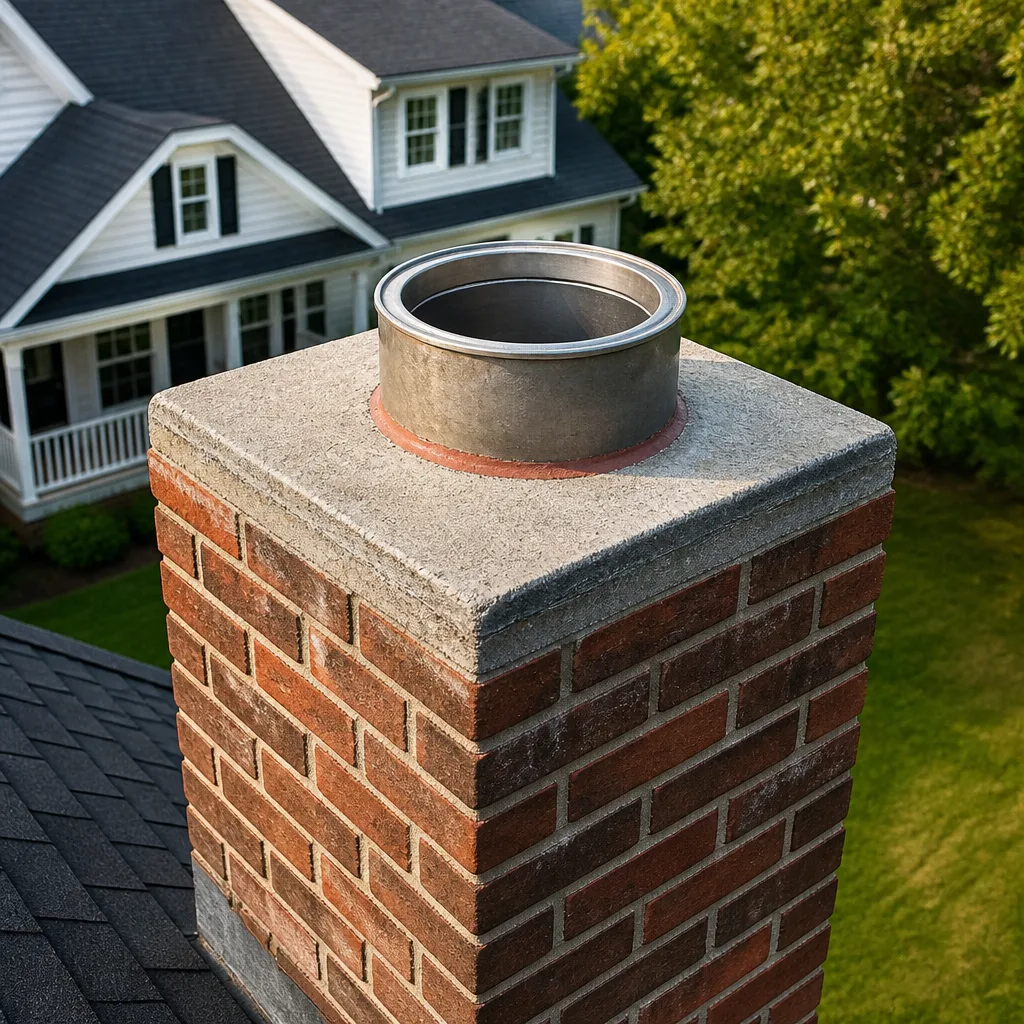 Flue relining
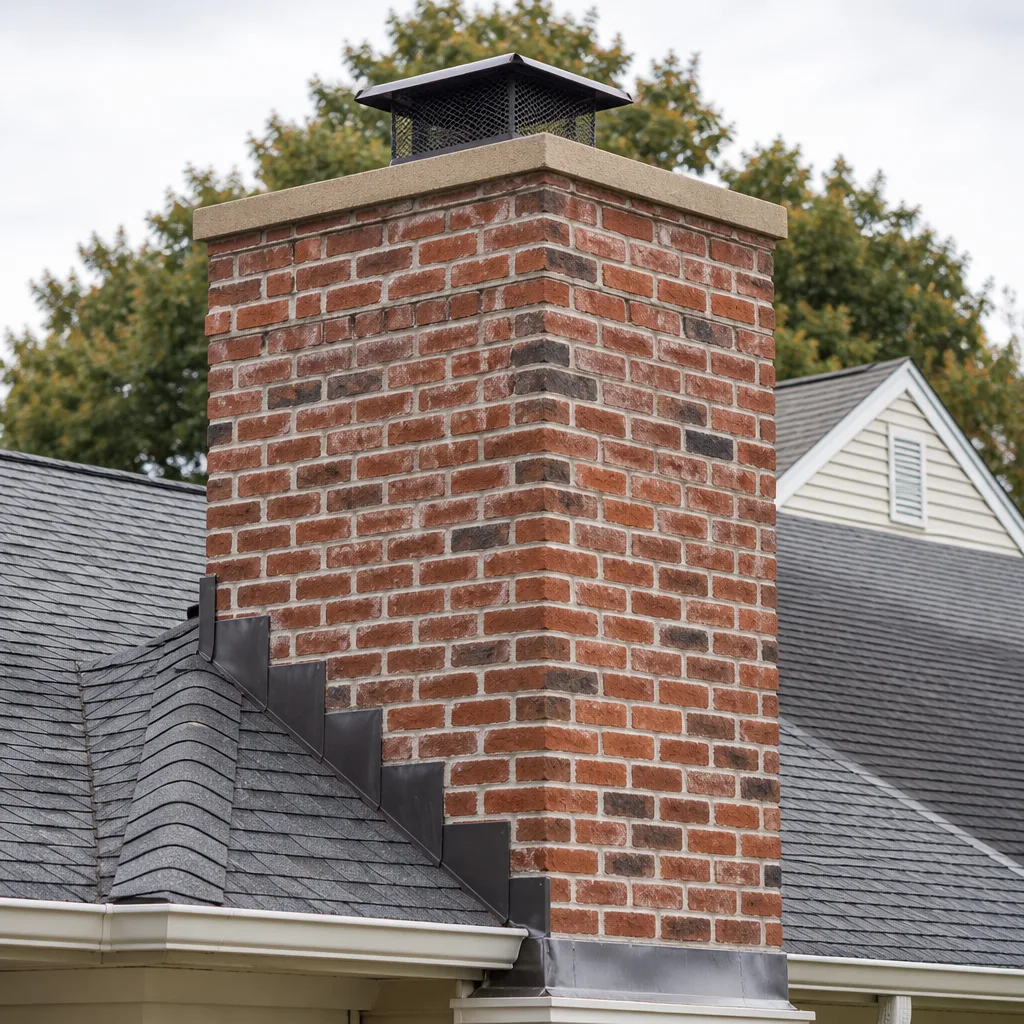 Masonry repair
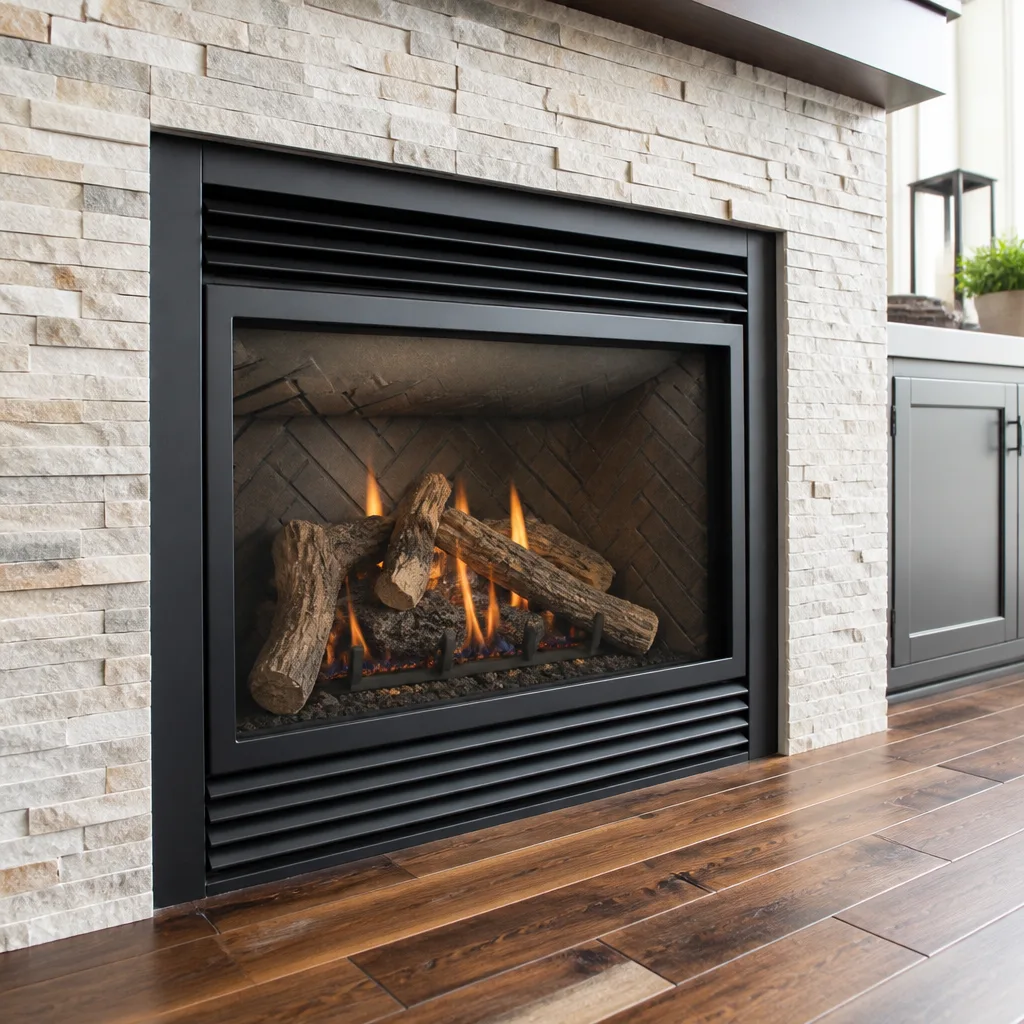 Gas fireplace service
Level 1 sweep and inspection to the NFPA 211 annual standard - flue, crown, cap, and flashing checked and photographed
Chimney sweep logs do not sweep chimneys. They loosen some creosote - which then falls where a brush and vacuum still have to collect it.
Chimney Sweep Troubleshooting in North Hollywood: Common Problems and How to Fix Them
A smoky living room doesn’t mean your damper is broken. It might mean your chimney is the wrong height for your roofline, a code issue no amount of cleaning will ever solve. Most of what homeowners in North Hollywood call us about, the smell after rain, the smoke that curls back into the room on a windy evening, the white staining on the brick outside, comes down to one of three root causes: draft failure, liner deterioration, or firebox damage. This guide maps specific symptoms to actual mechanical causes so you can stop guessing, stop paying for the wrong fix, and know exactly when a chimney needs a camera inspection before anyone touches it.
Quick Answer
Chimney problems in North Hollywood homes usually trace to draft failure, a deteriorated flue liner, or firebox masonry damage, not a dirty flue. Smoke rollback on windy days often means the chimney height is wrong relative to the roofline or nearby trees, while a smell after rain typically points to water getting through the crown or cap. You can monitor some of these issues on your own, but a cracked liner or firebox spalling requires a camera inspection to diagnose properly.
Styles & brands we work with
- Sweep & inspection
- Caps & crowns
- Flue relining
- Masonry repair
- Gas fireplace service
Table of Contents
- Symptom-to-Cause Map: What Your Chimney Is Actually Telling You
- Draft Failure in North Hollywood: Why Smoke Comes Back Into the House
- Liner Deterioration: The Problem a Clean Chimney Can Still Have
- Firebox Damage and Spalling Brick: When the Structure Itself Is Failing
- Water Entry: Smells After Rain, White Staining, and Crown Failure
- The Right Troubleshooting Sequence: What a Professional Actually Does
- What You Can Monitor vs. What Needs a Camera Inspection
- Common Mistakes to Avoid
- When to Call a Professional
- Frequently Asked Questions
- The Bottom Line
Symptom-to-Cause Map: What Your Chimney Is Actually Telling You
Chimneys are quiet systems. They don’t throw error codes. What they do is produce symptoms, and in our experience the gap between what a homeowner thinks a symptom means and what it actually means is where money gets wasted. Here is a symptom-to-cause map we use on nearly every diagnostic call in North Hollywood and the surrounding Valley.
Symptom: Smoke rolls back into the room, especially on windy days
Actual cause in most cases: draft failure, not a dirty flue. When wind hits the roof from a particular angle, it can press down on the chimney opening and reverse the draft. Homes in flat North Hollywood neighborhoods with single-story rooflines are especially prone, because the chimney often doesn’t clear the pressure zone created by the house itself or by a neighbor’s taller roofline. The fix is usually a chimney height extension or a draft-inducing cap, not another sweep.
Symptom: A musty or smoky smell after rain
Actual cause: water has entered the flue and mixed with creosote residue. Rain water picks up soot and creosote and carries the smell down into the living space. The source is usually a cracked crown, a failed cap, or spalling masonry letting moisture soak into the brick. Cleaning alone may temporarily reduce the smell, but until the water entry point is fixed, it will return with every rainfall.
Symptom: White staining or white powder on the exterior brick
Actual cause: efflorescence. Water is moving through the masonry and carrying soluble salts to the surface. The water evaporates and leaves the salt behind. This is not cosmetic damage, it’s a diagnostic clue that water is penetrating the chimney structure. In a climate like North Hollywood’s with long dry spells interrupted by occasional heavy rain, the wet-dry cycle accelerates this process.
Symptom: Chunks of brick or mortar in the firebox or on the ground outside
Actual cause: spalling. Water-saturated masonry expands and contracts with temperature swings, and the surface of the brick begins to flake off. This is structural deterioration, not a cleaning issue. It usually indicates years of water entry and may mean the firebox or the exterior wythe needs rebuilding.
Symptom: The damper is open, the flue was just swept, and smoke still comes in
Actual cause: most often a draft problem related to chimney height, flue sizing, or negative air pressure inside the house. A chimney sweep can confirm the flue is clean, but a clean flue that drafts poorly is still a draft problem. The diagnosis has moved beyond cleaning into the question of whether the chimney system is built and sized correctly for the house.
Draft Failure in North Hollywood: Why Smoke Comes Back Into the House
Draft failure is the most misdiagnosed chimney problem in North Hollywood. Homeowners assume smoke means dirt, so they book a sweep, the flue comes back clean, and the next windy evening they’re waving smoke out of the living room again. Draft is not about cleanliness. Draft is about pressure differential, flue gas temperature, and chimney geometry.
The Mediterranean climate here creates a particular draft pattern most national chimney guides ignore. North Hollywood gets relatively few cold nights, which means the temperature difference between the inside of the flue and the outside air is often small. Warm flue gas rises because it is less dense than the surrounding air. When the outside air is already warm, which is common in the Valley, the draft is weaker from the start. Add a Santa Ana wind event, with high pressure pushing down on the roof zone, and draft reversal becomes a regular occurrence on certain properties.
Here is the mechanical sequence when draft fails on a windy evening:
- Wind strikes the roof and chimney at an angle that creates a high-pressure pocket at the flue termination.
- That pressure exceeds the upward flow of warm flue gas inside the chimney.
- The flue gas stalls and then reverses, pushing smoke back down the chimney and into the house through the firebox opening.
- If the firebox glass doors are open, smoke enters the living space. If they’re closed but not sealed, it seeps around the edges.
The fixes are specific to the geometry of the house. If the chimney is below the height that clears the roofline and any nearby structures, extending the flue or adding a draft-inducing cap may solve it. If the issue is negative pressure inside the house, caused by exhaust fans, a tight building envelope, or a competing appliance, a makeup air solution may be warranted. Our role in these cases is to determine which of these is happening before recommending any repair. A camera inspection and a smoke test show us what the air is actually doing, rather than what we assume it is doing.
One local factor that deserves attention: flat single-story ranch homes and two-story stucco boxes are both common in North Hollywood. Flat rooflines mean the chimney often barely clears the roof deck. Two-story homes can create their own wind shadow. Neither pattern shows up in a generic national chimney guide, but both are daily realities here.
Liner Deterioration: The Problem a Clean Chimney Can Still Have
A chimney can be spotless and still be dangerous. The flue liner is the barrier between the hot flue gases and the combustible structure of the house. When that liner cracks, even a clean one, the chimney is no longer safe to use. This is one of the most important concepts for a North Hollywood homeowner to understand: cleaning and structural integrity are separate diagnoses.
Clay tile liners, used in most older Valley homes, crack for several reasons. Sudden temperature changes can shock them. The settling of the house can shift the chimney and open joints between tiles. In homes built before modern seismic code updates, earthquake movement over decades has left many clay liners with hairline separations that no one has ever seen, because no one has ever put a camera up there.
The concern with a cracked liner is not smoke in the living room, it is carbon monoxide and heat transfer. Flue gases will always find the path of least resistance. A crack in the liner lets them migrate into the chimney chase, the wall cavity, or the attic, spaces that were never designed to handle heat or combustion byproducts. Carbon monoxide is invisible, odorless, and in a slow leak, completely undetectable without a monitor. This is why a camera inspection is part of any legitimate chimney diagnosis.
The repair options fall into two categories. A full relining with a DuraFlex flexible liner system is the standard for a liner that has failed structurally. We stock and install DuraFlex because it is a professional-grade product, not something sold at consumer retailers, and because it carries the type of testing credentials a code inspector wants to see. For a liner that has not fully collapsed but shows significant surface damage, HeatShield ceramic restorative offers an alternative to full relining. It is a ceramic coating applied inside the existing flue that seals cracks and restores a continuous interior surface. Most basic chimney sweeps don’t offer this option, because it requires specialized training and materials sourced from trade suppliers like Olympia Chimney and Copperfield. The difference matters: a homeowner who only hears about full relining may delay a needed repair, when a HeatShield restoration would have been a cost-sensitive and effective fix.
Firebox Damage and Spalling Brick: When the Structure Itself Is Failing
The firebox is the chamber where the fire actually burns. It takes direct flame contact, high heat, and thermal cycling every time you light a fire. In homes where the firebox was built with standard brick and mortar rather than firebrick and refractory mortar, deterioration is expected over time. The symptom is usually visible: crumbling joints, loose bricks, cracks that run through multiple courses, or spalled brick faces lying in the ash bed.
Spalling is the word for what happens when moisture inside the brick expands and contracts faster than the surface can handle. The exterior face of the brick pops off. In North Hollywood’s long dry season, the clay inside the brick loses moisture faster than the surface, creating internal stress. When the rains do come, the brick absorbs water quickly, and the cycle repeats. This is why spalling often shows up more dramatically after a wet winter, even in a climate as mild as ours.
A firebox with open joints is not something to clean around. The firebox is a structural component of the chimney system, and gaps in the masonry allow heat to reach wood framing that was never meant to see it. The repair is to remove the damaged units and relay them with refractory mortar, or to rebuild the firebox floor and walls if the damage is extensive. We don’t do this work from a guess. A camera inspection of the firebox and the surrounding chase tells us whether the damage is surface-level or structural, and whether the smoke chamber behind the damper is also compromised.
One point worth emphasizing: a firebox repair is not a cosmetic upgrade. It is a fire-safety repair. The difference between a homeowner who catches this early and one who doesn’t is usually the difference between a repairable firebox and a full rebuild. If you see loose brick or crumbling joints, that is a reason to call, not a reason to wait another season.
Water Entry: Smells After Rain, White Staining, and Crown Failure
Water is the slow killer of chimney systems. It enters at the top, travels down through the masonry, and causes damage that compounds every year it is ignored. The three most common entry points are a failed cap, a cracked crown, and mortar joints that have worn away enough to let moisture soak into the brick.
The chimney crown is the concrete or mortar surface at the very top of the chimney, the flat area around the flue opening. It is supposed to shed water away from the flue and down the sides of the chimney. When the crown develops cracks, water penetrates the chase instead of shedding off. A well-built crown extends beyond the edge of the chimney and has a drip edge, but many older North Hollywood homes were built without one. In our experience, a missing drip edge is one of the most common findings on chimney inspections here.
A Gelco cap is the standard fix for a cap that has rusted through or was never installed correctly. Gelco manufactures caps designed to last longer than the cheap galvanized caps sold at consumer hardware outlets. The cap does more than keep rain out of the flue. It also keeps leaves, birds, and embers from exiting the flue onto the roof, which matters in a climate where dry brush and hot winds raise fire risk.
The smell after rain is the symptom homeowners notice first, because it enters the living space. White efflorescence staining is the symptom they notice on the outside, usually months or years after the water entry began. By the time both are visible, the masonry has been absorbing water for a while. The fix is not to mask the smell with a cleaning, it is to repair the entry point, and then address whatever damage the water has done to the liner and the firebox below.
The Right Troubleshooting Sequence: What a Professional Actually Does
One of the reasons chimney problems linger unresolved is that homeowners skip from a symptom to a guess, and the guess is usually informed by whoever sold them the last service. A proper chimney diagnosis follows a sequence, and understanding that sequence will help you evaluate any chimney company you call in North Hollywood.
- Visual check from the ground and roof: we look at the cap, the crown, the flashing, the brick condition, and the chimney height relative to the roofline. Half of draft problems are visible from the roof deck before any equipment comes out.
- Firebox and damper inspection: we open the damper, check the operation, and look into the firebox and smoke chamber. We’re checking for water staining, spalling, and creosote accumulation.
- Draft test: we measure the draw of the chimney with the damper open and the house sealed as it normally would be. In North Hollywood, where outside air temperature is often mild, this tells us whether the geometry of the chimney is adequate for the appliance it serves.
- Smoke test: if the draft measurement is questionable, we run a smoke test to see visually where the air is moving and whether there is a pressure problem inside the house.
- Camera inspection: this is the step most companies skip because it takes longer and requires equipment that a basic sweep doesn’t carry. The camera goes up the full length of the flue, from the firebox to the termination, and shows the liner condition in real time. It is the only way to see a cracked clay tile, a failed joint, or a void behind the liner.
That sequence matters because every step depends on the one before it. A draft test on a chimney with a cracked liner tells you nothing useful until you know the liner is cracked. A camera inspection on a chimney that isn’t drafting properly tells you the liner is fine but still leaves the draft problem unsolved. There is no shortcut that gives an accurate diagnosis without moving through these steps.
What You Can Monitor vs. What Needs a Camera Inspection
Homeowners should be able to tell the difference between a symptom they can monitor and a finding that requires professional equipment. Here is a practical breakdown.
You can monitor these on your own:
- Smoke behavior while the fire is burning, whether it drafts up or rolls back into the room, and under what wind conditions.
- Odors after rain, and whether they get better or worse over time.
- Visible brick and mortar condition on the exterior of the chimney, especially new cracks or flaking faces.
- Damper operation, whether it opens fully and seats firmly.
- The color and amount of residue you can see in the firebox after burning.
These require a camera inspection before any repair decision:
- Any suspicion of a liner crack, which often has no visible symptom other than the occasional backdraft or an unexplained odor.
- Water staining inside the firebox or smoke chamber, which indicates entry but not necessarily the source.
- Recurring draft failure that persists after the flue has been swept and confirmed clean.
- Post-repair verification, to confirm the repair actually fixed the problem and didn’t leave a hidden gap.
In our experience, the most expensive chimney problems are the ones a homeowner watched for years without acting, because the symptom was mild enough to ignore. A small water stain in the firebox is a cheap fix. A firebox that has been soaking up water for five years is a rebuild. The monitor-versus-inspect line is where you decide which one you have.
Common Mistakes to Avoid
- Assuming smoke means the chimney is dirty. Most smoke rollback in North Hollywood is a draft issue, not a soot issue. Paying for a sweep will not fix geometry that does not draft.
- Sealing the damper shut and forgetting about it. A damp, closed chimney still traps moisture and creosote residue. Airflow through the flue is necessary to keep it dry.
- Ignoring efflorescence as “normal.” White staining is not decorative. It is diagnostic evidence that water is moving through the masonry, and the source needs to be found and fixed.
- Replacing a cap with whatever is cheapest. A cap that fits poorly or rusts through in three years creates the same water entry problem as no cap at all. Trade-spec caps from manufacturers like Gelco are engineered to last.
- Making a repair decision without a camera inspection. Any contractor who recommends a liner replacement, a firebox rebuild, or a HeatShield restoration without showing you the camera footage should be asked why.
- Kicking the can after a water smell. Water entry compounds. The same leak that causes a smell this winter is damaging the liner and firebox brick every month it continues.
When to Call a Professional
If you have smoke entering the living space, a smell that persists after rain, visible brick or mortar failure, or any reason to suspect the liner is compromised, that is a professional diagnosis. These are not problems that improve with time. They are problems that move from the visible to the structural if left alone. Ashford Chimney Sweep offers free estimates in North Hollywood. Call (833) 589-9860 and we will run the sequence: visual check, draft test, smoke test, camera inspection. You will see exactly what the chimney looks like inside before any repair is recommended. We answer 24/7, and fast dispatch runs from 7am to 7pm, Sunday through Friday.
Frequently Asked Questions
Smoke rollback on windy days is typically a draft reversal caused by wind pressure at the flue termination exceeding the upward flow of flue gas. In North Hollywood’s flat residential setting with Santa Ana wind events and mild outside temperatures, the draft is often weak to begin with. The correct fix is usually a chimney height extension or a draft-inducing cap, not another cleaning. Call (833) 589-9860 and we’ll confirm the cause with a draft test and camera inspection.
A standard chimney sweep in North Hollywood is priced per job by a written estimate, not by a flat advertised number, because flue length, appliance type, and condition all vary. Our estimates are free. Call (833) 589-9860 for an exact quote for your chimney system.
Yes. Cleaning and structural integrity are separate diagnoses. A flue can be swept and visually spotless while the clay liner has hairline cracks that let flue gases escape into the wall cavity. The only reliable way to find a cracked liner is a camera inspection. If the liner is damaged, options include a DuraFlex full relining or a HeatShield ceramic restoration, depending on the extent of the damage.
A musty or smoky smell after rain means water has entered the flue and mixed with creosote residue. The water entry point is usually a failed cap, a cracked crown, or worn masonry joints. Cleaning will temporarily reduce the odor, but the smell will return until the entry point is repaired. Call (833) 589-9860 and we’ll find exactly where the water is getting in.
A wood-burning fireplace with regular use should be swept once per year, or more often if the buildup exceeds an eighth of an inch. Gas fireplaces require less frequent sweeping but still need regular inspection for venting integrity. Homes in North Hollywood that burn mainly during the short winter season often fall into an annual or every-other-year rhythm, but the easiest way to know is a visual inspection.
Yes. A small crack or a crumbling joint in the firebox is a path for heat to reach combustible framing behind the masonry. Firebox cracks do not self-seal, and they typically widen with each heating cycle. The repair is relatively straightforward when caught early. Larger spalling or missing brick may require a partial rebuild, which costs more. Call (833) 589-9860 for an estimate and a camera inspection of the firebox.
The Bottom Line
Most chimney problems in North Hollywood are misdiagnosed because homeowners work from symptoms without understanding the mechanical causes behind them. Draft failure, liner deterioration, and firebox damage each produce distinct signs, and each requires a different fix. A clean chimney can still be unsafe. A damp firebox can be a minor repair or a full rebuild depending on how long the water has been entering. The sequence that protects you from paying for the wrong work is always the same: visual check, draft test, smoke test, camera inspection. Ashford Chimney Sweep has served North Hollywood since 2012 with exactly that approach, and we repair what we find. Ashford Chimney Sweep also provides dryer vent cleaning as a fire-safety service, because lint buildup is just as real a fire risk as creosote. If your chimney has been telling you something, we’ll help you listen.
Written by the team at Ashford Chimney Sweep, serving North Hollywood since 2012.
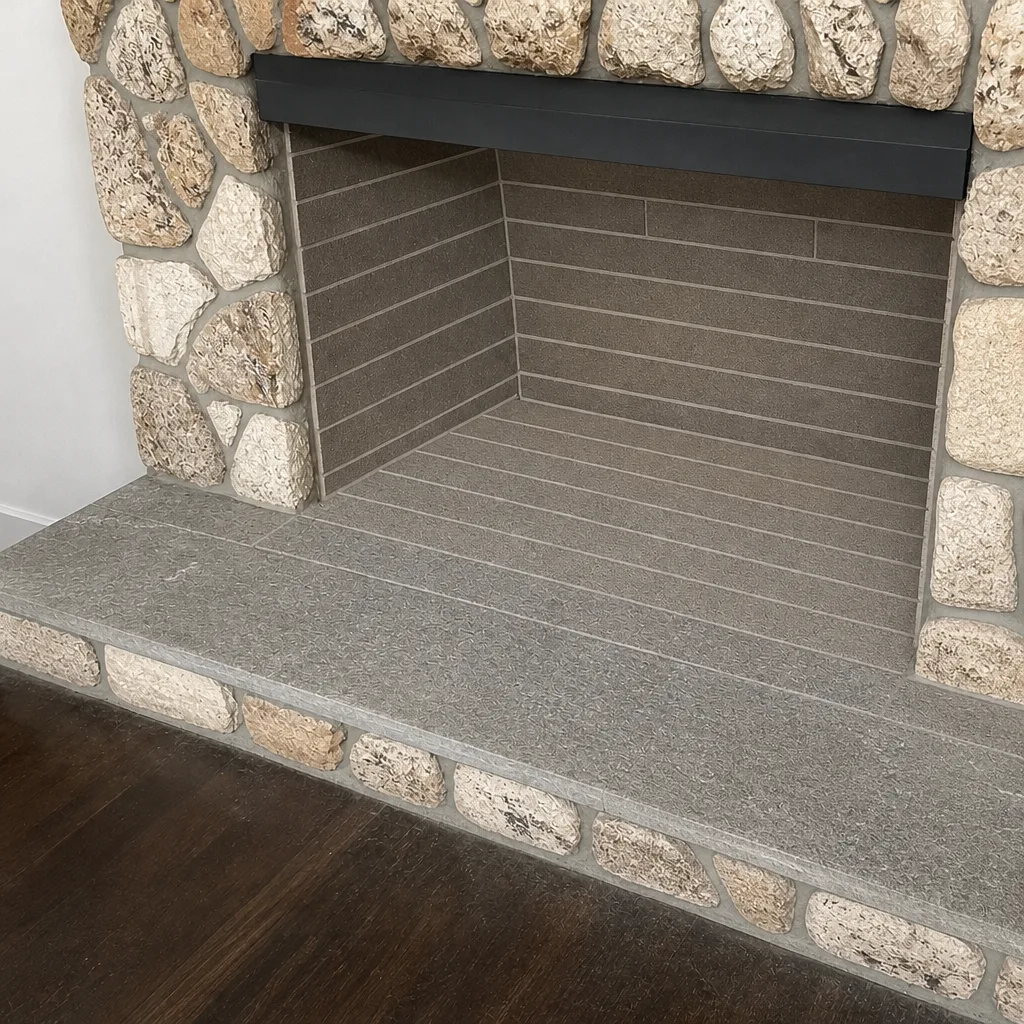
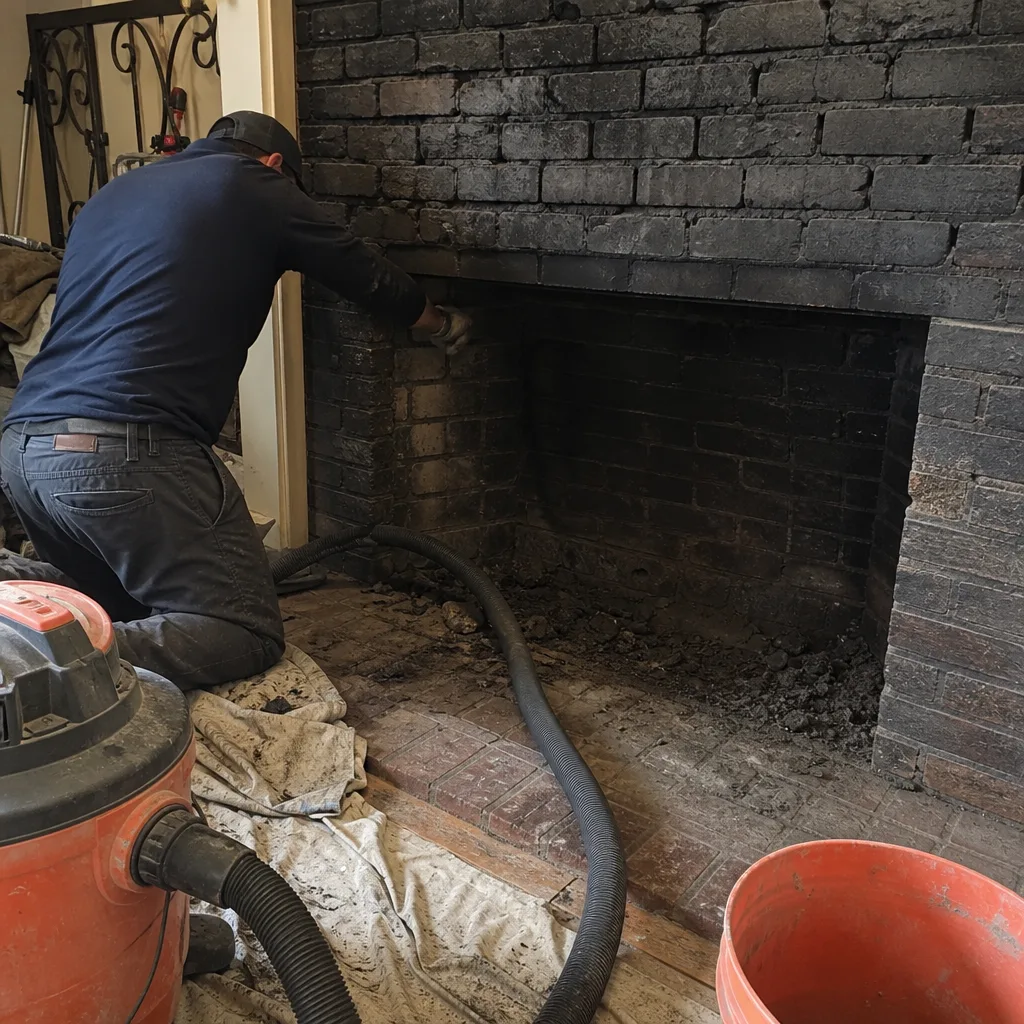
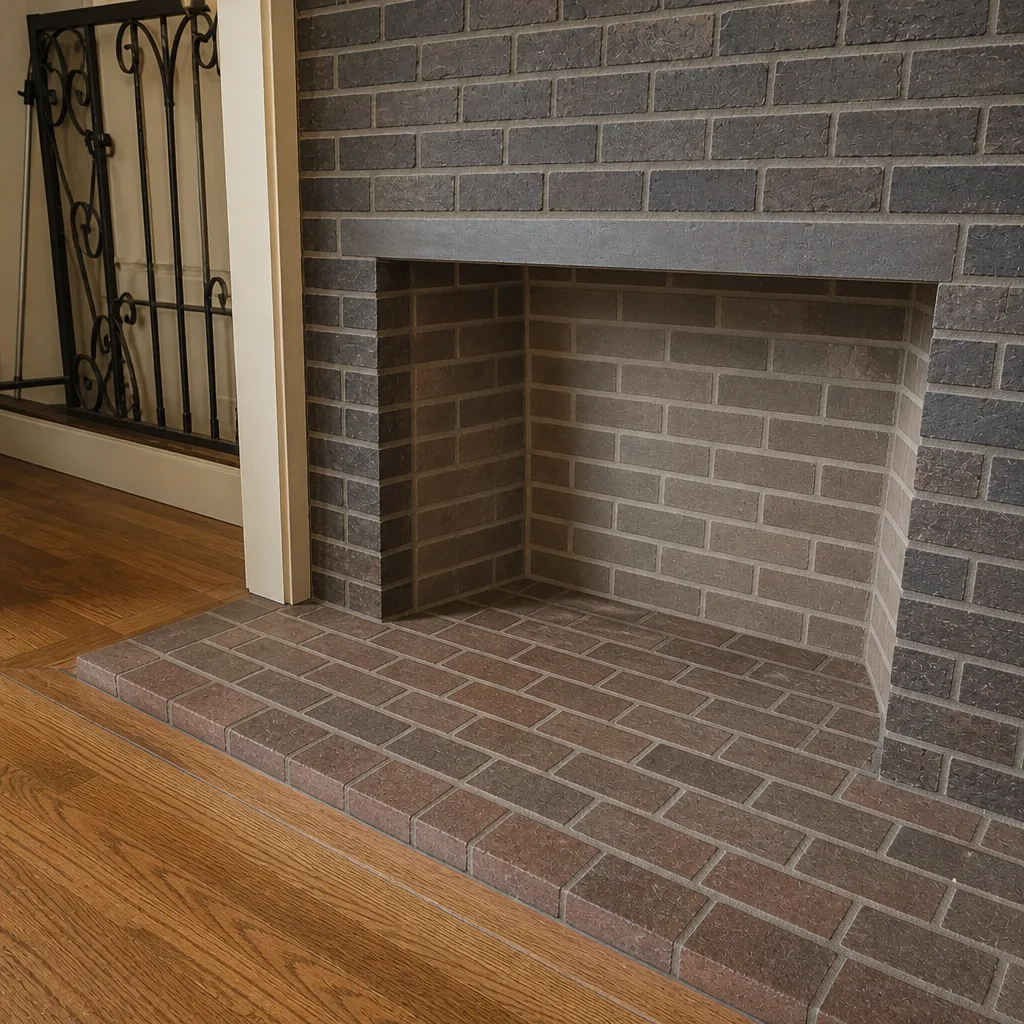
See the difference
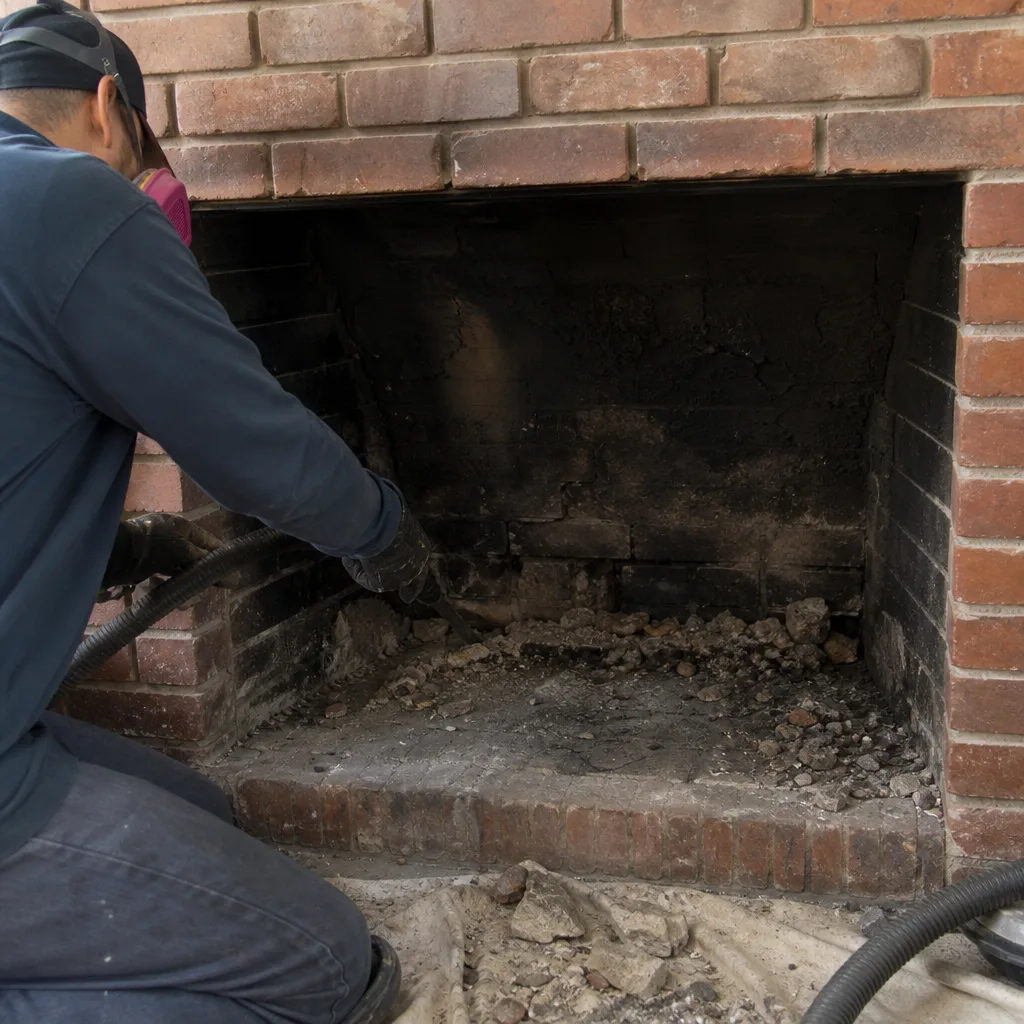 Before
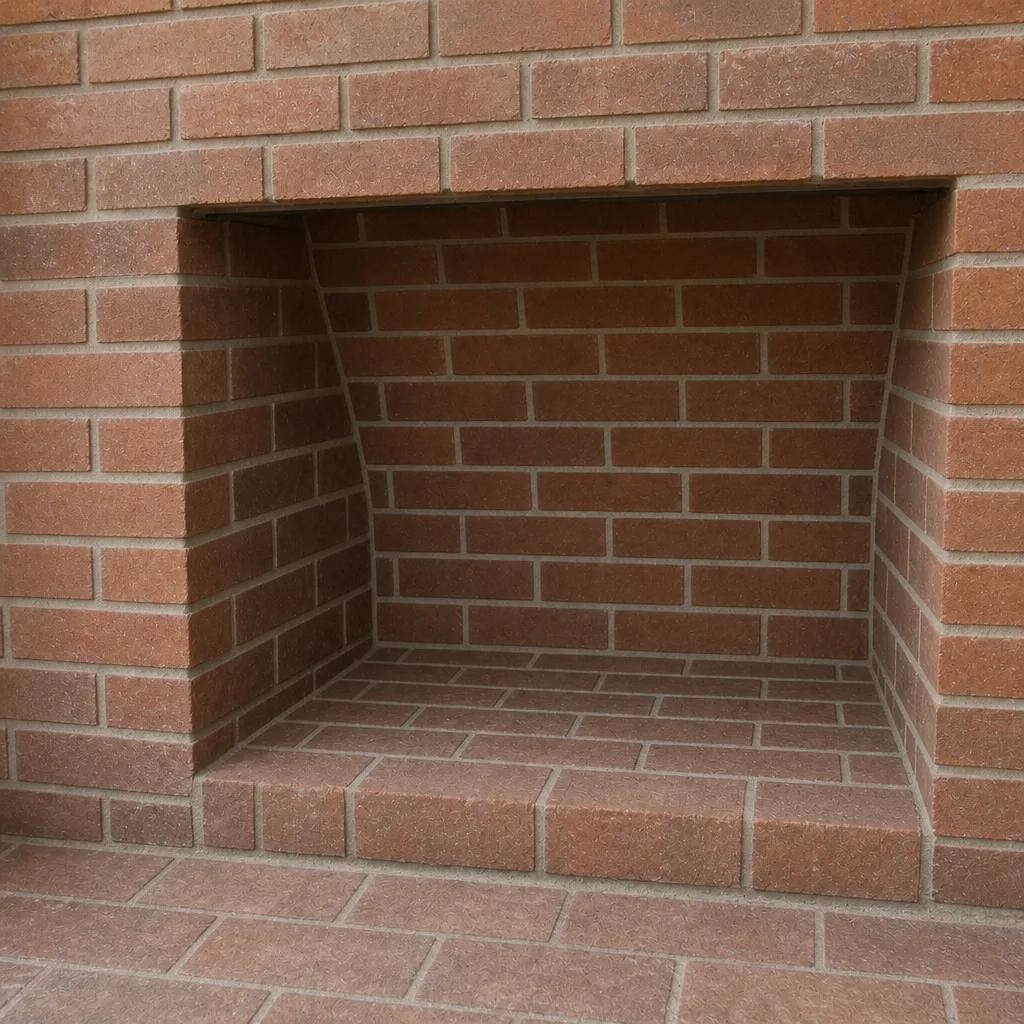 After
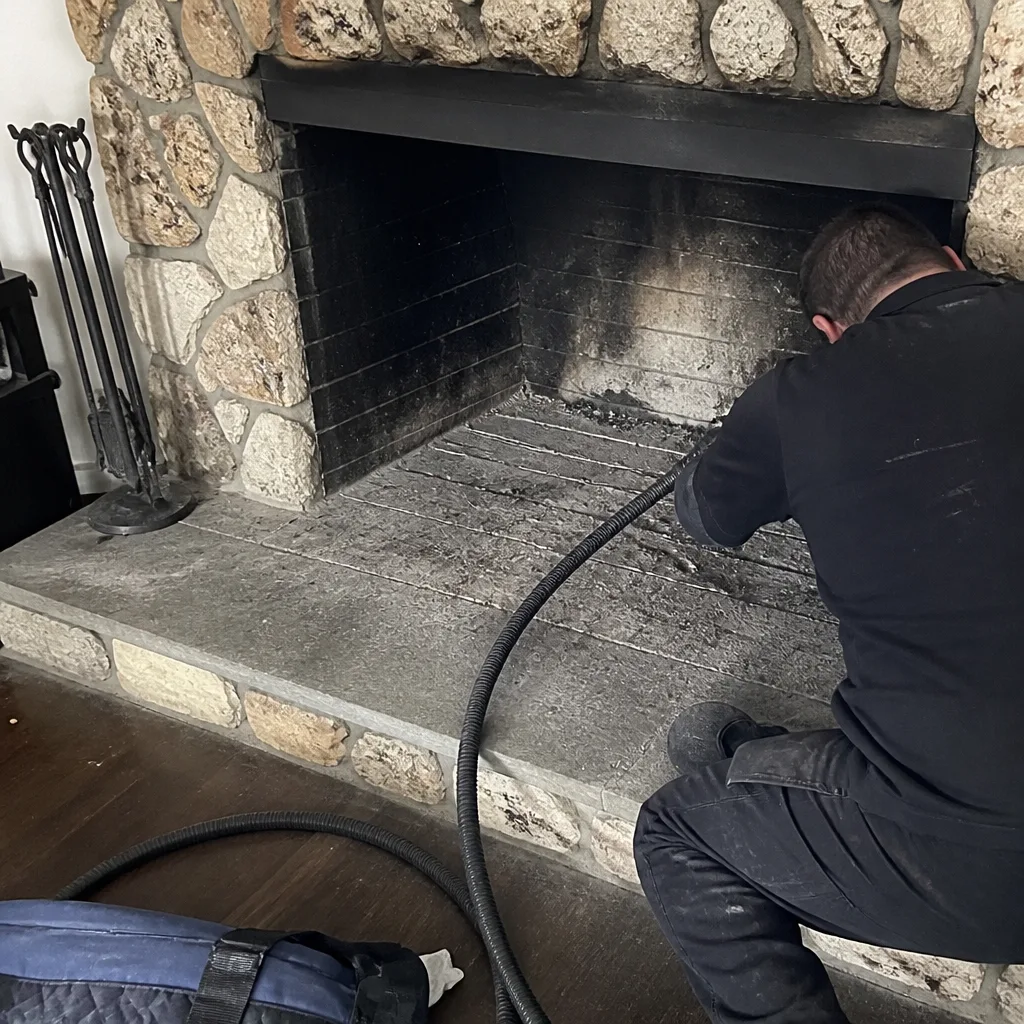 Before
 After
 Before
 After