
Last updated November 5, 2026
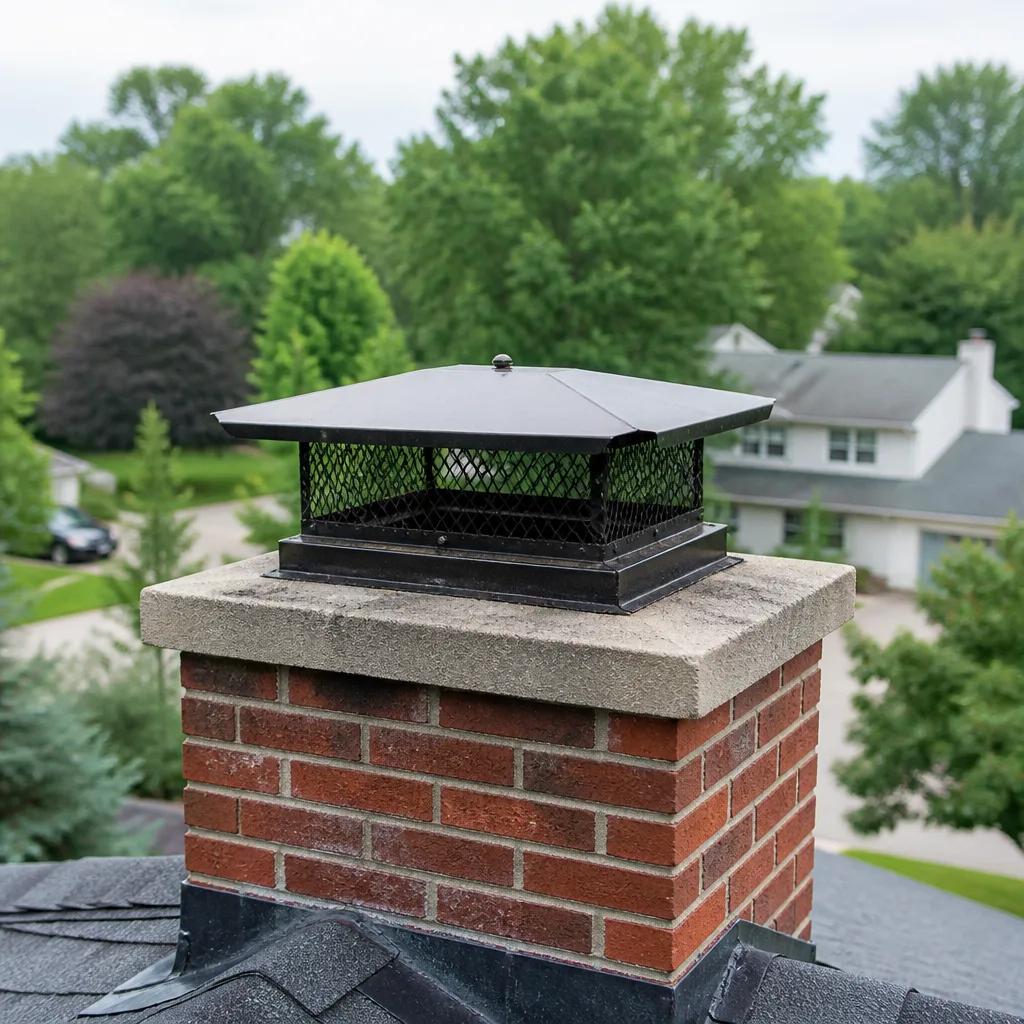 Sweep & inspection
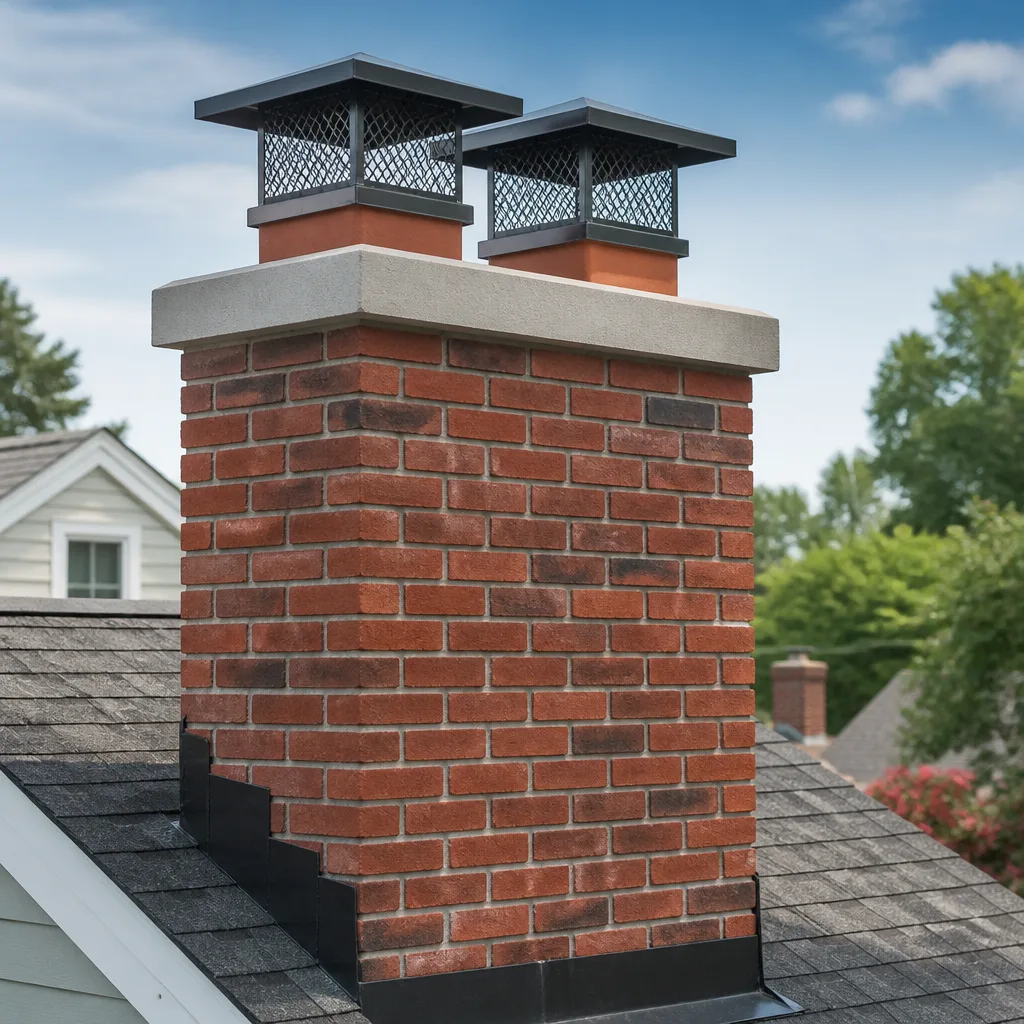 Caps & crowns
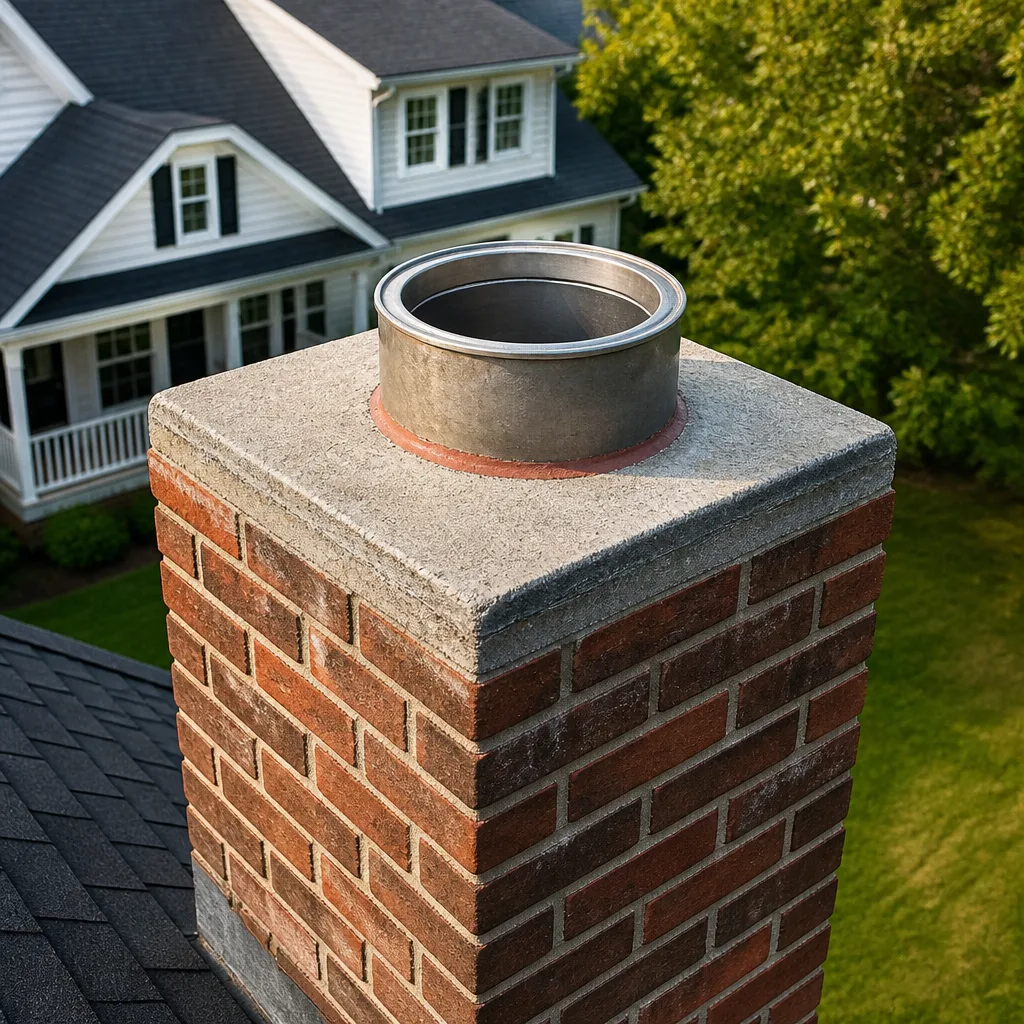 Flue relining
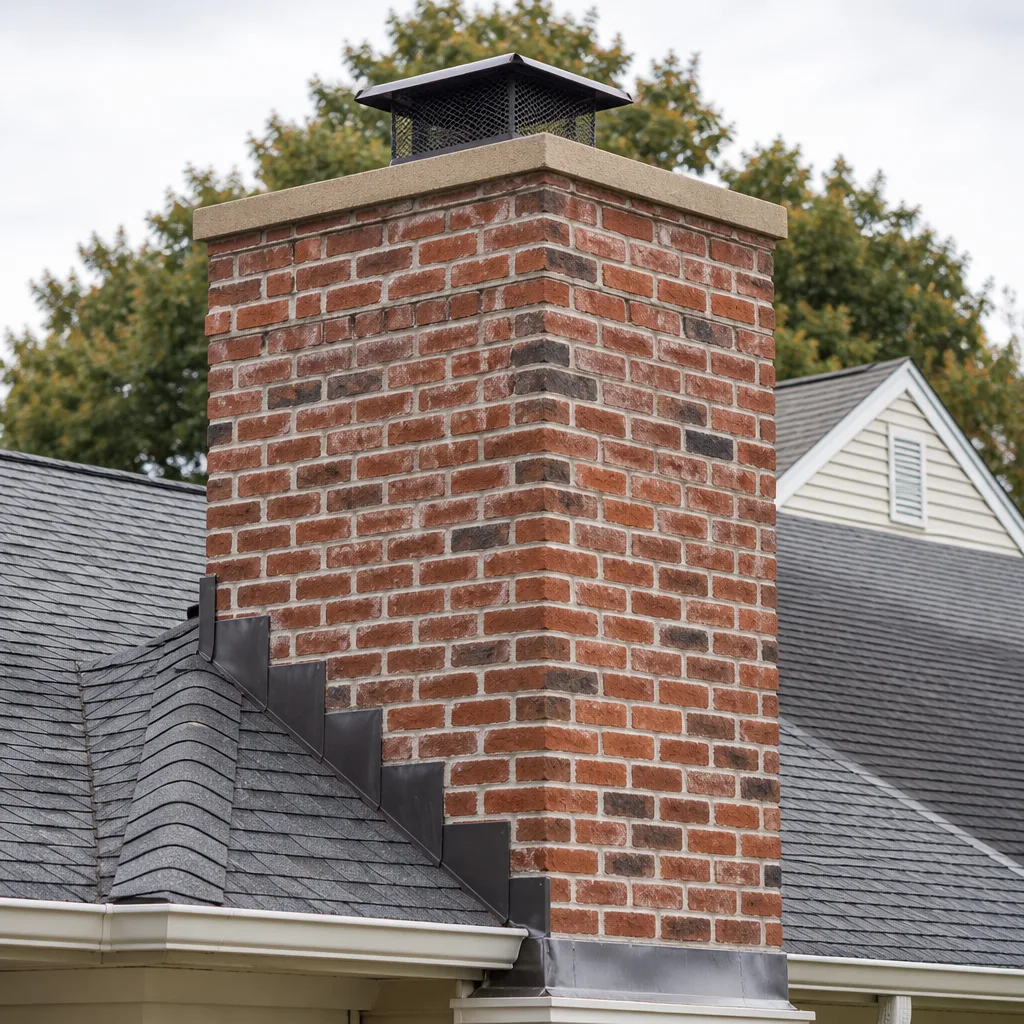 Masonry repair
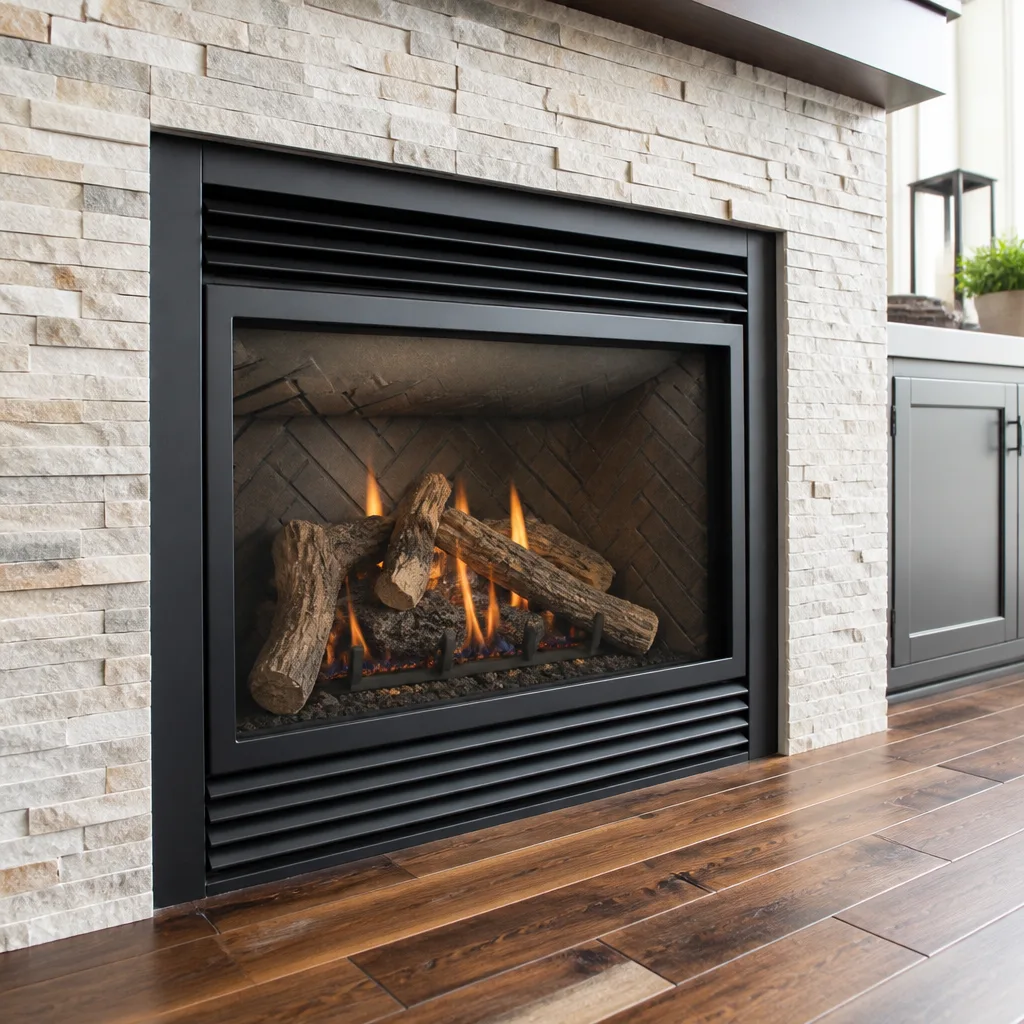 Gas fireplace service
Level 1 sweep and inspection to the NFPA 211 annual standard - flue, crown, cap, and flashing checked and photographed
Chimney sweep logs do not sweep chimneys. They loosen some creosote - which then falls where a brush and vacuum still have to collect it.
How to Hire a Chimney Cleaning Contractor in North Hollywood: A Step-by-Step Guide
Most homeowners assume every chimney sweep is roughly the same, so they hire the first name that comes up in a search and then wonder why the job took twenty minutes and produced no paperwork. The reality is that this trade has almost no barrier to entry: a one-day certificate costs a few hundred dollars online and puts someone in the same Google results as a contractor who spent months studying for a national certification. This guide walks you through the exact questions to ask and the credentials that actually matter before you let anyone onto your roof in North Hollywood.
Quick Answer
To hire a chimney cleaning contractor in North Hollywood, verify CSIA or NFI certification, confirm California business licensing, ask what equipment they use (commercial HEPA vacuum and camera system, not a Shop-Vac), request a written inspection report, and ask which professional-grade material brands they source for any repairs. A repair-capable sweep like Ashford Chimney Sweep can both clean and fix issues found, which means fewer handoffs and one contractor accountable for your entire chimney system. Call (833) 589-9860 for a free estimate.
Styles & brands we work with
- Sweep & inspection
- Caps & crowns
- Flue relining
- Masonry repair
- Gas fireplace service
Table of Contents
- The Credentials That Actually Matter
- Equipment Questions That Separate Professionals From Hobbyists
- What a Written Inspection Report Should Include
- How to Verify Professional-Grade Repair Materials
- Red Flags Specific to North Hollywood’s Market
- The Step-by-Step Hiring Process
- Common Mistakes to Avoid
- When to Call a Professional
The Credentials That Actually Matter
Hiring a chimney sweep in North Hollywood starts with understanding which credentials mean something and which are wallpaper. The Chimney Safety Institute of America (CSIA) certification requires months of study, documented work experience, and a proctored exam that covers fire codes, drafting dynamics, and inspection protocols. The National Fireplace Institute (NFI) offers a separate certification track for gas hearth systems, which matters in Southern California where gas fireplaces are common in older homes throughout the San Fernando Valley. These are not the same as a one-day course certificate, which typically costs around $300 online and teaches brush technique without the depth needed to spot structural problems or drafting failures.
California business licensing works differently than trade certification. A contractor performing chimney work in North Hollywood needs a license through the Contractors State License Board (CSLB), and you should ask for that license number before booking. Certification means the person knows chimneys; licensing means they are legally permitted to operate as a contractor in the state. Both matter, and neither is optional if you want the work done correctly and with accountability.
Here is what to ask on the phone before anyone comes out:
- “Are you CSIA or NFI certified? Can I see the credential?” A real professional will say yes without hesitation.
- “What is your California contractor license number?” You can verify it yourself through the CSLB website.
- “Do you carry liability insurance and workers’ compensation?” If someone falls off your roof, you do not want to discover they were uninsured.
- “Do you repair what you find, or do you only clean?” This separates one-service sweeps from full-system contractors.
In our experience, the homeowners who ask these four questions before booking almost never end up with a bad outcome. The ones who skip them are the ones who call us later to fix a liner that was never actually cleaned or a cap that was never actually installed.
Equipment Questions That Separate Professionals From Hobbyists
The equipment a chimney contractor brings to your North Hollywood home tells you more than their marketing does. A professional sweep uses a commercial-grade HEPA vacuum capable of capturing the fine particulate that a standard Shop-Vac blows back into your living room. They use rotary brush systems sized to your flue, not a one-size-fits-all brush that scrubs the center and leaves creosote in the corners. And they use a camera inspection system, because the inside of a flue is the one part of your home you cannot see without one.
Ask these specific questions:
- “What kind of vacuum do you use?” The answer should be a HEPA-rated commercial unit, not whatever they bought at the hardware store.
- “Do you run a camera inspection as part of the sweep?” This is non-negotiable for anyone claiming to assess your chimney system.
- “Do you use drop cloths and shoe covers?” A sweep who does not protect your floors is a sweep who does not protect your chimney either.
- “What brush system do you use for the flue size I have?” Flues come in different dimensions, and the brush should match.
We repair what we find, and we cannot find problems we cannot see. A camera inspection is the difference between a cleaning and an actual assessment of your chimney system. If a contractor quotes you $99 and brings a flashlight and a Shop-Vac, you are paying for someone to make a mess and tell you everything looks fine. That is not a sweep; that is a performance.
What a Written Inspection Report Should Include
A chimney cleaning is worthless without documentation. The absence of a written report signals that the contractor either did not look closely or does not want a record of what they found. Ask before booking whether the sweep includes a written inspection report, and ask what it covers.
A legitimate report after a North Hollywood chimney sweep should include at minimum:
- Flue condition: notes on creosote buildup (measured in stages), any cracking, and any spalling in the masonry.
- Liner assessment: what material the liner is, whether it is intact, and whether it is correctly sized for the appliances it serves.
- Draft check: whether the flue draws properly or whether there is backdrafting, which matters in Southern California where coastal-adjacent pressure patterns can affect ventilation.
- Cap and crown condition: whether the cap is present, secure, and whether the crown has cracks that allow water intrusion.
- Clearances: whether combustibles around the firebox meet code distances.
- Recommendations: any repairs noted, prioritized, and explained in plain language.
- Door-to-door solicitation after fire season. A contractor knocking on doors in Valley Village or Toluca Lake with a “special inspection rate” is often a high-pressure sales operation, not a local tradesperson.
- Unusually low flat-rate offers. A $79 sweep that never changes is a loss-leader designed to get someone on your roof who will then find $2,500 worth of problems. Legitimate sweeps price by the job because every chimney is different.
- Pressure to decide same-day. Real chimney work is not an emergency purchase in most cases. If a contractor insists you sign today or lose the price, walk away.
- Vague answers about materials. “We use quality products” without naming brands means they use whatever is cheapest.
- No camera system. In 2025, a sweep without a camera inspection is not doing an inspection at all; they are guessing.
- Search and shortlist. Look for contractors with clear local presence, not national lead-gen sites. Check for a physical North Hollywood or San Fernando Valley address, not a P.O. box or a generic “Los Angeles” listing.
- Call and ask the credential questions. Use the four questions from the credentials section. Listen for hesitation, evasion, or scripted answers.
- Request a written estimate. Legitimate contractors set the price by the written estimate after assessing your specific chimney system. The estimate itself should be free.
- Confirm the inspection report is included. Ask whether the sweep includes camera inspection and a written report covering flue condition, liner, draft, cap, and clearances.
- Ask about repair capability. If they find a problem, can they fix it, or do they hand off a report and tell you to find someone else? A repair-capable sweep keeps accountability in one place.
- Verify materials before agreeing to repairs. If repairs are recommended, ask which brands they use. DuraFlex, HeatShield, Gelco, and Famco are the names you want to hear.
- Review the report and camera footage before paying for repair work. No legitimate contractor should recommend a liner replacement without showing you the evidence.
- Hiring based on the lowest quote. The cheapest sweep is almost always the most expensive one in the end, because they find problems they cannot actually verify or they miss problems entirely. You pay twice.
- Assuming every sweep is certified. Nothing requires certification to call oneself a chimney sweep. Ask for the credential; do not assume it exists.
- Skipping the dryer vent cleaning conversation. Many homeowners do not realize that a clogged dryer vent is the source of thousands of house fires annually. If your contractor does not mention dryer vents, they are not thinking about your home’s full venting system.
- Agreeing to liner work without seeing camera footage. The liner is the most expensive component of the chimney system. You need visual proof of damage before committing to a relining or restoration.
- Ignoring the cap and crown. These are small components that prevent big problems. A missing cap lets rain and animals into the flue; a cracked crown lets water into the masonry. Both are cheap to fix and expensive to ignore.
- Not asking about cleanup. A professional sweep protects floors, furniture, and the area around the fireplace. If the answer to “how do you protect my home” is vague, the job will be messy.
- Believing gas fireplaces never need sweeping. Gas appliances produce acidic residue that corrodes flues, and gas logs can create enough soot and debris to block venting. Every chimney system needs periodic inspection and cleaning.
If a contractor hands you a one-paragraph receipt that says “cleaned, no issues,” they did not inspect anything. A real inspection report gives you evidence you can look at yourself, and that evidence matters when someone recommends a $3,000 repair. You deserve to see the camera images or video before you agree to any liner work. Nothing should be recommended without visual proof you can review.
How to Verify Professional-Grade Repair Materials
Here is a fact about the chimney repair industry that most North Hollywood homeowners never hear: the materials a contractor sources determine whether a repair lasts five years or twenty-five. A stainless liner from a professional trade distributor is not the same product as a flexible aluminum tube from a big-box store, even if they look similar from the ground. The difference is in the alloy, the wall thickness, and the UL listing that says the product is approved for chimney use.
Ask your contractor which brands they stock. The names that signal trade-level sourcing include DuraFlex for flexible liner systems, HeatShield for ceramic restorative liner repair, Gelco for caps, and Olympia Chimney or Famco for venting components. These are not brands you will find on the shelf at a consumer retailer; they are sold through professional supply houses that require contractor accounts. When a contractor names these brands without hesitation, you are talking to someone who sources from the same supply chain as certified chimney professionals nationwide.
HeatShield deserves specific mention because it changes the repair conversation for many homeowners. A cracked clay tile liner traditionally meant a full relining job, often with significant masonry work to make room for a new liner. HeatShield ceramic restorative can, in many cases, repair the existing liner in place by applying a ceramic coating to the flue interior. It is a cost-sensitive repair option that most basic sweeps cannot offer because they do not have the training or the supplier relationships. If your inspection finds liner damage, ask whether HeatShield is an option before you commit to a full relining quote.
There is also the question of the crown, the masonry or concrete top that seals the chimney from weather. A cracked crown lets water into the masonry, and in North Hollywood’s mild but occasionally rainy winters, that means slow degradation that goes unnoticed until the damage is extensive. A real contractor will inspect the crown as part of the camera report and recommend sealing or rebuilding with contractor-specified products, not a bucket of hardware-store sealant.
Red Flags Specific to North Hollywood’s Market
North Hollywood has a particular set of hiring risks because of how the local market operates. The San Fernando Valley has older housing stock, a high density of rental properties, and fire seasons that push chimney maintenance into public awareness. That combination attracts certain types of operators.
Watch for these specific red flags:
We have been serving North Hollywood since 2012, and the pattern is consistent: the worst outcomes come from the cheapest initial quote. A professional chimney sweep costs more because the equipment, training, and materials cost more. The difference is not markup; it is the difference between a service that actually assesses your chimney system and one that brushes the flue and wants to sell you a liner.
The Step-by-Step Hiring Process
Here is the exact process we recommend for hiring a chimney cleaning contractor in North Hollywood, from first search to completed job.
The entire process from first call to completed sweep should feel methodical, not rushed. A thorough sweep of an average North Hollywood chimney takes one to two hours depending on flue condition and whether the chimney has seen recent use. If someone claims they can do it in twenty minutes, they are not doing the job.
Common Mistakes to Avoid
When to Call a Professional
Chimney work is not a DIY project. The flue interior is inaccessible without specialized equipment, creosote is combustible and corrosive, and the roof work requires fall protection and experience. If you notice smoke backing into the room, a burning smell even when the fireplace is not in use, visible soot falling into the firebox, or animals sounds coming from the chimney, stop using the fireplace and call a professional. If you have a gas fireplace and smell gas or notice discoloration around the vent, shut off the gas supply and call your utility company first, then a chimney contractor. If your dryer takes longer than forty-five minutes to dry a load, the vent needs attention. If it has been more than a year since your last sweep, schedule one regardless of symptoms. Ashford Chimney Sweep offers free estimates in North Hollywood – call (833) 589-9860.
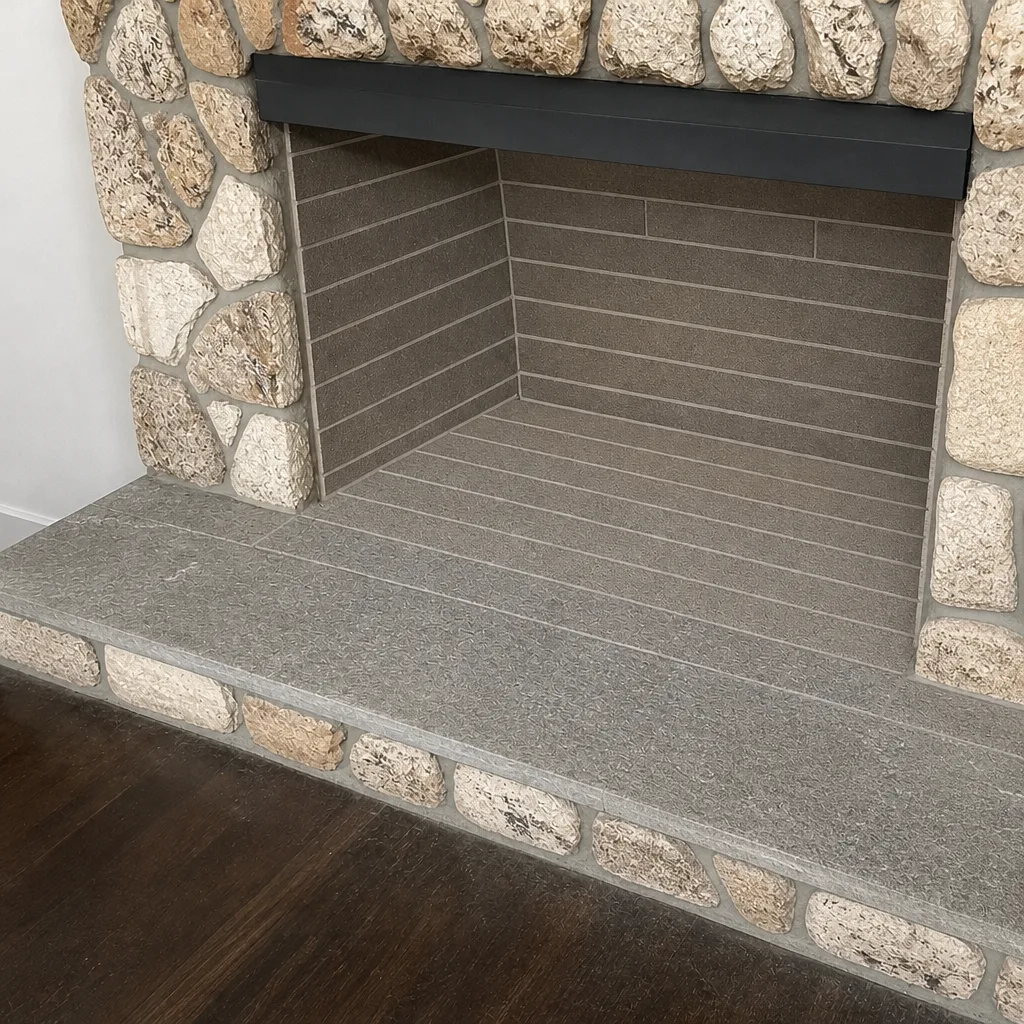
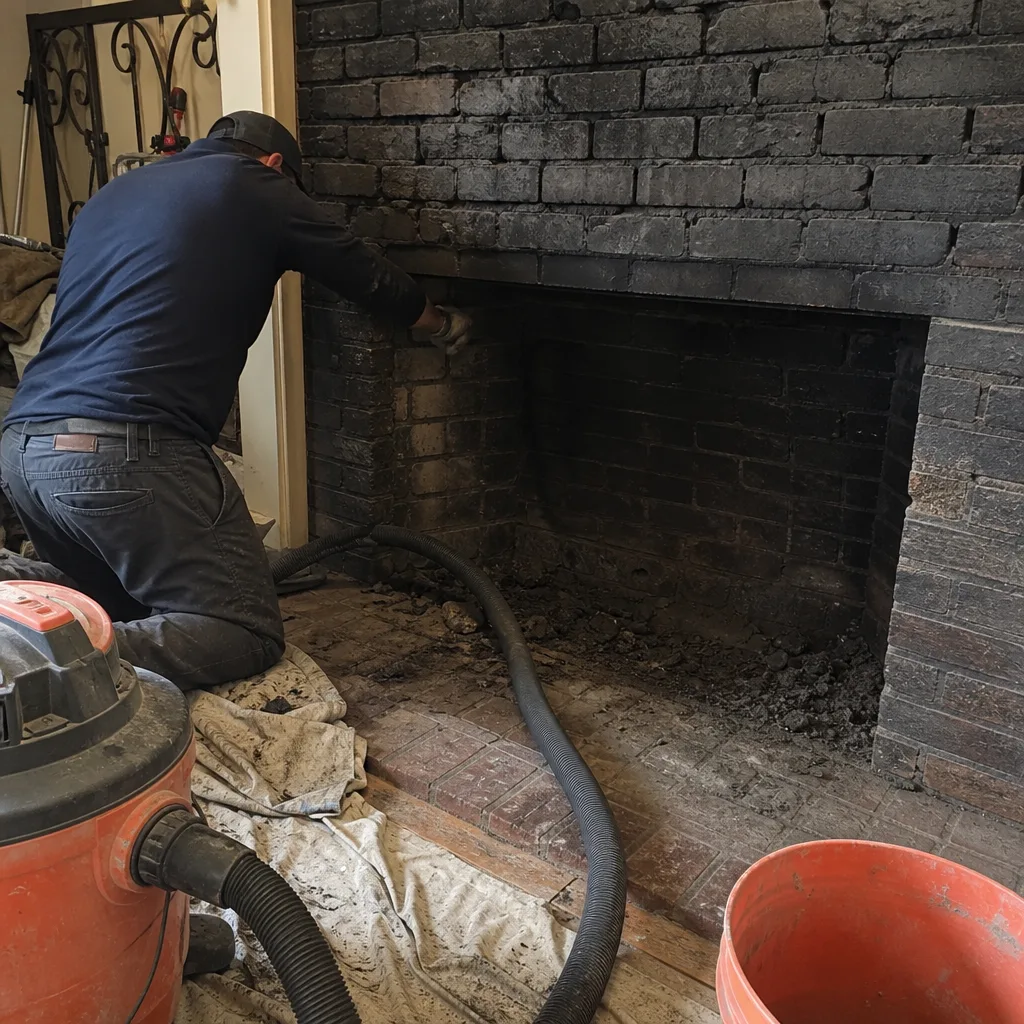
See the difference
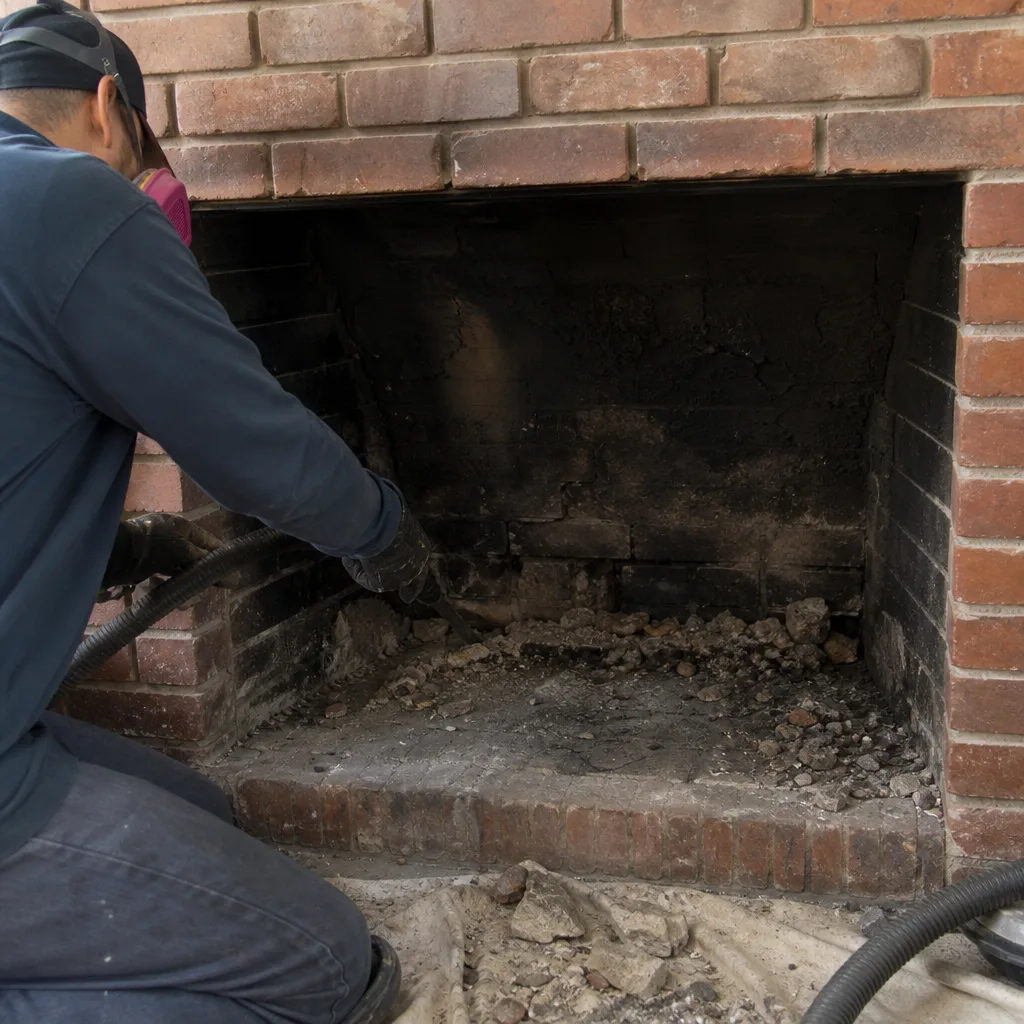 Before
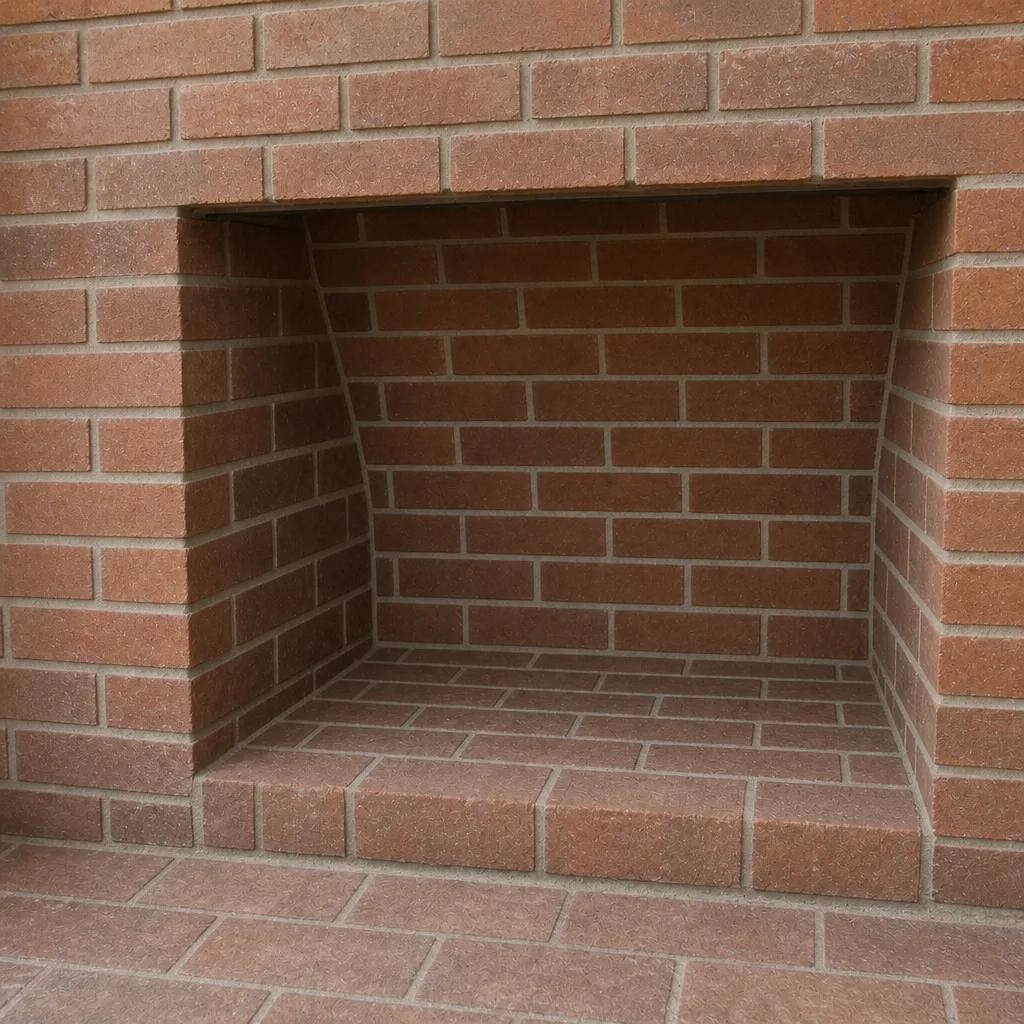 After
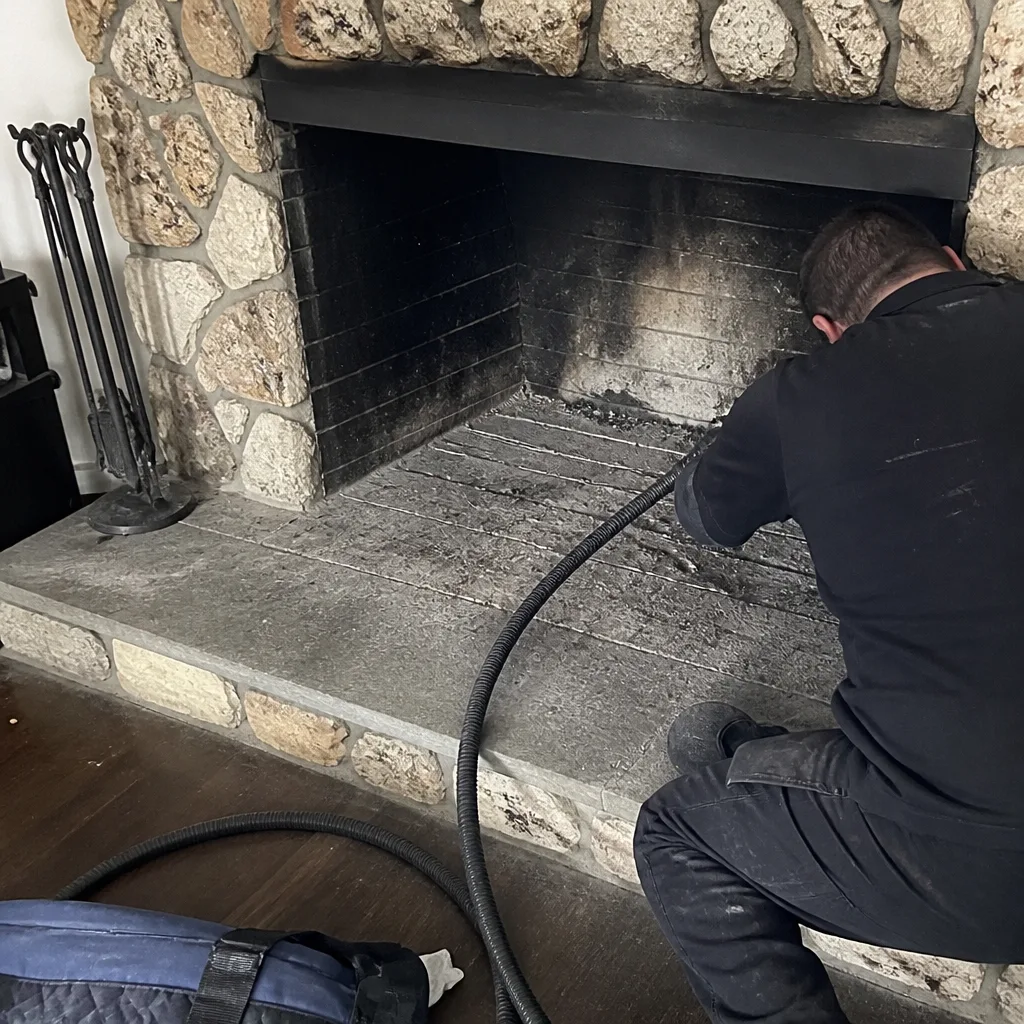 Before
 After
 Before
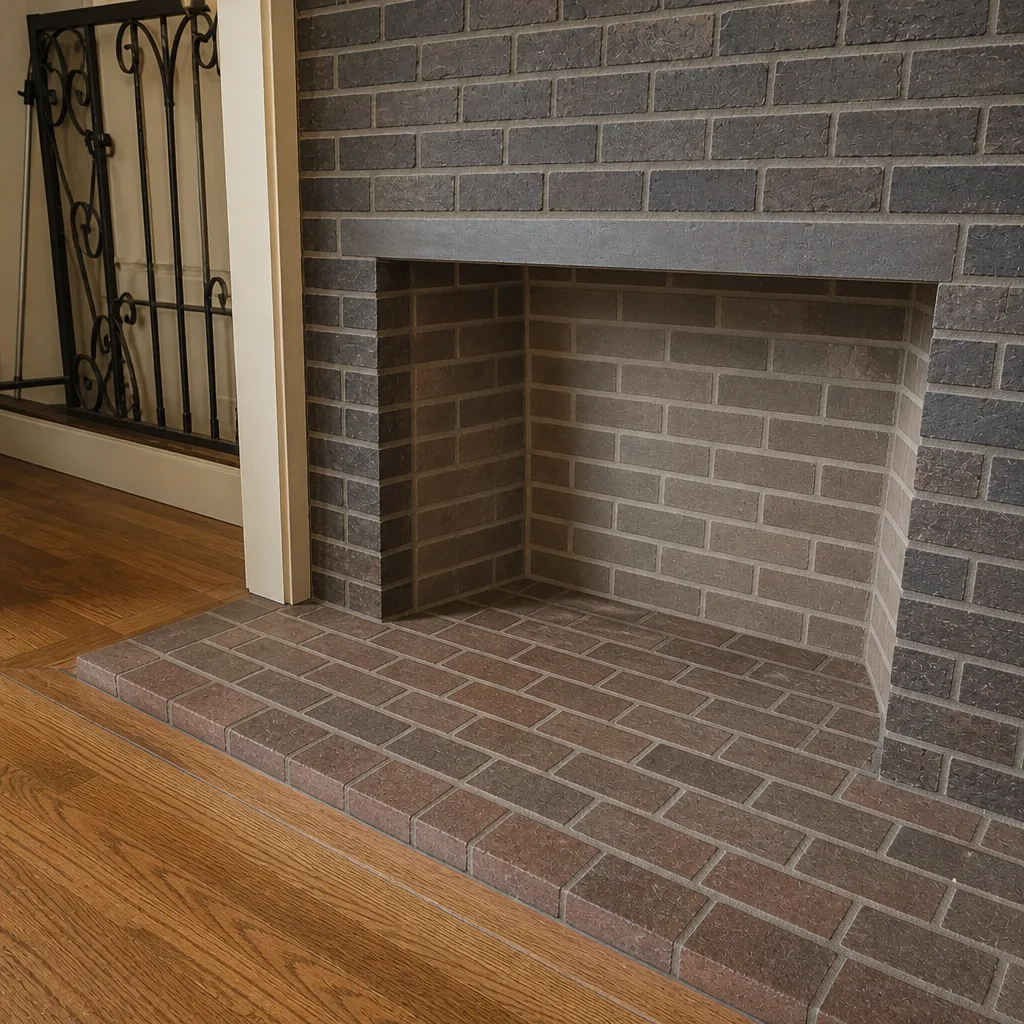 After
Frequently Asked Questions
A chimney sweep in North Hollywood typically ranges from $150 to $350 depending on flue condition, chimney height, and whether the fireplace has seen heavy use. The price is set per job by the written estimate, and any contractor offering a flat-rate $79 sweep is using it as a loss-leader to find repair work. Call (833) 589-9860 for an exact quote – estimates are free.
The National Fire Protection Association recommends an annual inspection and cleaning as needed, and that guidance applies regardless of how often you use your fireplace. In mild North Hollywood winters, many homeowners use their fireplaces less frequently, which can actually create different problems: less use means more time for animals to nest, moisture to accumulate, and the system to degrade without anyone noticing. An annual sweep catches these issues before they become repairs.
A camera inspection is not an upsell; it is the only way to see the inside of the flue. The flue is the vertical passage inside the chimney, and without a camera, no one can assess the liner condition, check for cracked tiles, or verify that the sweep actually removed the creosote. A contractor who sweeps without a camera is working blind and asking you to trust them on it.
Skipping chimney cleaning allows creosote to accumulate, and creosote is combustible. In a wood-burning fireplace, heavy creosote buildup can ignite a chimney fire that damages the flue and threatens the structure. In a gas fireplace, acidic residue can corrode the liner over time. The longer the buildup sits, the more expensive the eventual remediation becomes. Call (833) 589-9860 to schedule a sweep and get ahead of it.
Many repairs can be scheduled immediately after the inspection, and some can be completed during the same visit if the materials are on the truck and the repair is straightforward. A repair-capable contractor keeps the process moving without handing you a report and a referral. Fast dispatch runs from 7am to 7pm, Sunday through Friday.
Yes, because the issue is not only how often you use the fireplace but what happens during the time it sits idle. Unused chimneys collect debris, become nesting sites for animals, and develop moisture problems that go unnoticed because no one is looking. An annual sweep is an inspection that happens to include a cleaning, and the inspection component is what protects your home.
The Bottom Line
Hiring a chimney cleaning contractor in North Hollywood comes down to asking the right questions before anyone gets on your roof. Verify CSIA or NFI certification and California licensing. Ask about equipment: HEPA vacuum and camera system are non-negotiable. Require a written report with visual evidence before agreeing to any repair. Ask which material brands they source, because DuraFlex, HeatShield, Gelco, and Famco are not interchangeable with hardware-store substitutes. Watch for door-to-door solicitation, low flat-rate bait, and same-day pressure tactics. A repair-capable sweep with professional-grade sourcing keeps accountability in one place from inspection to finished repair. Call (833) 589-9860. We answer 24/7. Fast dispatch from 7am to 7pm, Sunday through Friday.
Written by the team at Ashford Chimney Sweep, serving North Hollywood since 2012.