
Last updated November 5, 2026
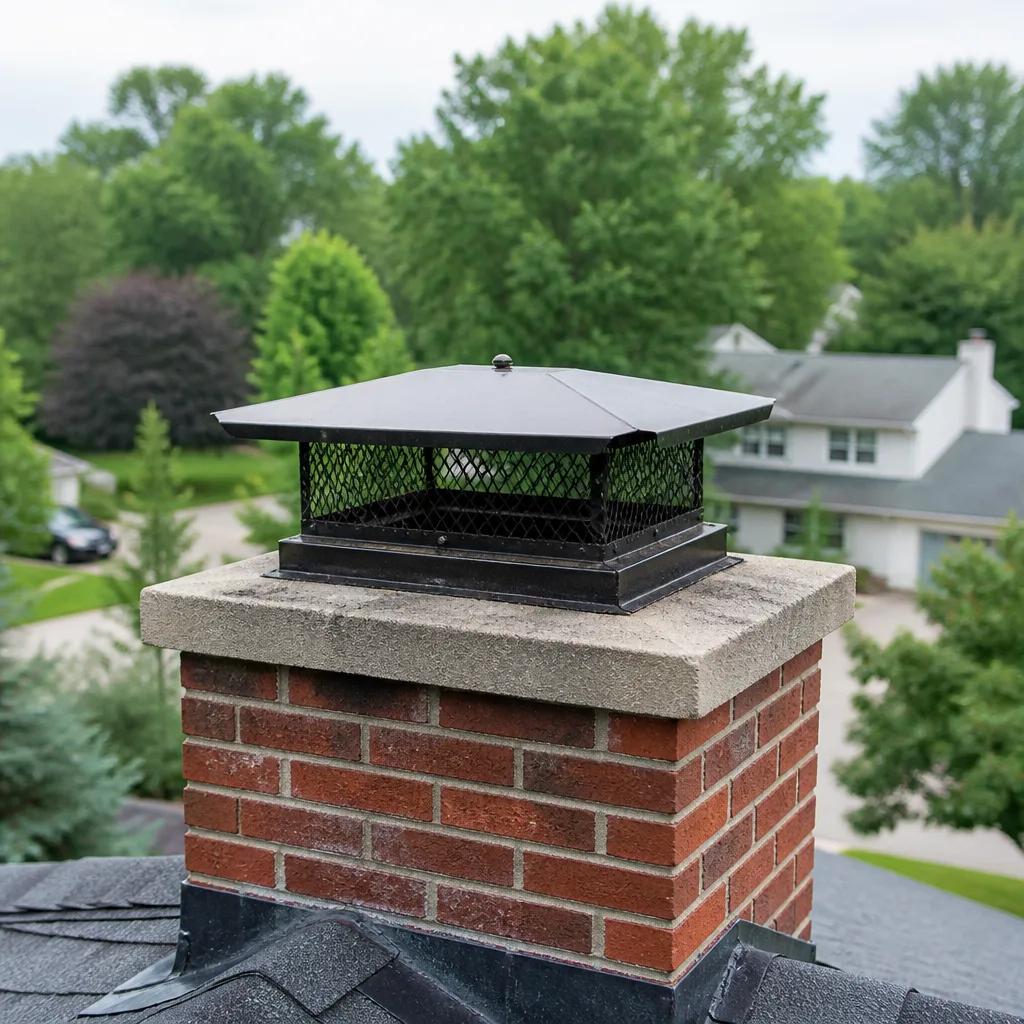 Sweep & inspection
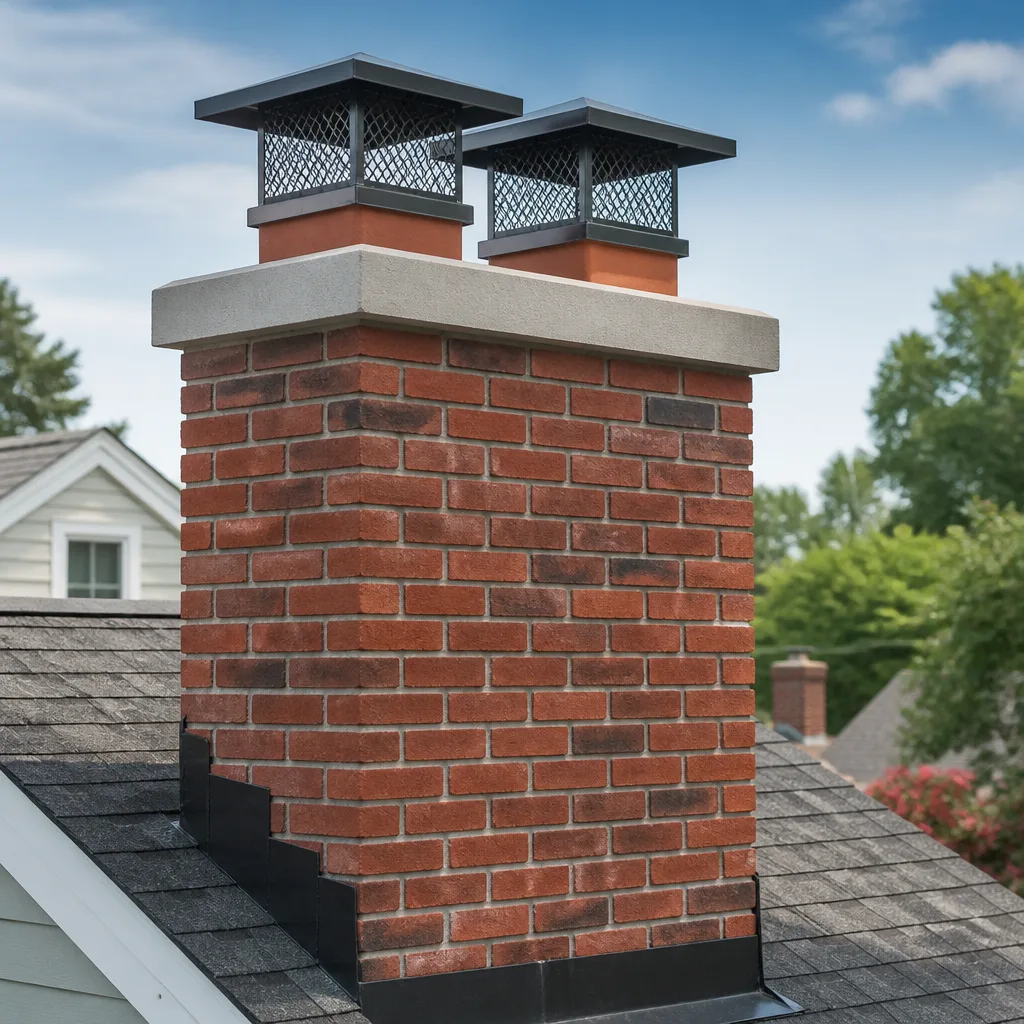 Caps & crowns
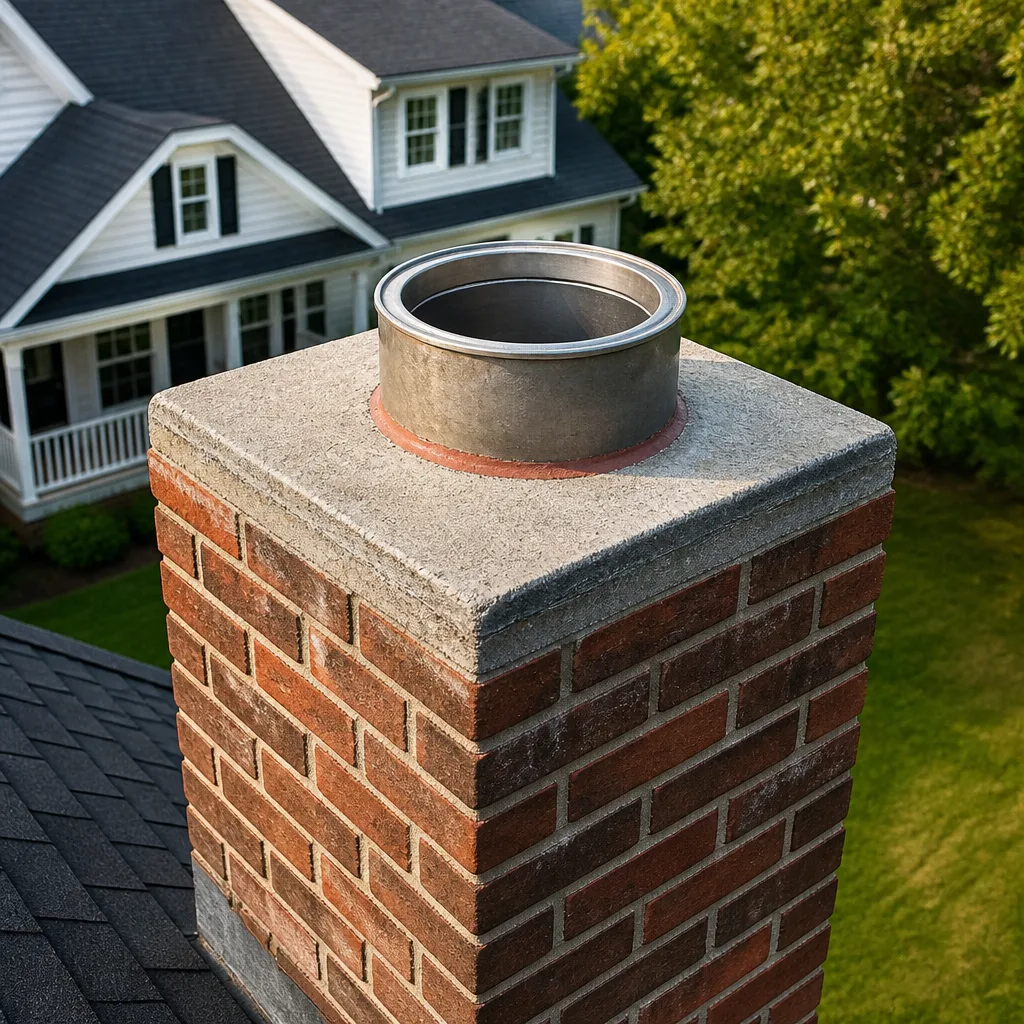 Flue relining
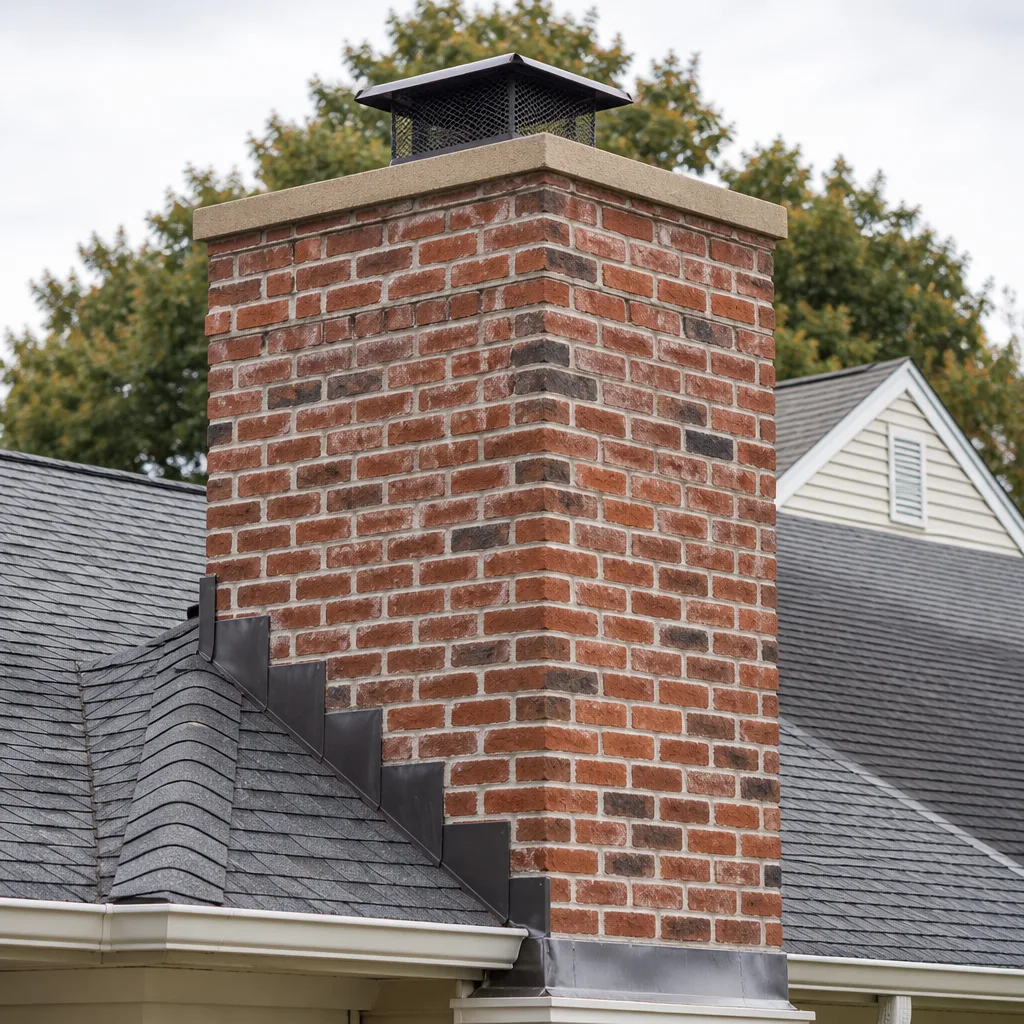 Masonry repair
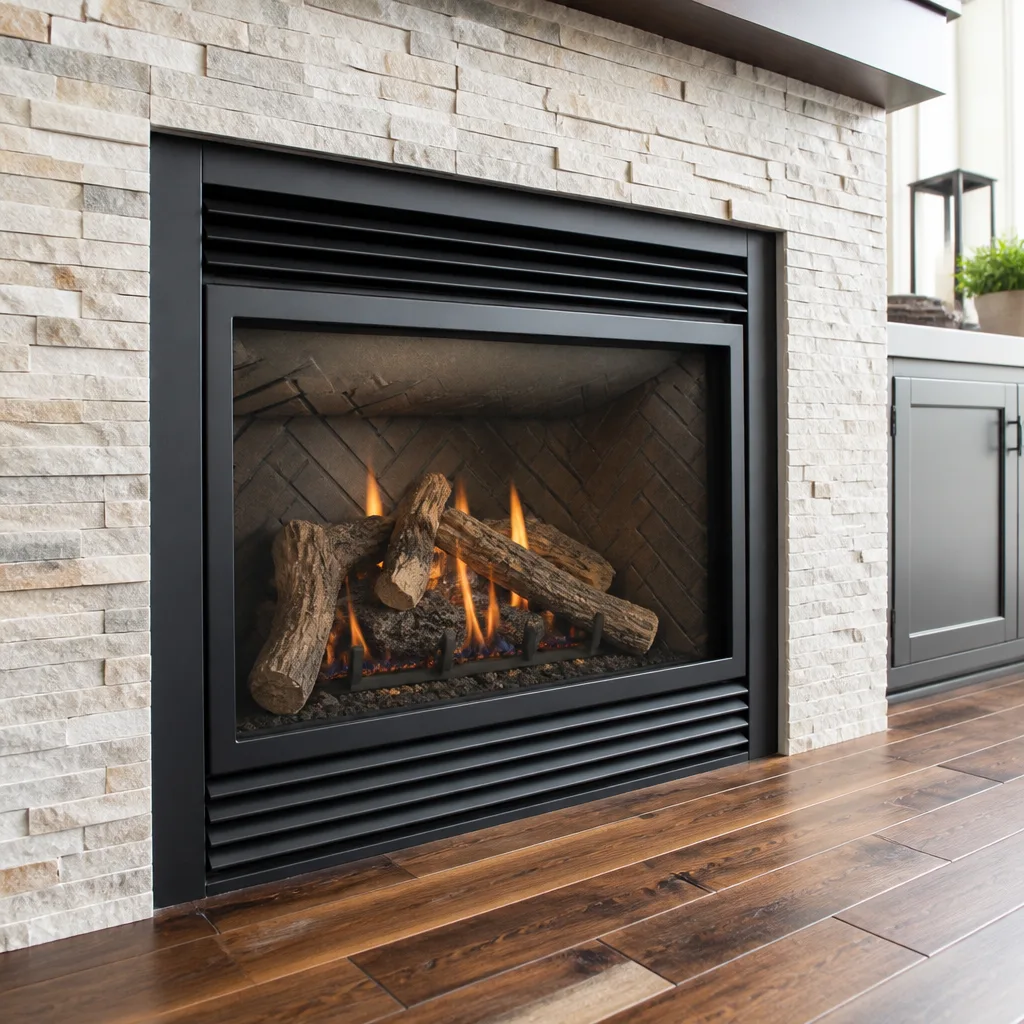 Gas fireplace service
Level 1 sweep and inspection to the NFPA 211 annual standard - flue, crown, cap, and flashing checked and photographed
Chimney sweep logs do not sweep chimneys. They loosen some creosote - which then falls where a brush and vacuum still have to collect it.
Chimney Cleaning Permits, Codes & Inspections in North Hollywood, CA: What You Need to Know
Most people assume a chimney sweep shows up with brushes, cleans the flue, and drives away with no government paperwork involved. That assumption is correct right up until the sweep finds a cracked liner or firebox damage. In North Hollywood, the line between a routine cleaning and regulated repair work sits closer than you think, and crossing it without the right permit can follow you into a sale, a refinance, or an insurance claim years later. This guide maps out exactly where that line sits under Los Angeles County building codes and California fire codes, what the inspection standards actually require, and how to protect yourself from undocumented work on your own property.
Quick Answer
Routine chimney cleaning and a standard visual inspection do not require a permit in North Hollywood. A permit becomes necessary when work moves into repair or replacement territory: relining a flue, rebuilding a firebox, altering masonry, or changing the venting configuration. California fire code and NFPA 211 set the clearance, clearance-to-combustibles, and cap requirements that apply to North Hollywood properties, and undocumented repair work can surface as an unpermitted improvement on a property disclosure when you sell.
Styles & brands we work with
- Sweep & inspection
- Caps & crowns
- Flue relining
- Masonry repair
- Gas fireplace service
Table of Contents
- Cleaning vs. Repair: Where the Permit Threshold Actually Sits
- California Residential Fire Code Requirements for North Hollywood
- NFPA 211: The Inspection Standard California Insurers Reference
- Title and Homeowner’s Insurance Implications of Undocumented Chimney Work
- How to Verify a Contractor Pulled the Correct Permit Before They Start
- Common Mistakes to Avoid
- When to Call a Professional
- Frequently Asked Questions
Cleaning vs. Repair: Where the Permit Threshold Actually Sits
The Los Angeles Department of Building and Safety draws a bright line between maintenance and modification. Sweeping a flue, removing creosote, and running a camera inspection are maintenance tasks. They change nothing about the structure. No permit needed, no inspection required, no record created with the city. That covers the vast majority of what a chimney sweep does on a typical visit.
Repair is different. The moment you alter or replace a component of the chimney system, the work becomes a modification to an existing structure, and Los Angeles County generally treats modifications to chimneys, fireplaces, and venting systems as regulated work. A stainless liner replacement is a modification. A firebox rebuild with new refractory panels is a modification. Replacing a damaged masonry crown with new concrete work is a modification. These trigger permit requirements in most cases.
The distinction matters because working without a permit where one is required is not a victimless administrative error. The city can issue a stop-work order. The work can fail a subsequent inspection and need to be redone. If you sell the house, the unpermitted work may have to be disclosed, and buyers and lenders increasingly scrutinize unpermitted modifications to fire safety systems. The cost of a permit is a fraction of the cost of untangling a disclosure problem later.
In our experience, the most common surprise for North Hollywood homeowners is liner work. A homeowner books a cleaning, the camera shows a cracked clay liner, and the contractor says they can drop in a stainless liner as a same-day fix. If that contractor does the work without pulling a permit, the homeowner has just paid for an improvement that technically does not exist on any city record. That is not a position you want to be in.
California Residential Fire Code Requirements for North Hollywood
The California Residential Code and the California Fire Code apply to every single-family home in North Hollywood, and they contain specific provisions for chimneys and fireplaces. Most of these provisions exist to keep fire inside the appliance and away from the framing of your house.
The fire code requires specific clearances between a chimney and any combustible material. The exact clearance depends on the chimney type and the appliance it serves, but the principle is consistent: heat must have a defined, uninterrupted distance before it touches wood, drywall, insulation, or anything else that can burn. North Hollywood homes run the gamut from 1940s bungalows to 21st-century builds, and older construction frequently predates current clearance standards. That means a chimney that was code-compliant in 1950 may not meet the standard today.
Cap installation is another fire code issue. A residential chimney in California that serves a solid-fuel appliance needs a cap or spark arrestor that meets the minimum mesh size specified in the code. The cap serves two functions: it keeps rain and animals out of the flue, and it prevents embers from escaping onto the roof. In a dry climate with Santa Ana winds, that ember function is not theoretical. North Hollywood sits in a fire-conscious region, and a missing or damaged spark arrestor is one of the easiest items to flag on an inspection and one of the simplest to fix.
Venting changes trigger code review too. If you are switching a wood-burning fireplace to gas logs, or converting a firebox to a gas insert, you are changing the venting characteristics of the appliance. The installation must follow the manufacturer’s listed instructions and the code’s venting requirements. That is a permitted job, not a weekend DIY project, even if the appliance itself is a drop-in unit.
NFPA 211: The Inspection Standard California Insurers Reference
NFPA 211 is the National Fire Protection Association standard for chimneys, fireplaces, venting systems, and solid fuel-burning appliances. California does not adopt NFPA 211 as state law in the way it adopts the California Building Code, but insurers, inspectors, and attorneys use it as the benchmark for what a proper chimney inspection and maintenance program looks like. If you ever have a chimney-related fire claim, expect the adjuster to ask whether the chimney was maintained to NFPA 211’s standards.
NFPA 211 divides chimney inspections into three levels, and the distinction between them is one of the most useful things a homeowner can understand.
- Level 1 inspection: A visual check of the readily accessible portions of the chimney interior and exterior. This is the standard inspection performed during a routine cleaning when the appliance and venting have not changed since the last inspection.
- Level 2 inspection: Adds accessible attics, crawl spaces, and basements, and typically includes video scanning of the flue interior. NFPA 211 requires a Level 2 inspection when the property is sold or transferred, when the appliance changes, or after a chimney fire, earthquake, or weather event that may have damaged the system.
- Level 3 inspection: An invasive inspection that opens concealed areas of the chimney or building when a Level 1 or Level 2 inspection suggests a hidden hazard that cannot be evaluated any other way.
For North Hollywood specifically, the Level 2 standard is relevant every time a property changes hands. Real estate transactions in Los Angeles County move fast, but selling a home with a chimney that has never had a video inspection is a gamble. Cracks in a clay liner do not announce themselves. They show up on a camera feed, and then they show up on a repair estimate. When we repair what the camera finds, we use professional-grade materials like HeatShield ceramic restorative for liner repair and DuraFlex liner systems for full relining. Those products exist because the inspection standard exists, and because insurance companies expect the repair to meet the standard.
Title and Homeowner’s Insurance Implications of Undocumented Chimney Work
An unpermitted chimney repair becomes a legal problem through a surprisingly boring mechanism: the California property disclosure process. When you sell a home in North Hollywood, you sign documents that ask whether any work on the property was done without a permit. A relined chimney, a rebuilt firebox, or a modified venting system done without a permit is a truthful yes answer, and now the buyer’s lender wants to know more.
Lenders care because unpermitted work raises doubts about whether the work was done safely and to code. The bank may require a retroactive permit, which is not always possible for work that has already been completed and covered up. If a permit cannot be issued retroactively, the lender may require the work to be redone by a licensed contractor with a permit, which means paying for the same job twice.
Title insurance does not cover unpermitted work. A title policy insures the ownership history of the property, not the condition of the chimney. If a buyer discovers after closing that the chimney was relined without a permit and the work fails, that buyer is generally looking at their own homeowner’s insurance or the seller’s disclosure liability. Both are expensive places to be.
Homeowner’s insurance is a separate issue. A chimney fire caused by a structural defect that the homeowner knew about or should have known about can complicate a claim. If a contractor documented a cracked liner and the homeowner declined repair, and then a fire occurs, the insurer has a basis to question the claim. That is not scare-mongering. That is how claims work. The best defense is a documented inspection and a repair record that matches it.
The practical takeaway for North Hollywood homeowners is simple: cleaning does not need a permit, but every repair that alters the chimney system should, and the paper trail is worth more than the permit fee. If you are planning to sell or refinance within a few years, treat any chimney repair as a transaction-level decision, not a maintenance-level decision.
How to Verify a Contractor Pulled the Correct Permit Before They Start
You have hired a contractor to reline a chimney or rebuild a firebox. The contractor says a permit is required. Now you need to know the permit actually exists before work begins. Here is the process.
- Ask for the permit number before the job starts. A legitimate contractor pulls the permit before starting the work, not after. If the contractor claims the permit will be pulled on day one of the job, ask for the number first.
- Check the Los Angeles Department of Building and Safety online permit search. LADBS maintains an online database where you can search permits by address. Enter your North Hollywood property address and confirm that a permit has been issued for the scope of work described.
- Match the permit description to the work described. A permit for masonry repair is not a permit for a liner replacement. Read the permit scope and make sure it matches what the contractor is actually doing.
- Confirm the inspections schedule. A permitted chimney repair typically requires at least one inspection after the work is roughed in and before it is covered. Ask the contractor when the inspector will visit and who schedules it.
- Get a copy of the final sign-off. When the work is done and the city inspector approves it, the permit is finalized. Keep that record. It is the paper trail that proves the work was done legally.
A contractor who says a liner replacement does not need a permit in North Hollywood is giving you a reason to pause. The city’s own guidance treats flue relining and firebox reconstruction as regulated work. A contractor who says permits are unnecessary is either uninformed or trying to avoid the cost and delay of inspection. Neither is good for you.
Common Mistakes to Avoid
- Assuming all chimney work is unregulated. Cleaning is unregulated, but repairs and modifications are not. Treat the two categories differently from the start.
- Letting a contractor proceed without a permit when repair work is being done. Once the work is covered or completed, the retroactive permit path becomes much harder and sometimes impossible without removing finished work.
- Skipping the Level 2 inspection before buying a North Hollywood home. The real estate market moves fast, but a video scan of the flue takes an hour and can reveal a repair obligation before the papers are signed.
- Treating a missing chimney cap as cosmetic. A cap with a damaged or missing spark arrestor is a fire code issue and an open invitation for rain and wildlife. The fix is inexpensive relative to the damage it prevents.
- Ignoring dryer vents as a fire risk. A clogged dryer vent is one of the most common causes of house fires in the US, and it has nothing to do with your fireplace. Dryer vent cleaning is part of the same fire-safety discipline as chimney maintenance, and it is one of the highest-value services a homeowner can buy for under a hundred dollars.
- Hiring a generalist to do chimney repair. A chimney system involves the flue, the liner, the cap, the crown, and the venting. A generalist handyman does not stock professional-grade liner materials, and when something goes wrong, the connection between the work and the fire code is harder to trace.
When to Call a Professional
Call a professional chimney contractor when the camera sees something the brush cannot fix: a cracked flue liner, damaged firebox panels, a deteriorating crown, or a cap that has failed. These are not cleaning issues, and they are not problems that resolve themselves. Call a professional when you have bought a home with an existing fireplace and do not know its maintenance history, because a Level 2 inspection is the only way to establish the baseline. Call a professional when your dryer vent has not been cleaned in over a year, because dryer fires do not announce themselves ahead of time.
Ashford Chimney Sweep offers free estimates in North Hollywood. We inspect, we clean, and when we find damage, we repair what we find using professional-grade materials like DuraFlex liners, HeatShield restorative, and Gelco caps. Call (833) 589-9860 to book an estimate. We answer 24/7. Fast dispatch from 7am to 7pm, Sunday through Friday.
Frequently Asked Questions
No. Routine chimney sweeping and visual inspections are maintenance activities and do not require a permit from the Los Angeles Department of Building and Safety. A permit becomes necessary when the work moves into repair or modification, such as relining a flue or rebuilding a firebox.
Flue relining, firebox rebuilding, masonry repair that alters the chimney structure, and changes to the venting configuration generally require a permit. The permit ensures the work is inspected and documented, which protects you as a homeowner and as a future seller. Call (833) 589-9860 for a free estimate on any repair work that may need a permit.
Ask for the permit number before work begins, then verify it through the Los Angeles Department of Building and Safety online permit search using your property address. The permit scope should match the work being performed, and you should receive a final sign-off record when the inspection passes.
A Level 2 inspection includes video scanning of the flue interior and is required by NFPA 211 when a property is sold or transferred, when the appliance changes, or after a chimney fire or seismic event. It is the standard inspection for anyone buying a home in North Hollywood with an existing fireplace.
Yes. California property disclosures require you to report unpermitted work, and lenders may require retroactive permits or even a redo of the work with proper permits. The title insurance policy does not cover unpermitted conditions, which leaves the buyer’s homeowner’s insurance and the seller’s disclosure liability as the backstop.
While insurers do not typically ask for records upfront, a chimney fire claim can be complicated if the insurer finds evidence of a known structural defect that was not repaired. Keep a record of inspections, cleaning dates, and any repair work with the corresponding permits. The paper trail is worth more than the permit fee.
The Bottom Line
In North Hollywood, chimney cleaning is a permit-free maintenance task, but the moment it becomes repair work, the rules change. California fire code sets clearances and cap standards, NFPA 211 sets the inspection benchmark that insurers recognize, and Los Angeles County building code governs the repair work itself. The smartest move is to treat cleaning as maintenance and repair as regulated construction. Document everything, verify permits before work starts, and keep the records for as long as you own the home. That approach protects you from title surprises, insurance disputes, and forced rework when you sell.
Written by the team at Ashford Chimney Sweep, serving North Hollywood since 2012.
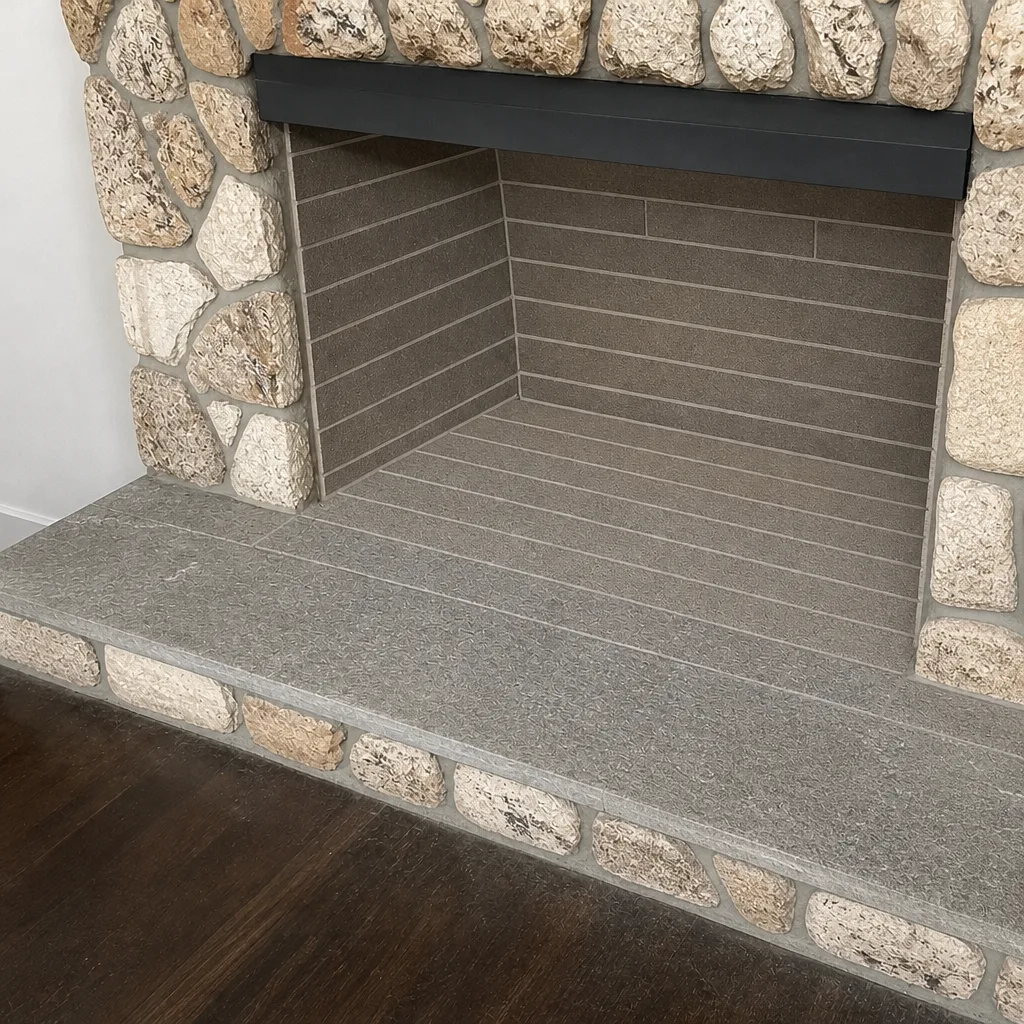
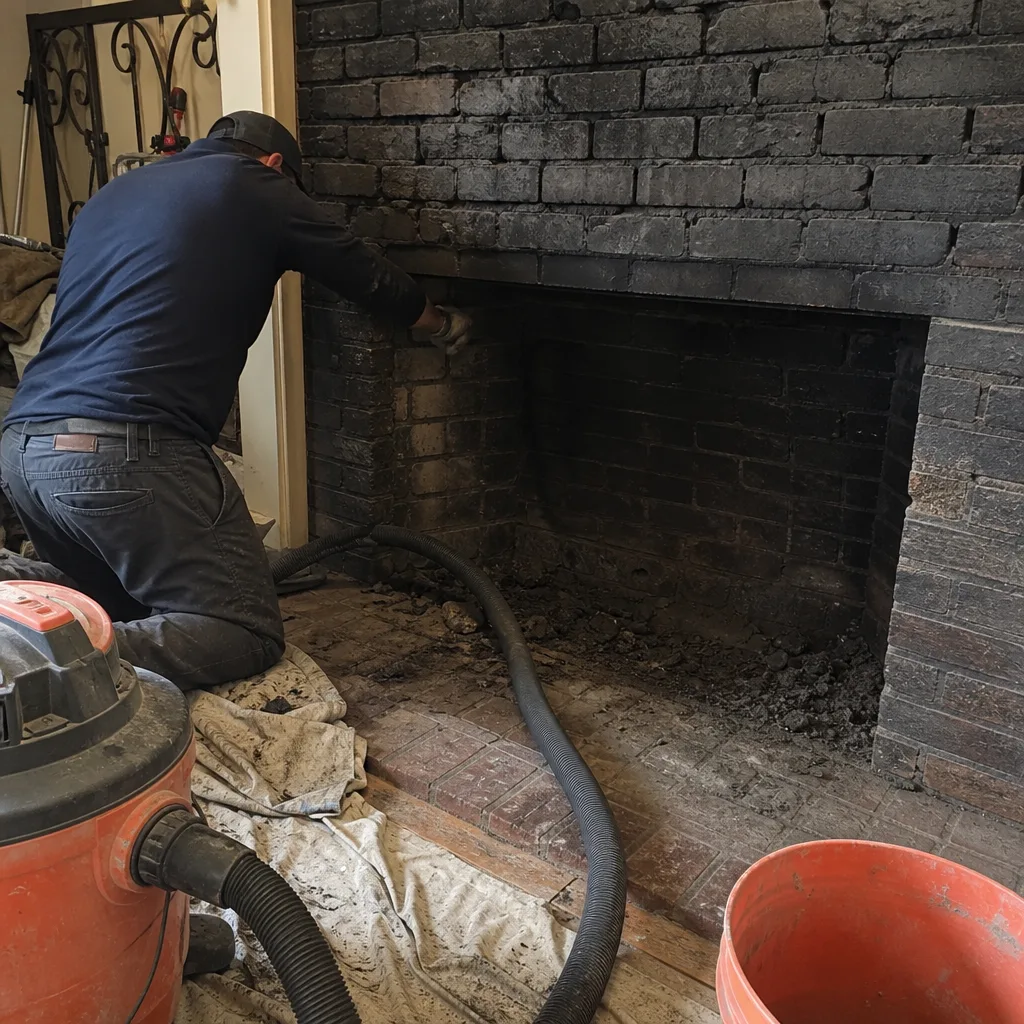
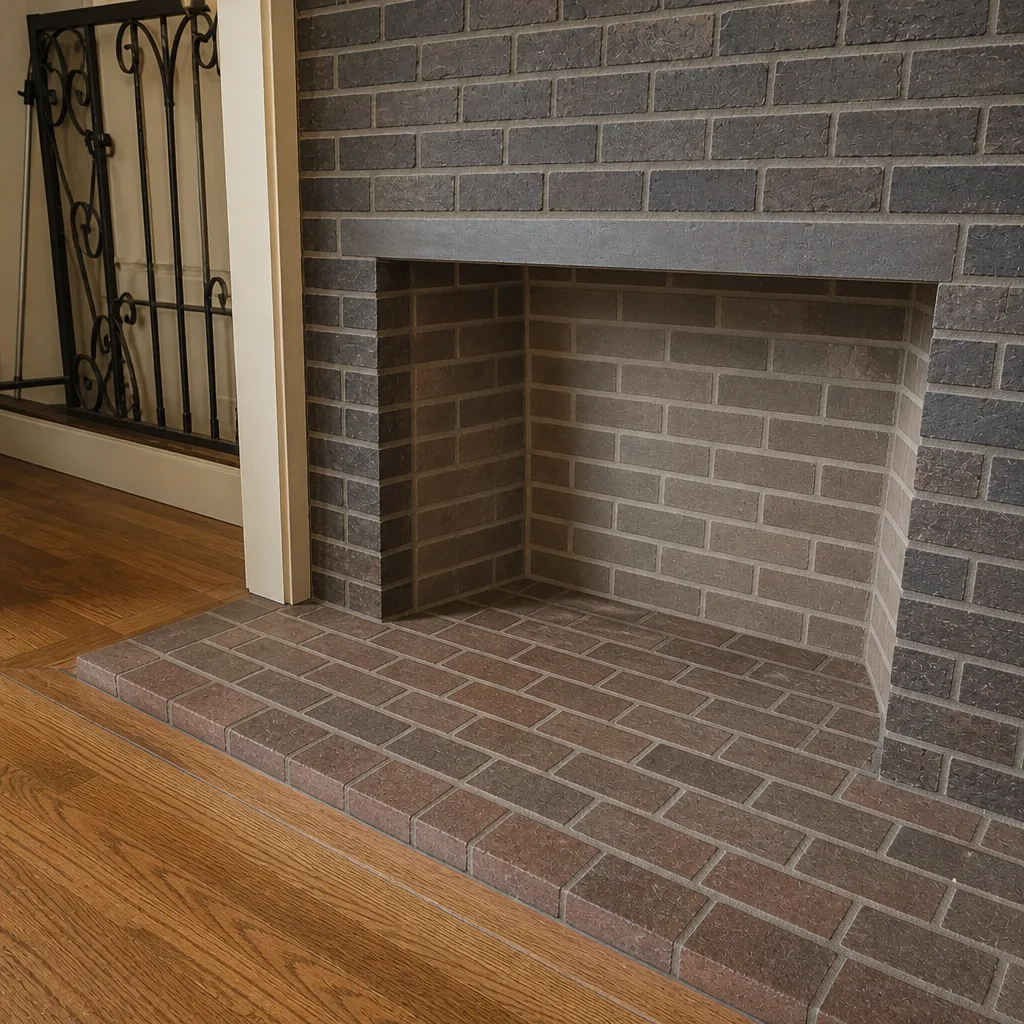
See the difference
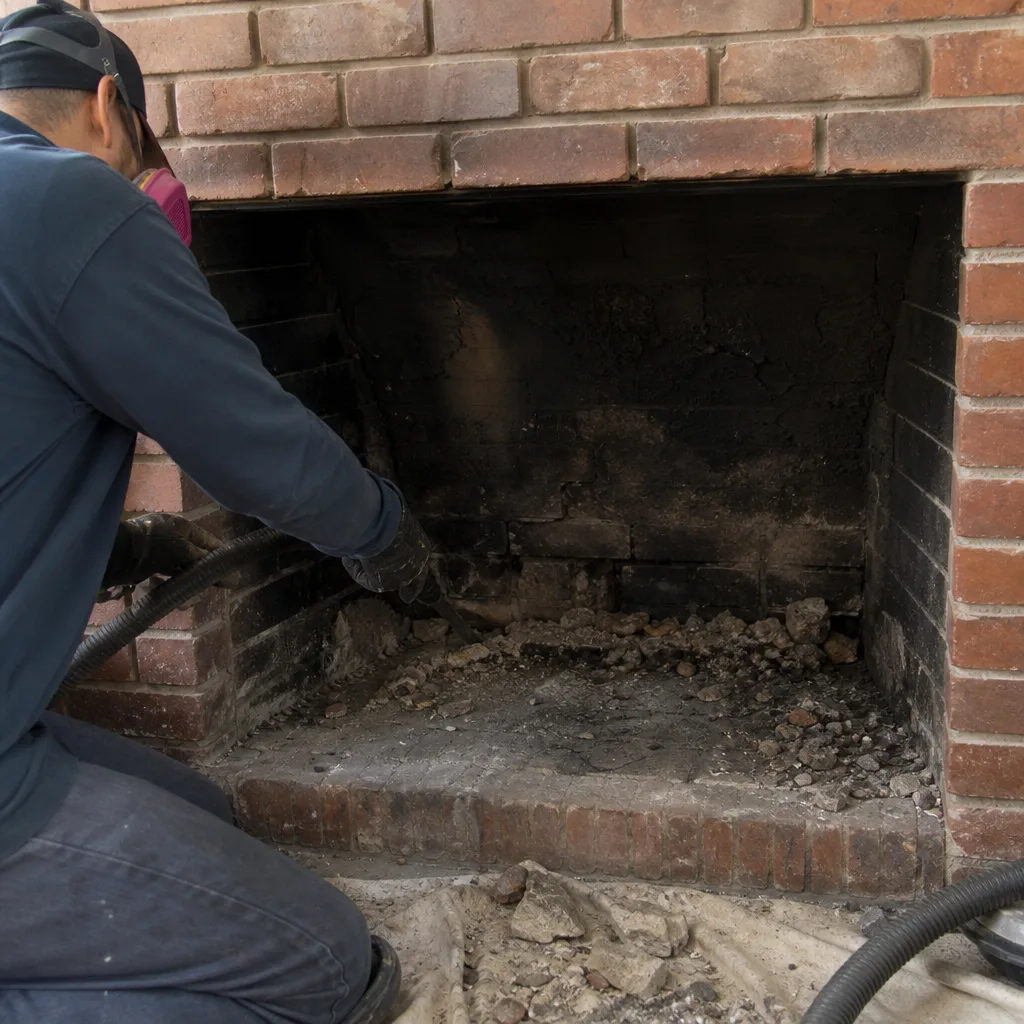 Before
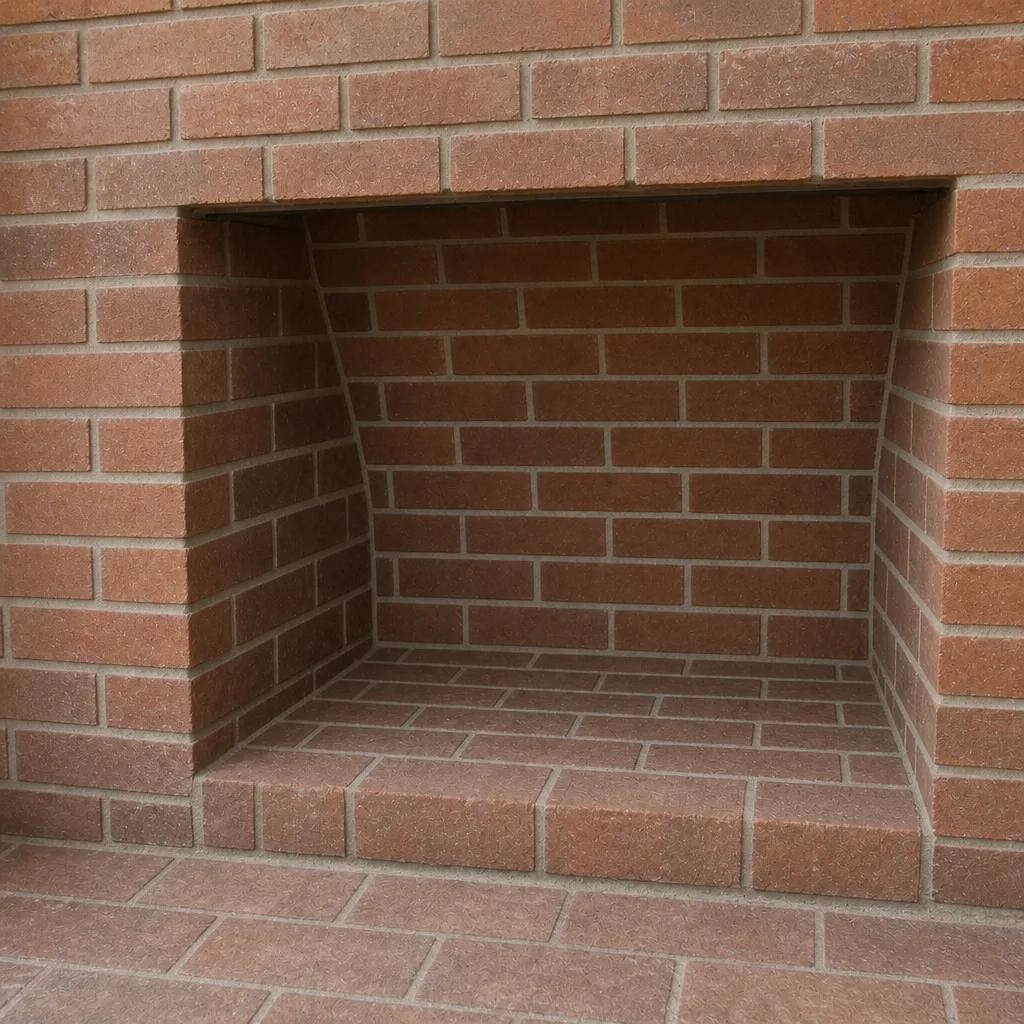 After
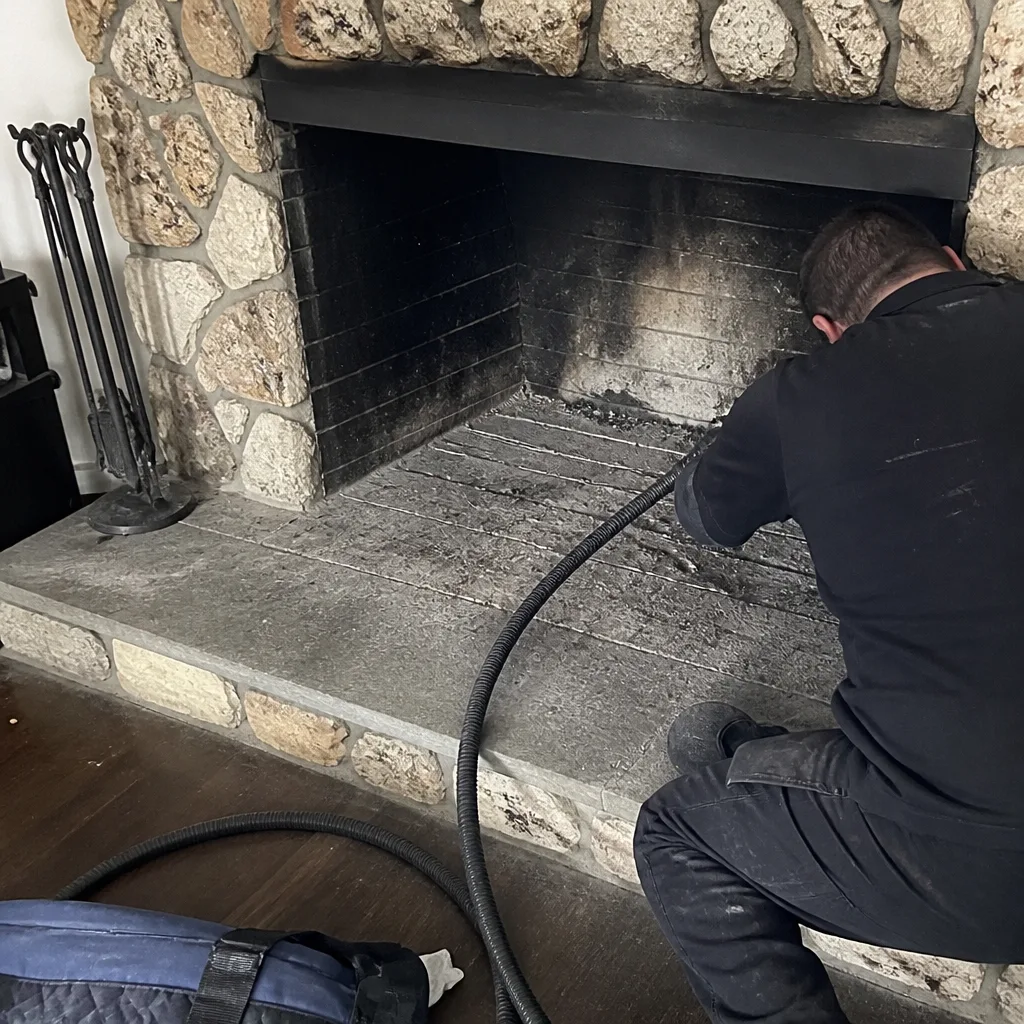 Before
 After
 Before
 After