
Last updated November 5, 2026
 Sweep & inspection
 Caps & crowns
 Flue relining
 Masonry repair
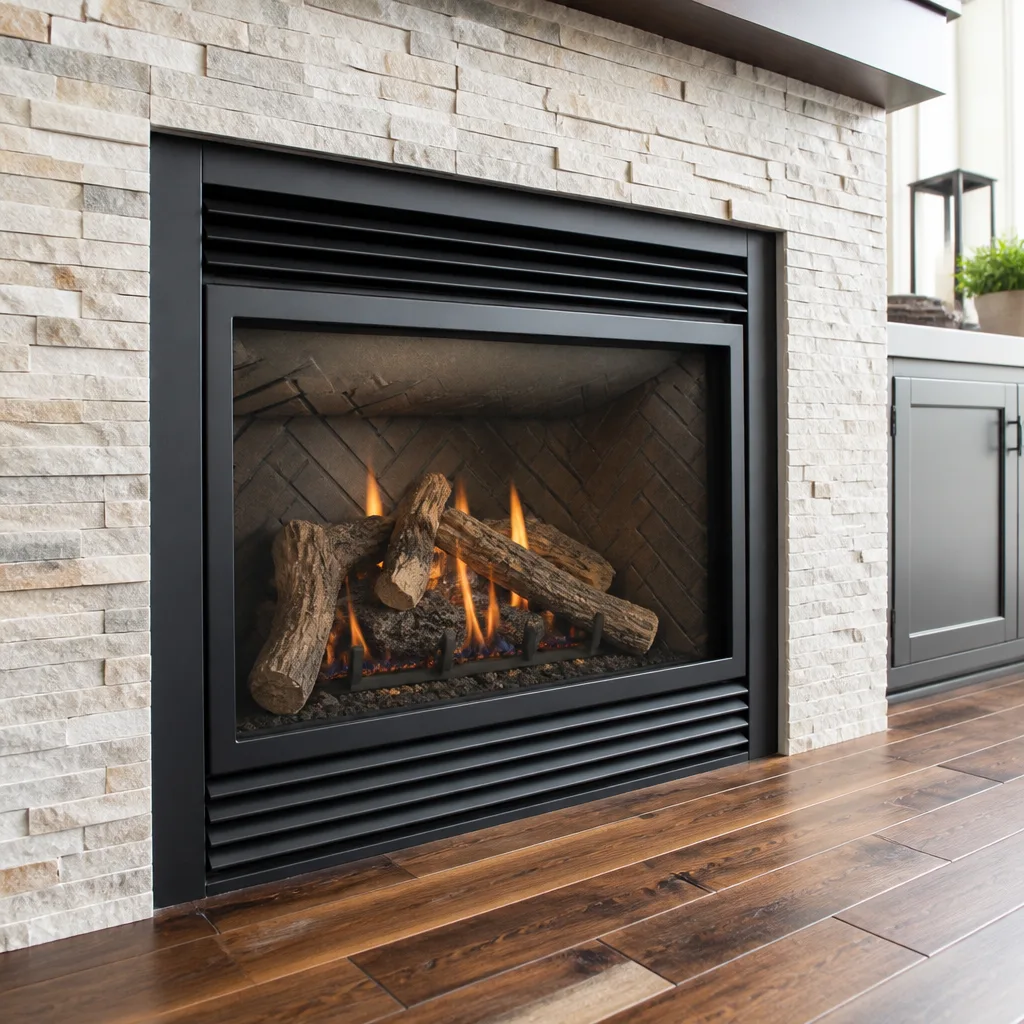 Gas fireplace service
Level 1 sweep and inspection to the NFPA 211 annual standard - flue, crown, cap, and flashing checked and photographed
Chimney sweep logs do not sweep chimneys. They loosen some creosote - which then falls where a brush and vacuum still have to collect it.
Chimney Sweep Maintenance Schedule: What to Do and When
If you’re scheduling your chimney sweep every October because that’s what the internet says, you may be paying for a cleaning you don’t need while skipping the inspection that actually matters. Most maintenance calendars treat every chimney as if it burns the same number of fires in the same climate, and that assumption costs homeowners in North Hollywood real money. The truth is simpler and more useful: your schedule should follow how you actually use your chimney system, not the month on the wall. This guide walks through what to check, what to clean, and when each task earns its cost, built around three use tiers that reflect how people here actually live with their fireplaces.
Quick Answer
A chimney used for occasional fires in North Hollywood should be inspected every year and swept every 2 to 3 years. A chimney used weekly during winter should be swept every year, and any home with a dryer needs its dryer vent cleaned annually regardless of fireplace use. The inspection is the part you cannot skip, because it finds liner damage, cap failure, and moisture entry while repairs are still cheap.
| Usage Level | Fires per Season | Inspection | Sweep Interval |
|---|---|---|---|
| Occasional | 1 – 5 | Annual | Every 2 – 3 years |
| Moderate | 6 – 15 | Annual | Every 1 – 2 years |
| Heavy | 16+ | Annual (or before major shifts) | Every year |
| Dryer Vent (all homes) | N/A | Annual visual + airflow check | Every year |
Styles & brands we work with
- Sweep & inspection
- Caps & crowns
- Flue relining
- Masonry repair
- Gas fireplace service
Table of Contents
- Why a calendar schedule fails (and what your use tier actually is)
- What a Level 1 vs. Level 2 chimney inspection actually means
- The parts beyond the flue that need scheduled attention
- Do this yourself vs. call a professional: a working checklist
- What changes for North Hollywood homes specifically
- What deferred maintenance actually costs when you wait
- Where dryer vent cleaning fits in your annual schedule
- How to think about seasons when you build your own schedule
Why a calendar schedule fails (and what your use tier actually is)
Chimneys do not wear out on a twelve-month rhythm. They wear out based on what passes through them: combustion gases, heat cycles, creosote, and the slow effects of moisture. A fireplace that burns three fires between Thanksgiving and New Year’s creates a very different chimney than one that burns every evening from November through March. Scheduling a sweep on a calendar date ignores that difference, and in a place like North Hollywood, where winters are mild and many fireplaces are decorative as much as functional, the calendar approach leads to either over-cleaning or under-inspecting.
Here is how to figure out what tier you’re in, and what it means for your schedule:
- Occasional use (1 – 5 fires per season): You light the fireplace for ambiance on cool evenings or holidays. Creosote buildup is minimal, but moisture entry and animal nesting are still live risks. Inspect annually; sweep every 2 – 3 years or whenever inspection shows 1/8 inch or more of creosote.
- Moderate use (6 – 15 fires per season): You use the fireplace regularly in winter but not constantly. Creosote accumulates, especially if you burn wood that isn’t fully seasoned. Inspect annually; sweep every 1 – 2 years.
- Heavy use (16+ fires per season): The fireplace is a primary heating source or you burn nearly every day. Creosote builds quickly and the flue sees constant thermal cycling. Inspect annually, sweep every year, and consider a mid-season visual check.
- Gas log inserts or gas fireplaces: These do not create creosote from wood, but they still need annual inspection of the venting, gasket, and gas line connections. The risk shifts from creosote to carbon monoxide and vent blockage.
In our experience, many North Hollywood homes fall into the occasional-use tier, and those are often the ones most at risk for exactly the problem a calendar-driven sweep misses: long gaps between professional eyes on the system. A chimney that sits unused for nine months is a chimney where a cap can fail, a bird can nest, or a small leak can open without anyone noticing. If you only call a sweep when you smell smoke or see soot, you are letting the system tell you it already has a problem, rather than catching it before it does.
What a Level 1 vs. Level 2 chimney inspection actually means
The schedule you choose hinges on the difference between a cleaning and an inspection, and the inspection is the part you should never skip. Under NFPA 211, the national standard for chimney systems, there are three levels of inspection. Most homeowners only ever experience Level 1, and most should have at least one Level 2 done, especially after buying a home or after any change to the chimney system.
Level 1 inspection is the one performed as part of a routine chimney sweep or annual maintenance visit. The technician examines the readily accessible portions of the chimney’s interior and exterior: the flue, the damper, the cap, the crown, and the visible masonry. There is no disassembly, no opening of walls, and no need for specialized access. A Level 1 inspection confirms that the chimney is adequate for the appliance currently connected to it and that no obvious deterioration has occurred since the last inspection.
Here is what a Level 1 includes in practical terms:
- Basic flue examination from the roof or firebox, looking for creosote accumulation, cracks, or blockages.
- Visual check of the chimney cap for missing screens, rust-through, or animal damage.
- Examination of the crown for hairline cracks or spalling (the surface flaking off).
- Check of the damper for free operation and proper seating.
- Look at the flashing where the chimney meets the roof for signs of water entry.
- Verification that the smoke chamber and firebox are sound and free of debris.
Level 2 inspection goes further. It is required when a property is sold or transferred, when the chimney system has undergone an event (a chimney fire, a lightning strike, an earthquake), when there is a change to the fuel type or appliance, or when a Level 1 reveals a condition needing closer study. A Level 2 includes everything in Level 1 plus examination of accessible attics, crawl spaces, and basements near the chimney, and it typically uses a camera to inspect the flue interior. Camera inspection is the difference between seeing the obvious creosote on the flue wall and discovering a cracked clay tile liner three feet up that you could never spot with a flashlight.
Homeowners in North Hollywood should think about a Level 2 under these conditions:
- You just bought the home. The previous owner’s maintenance habits are unknown, and the liner may not have been replaced since the home was built.
- You are switching from wood to gas, or gas to wood. Different fuels place different demands on the flue, and a liner adequate for one may be wrong for the other.
- You suspect a chimney fire ever occurred. Creosote burns at extremely high temperatures and can crack clay liners even if the fire was small and short.
- You changed the appliance. A new insert or stove changes the draft characteristics and may require a different liner size.
- It has been more than five years since any inspection beyond the basic sweep. The camera view catches what a visual check cannot.
A chimney sweep who is repair-capable will usually perform a camera inspection as part of a Level 2, and will show you the footage. That is the only honest way to verify a recommendation. If someone tells you that you need a new liner and cannot show you why on a screen, ask for it. Without camera evidence, there is no recommendation.
The parts beyond the flue that need scheduled attention
A chimney system is more than the tube the smoke climbs. It is a structure with a crown, a cap, flashing, a damper, a smoke chamber, and masonry, and each of those has its own maintenance interval. Skipping the non-flue parts is how homeowners end up with water stains on the ceiling, rusted dampers, and spalled brick that costs far more than a sweep would have. Most chimney deterioration starts at the top with water, not in the flue with soot.
Here is what needs scheduled attention and what it looks like when it is neglected:
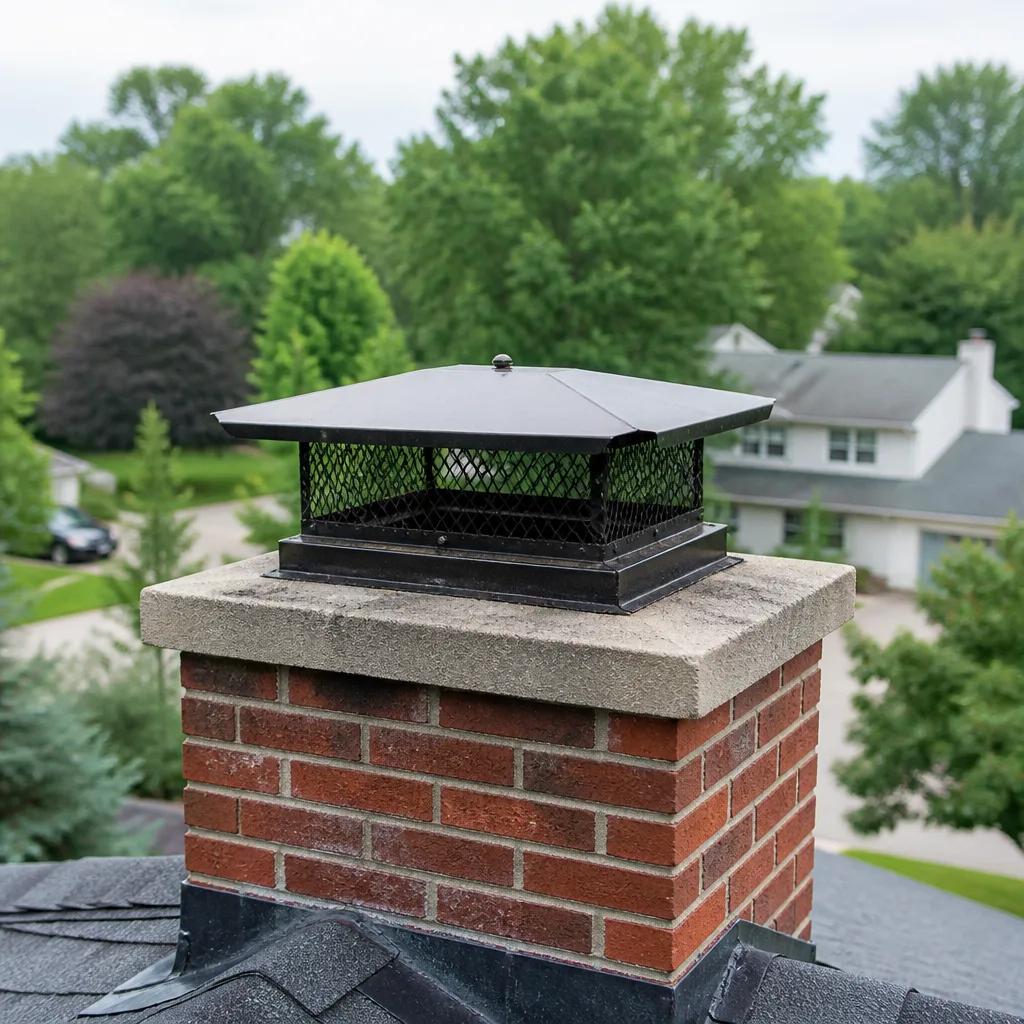
- Chimney cap: The cap keeps rain, birds, and debris out of the flue. A missing or damaged cap lets water run directly down the flue, and water plus creosote creates an acidic slurry that attacks the liner. Caps should be checked at every inspection and replaced when the mesh is rusted through or the cover is missing. In our service area, we see caps rusted out on chimneys that have never been swept because nobody looked from the roof.
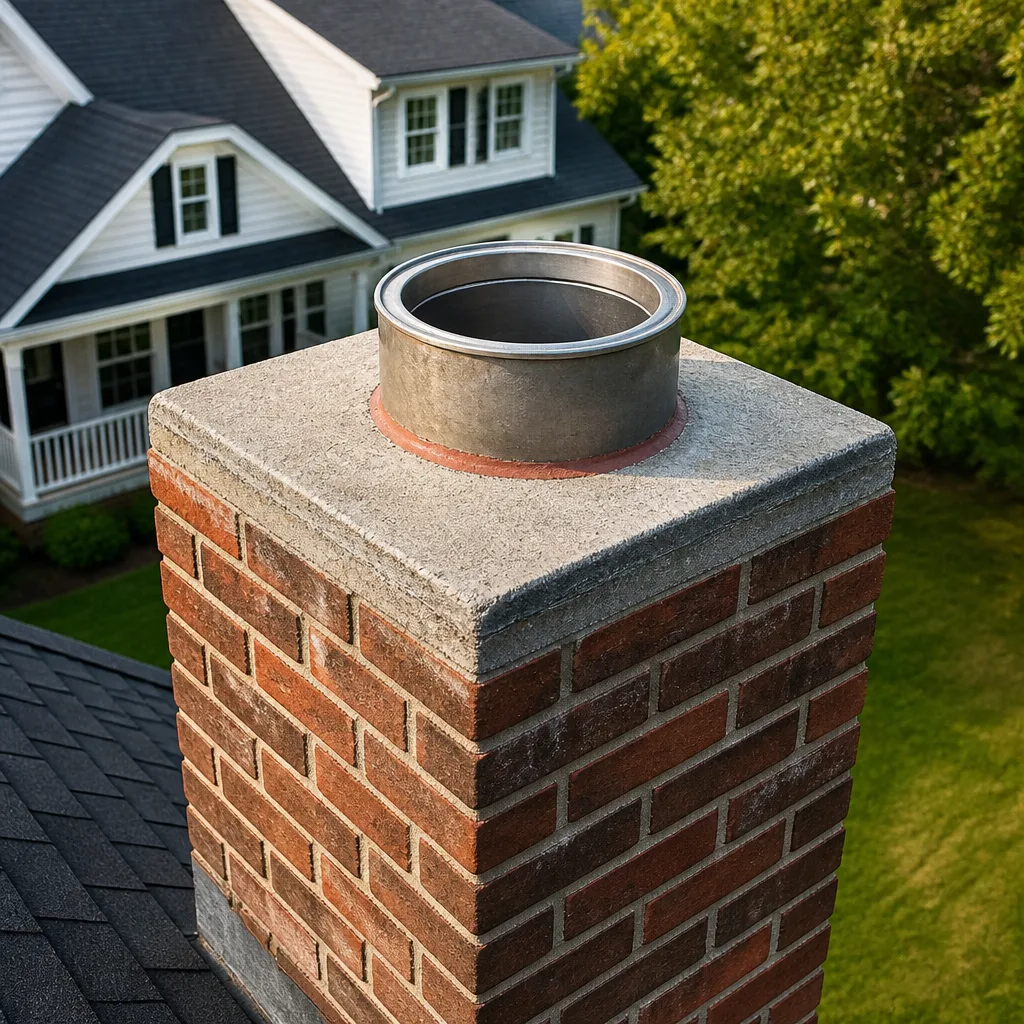
- Chimney crown: The crown is the concrete slab that caps the masonry. Hairline cracks let water into the brick below, and a cracked crown is one of the most common findings on a Level 1 or Level 2. A cracked crown you repair early costs a few hundred dollars to resurface. A crown you ignore will eventually let water into the brick, and fixing spalled brick and repointing can run into thousands.
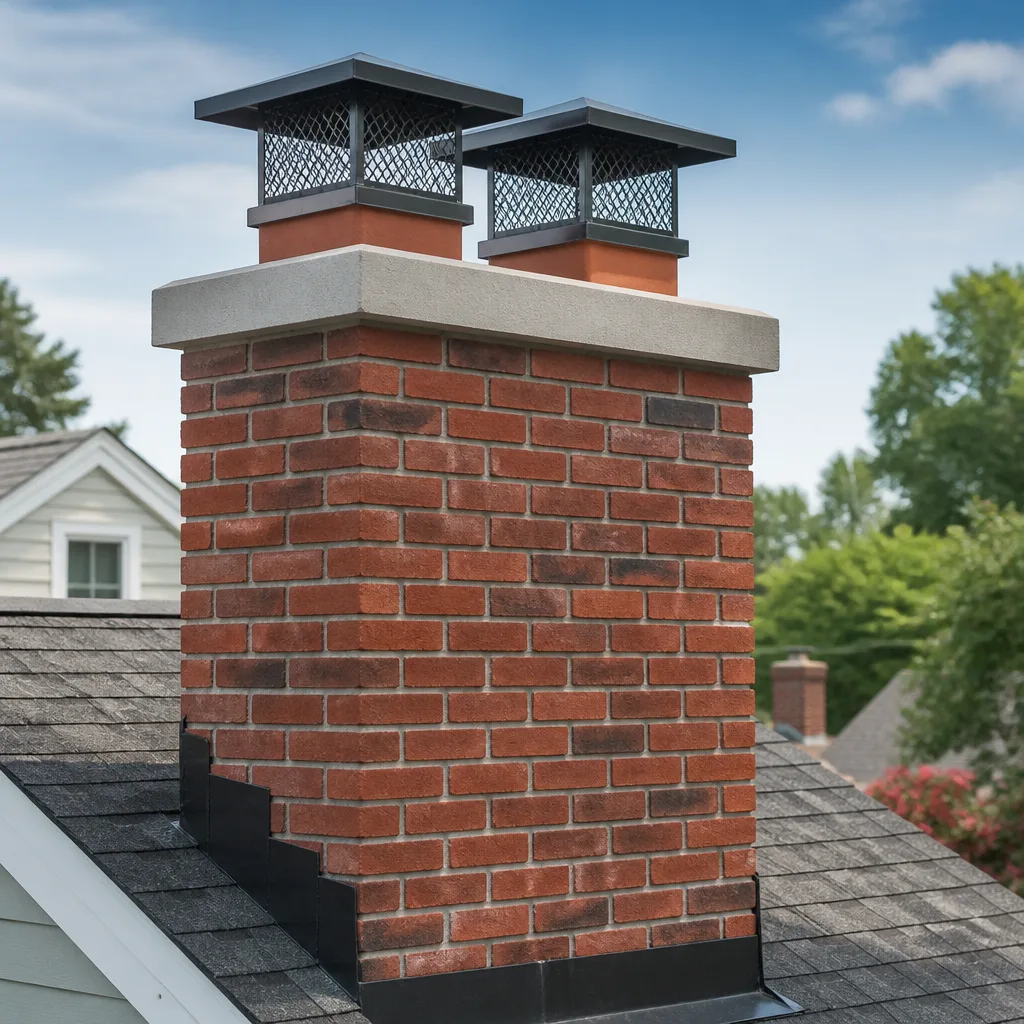
- Flashing: The metal that seals the chimney where it meets the roof has a working life of about 20 years, depending on the material. When flashing fails, the leak is often mistaken for a roof problem. Water follows the chimney down into the ceiling or wall. Flashing should be checked annually from the roof, and replaced when the sealant is cracked or the metal is torn.
- Damper: The damper seals the fireplace from the outside air when the system is not in use. A warped or rusted damper lets heated or cooled air escape year round, and it lets downdrafts push smoke into the house when you do light a fire. Dampers should be checked for free operation at every inspection.
- Smoke chamber: The stepped area above the firebox and below the flue collects creosote and soot, and most chimney sweeps from the top down do not fully clean it unless the technician works from below as well. A proper sweep includes the smoke chamber, because creosote there can ignite just as easily as creosote in the flue.
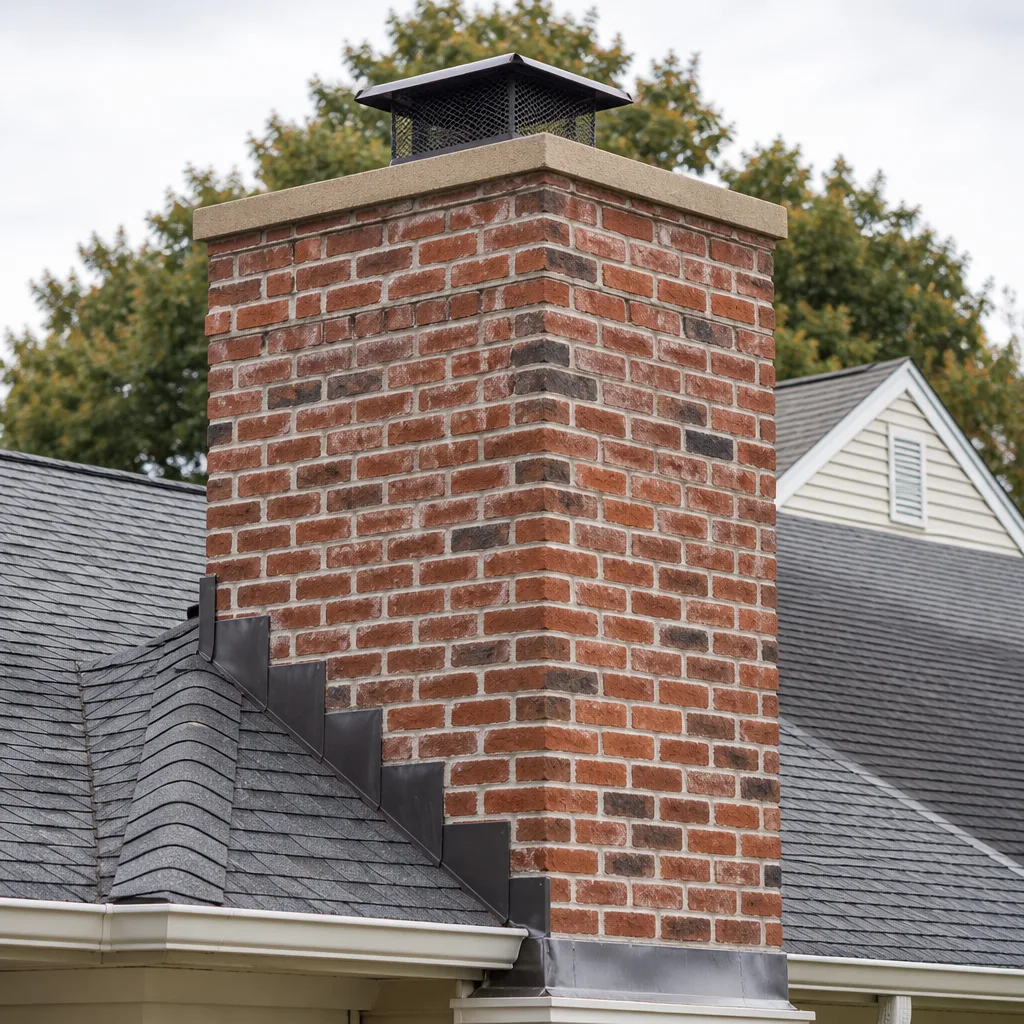
- Masonry and mortar: Brick and mortar absorb water. Over time, the face of the brick spalls off and the mortar joints soften. Repointing is a normal, expected part of chimney ownership, not a sign something was done wrong. It should be evaluated at every inspection.
The common thread through all of these is water, and the fix is always cheaper before you see the stain. If you are going to schedule one thing this year besides the sweep, make it a visual inspection from the roof of the cap, crown, and flashing.
Do this yourself vs. call a professional: a working checklist
Some parts of chimney maintenance are safe for a homeowner to check, and some are not. Here is a working checklist divided into what you can do from the ground with a flashlight and what calls for a professional on the roof with the right equipment. The goal is not to replace the annual inspection; it is to keep you aware of changes between inspections so you know when to call early.
Do this yourself
- Look up from the firebox with a flashlight. You are checking for obvious creosote: shiny black or brown tar-like buildup more than 1/8 inch thick. If you see it, call for a sweep.
- Check the damper. It should open and close freely and stay in the position you set. If it is rusted in place or wobbles, note it for the next inspection.
- Look at the exterior chimney from the ground. Check for missing bricks, cracked mortar, or white staining (efflorescence) that signals water moving through the masonry.
- Check the firebox walls for cracks or missing mortar. Hairline cracks are common, but gaps you can put a coin into are not.
- Check the area around the fireplace for water stains or discoloration. If the ceiling above the firebox or the wall beside it shows staining, water is getting in somehow.
- Check the dryer vent exhaust outside. When the dryer runs, the flap should open and you should feel strong airflow. If it barely moves, the vent is restricted.
- Note any smoke smell or backdraft when the fireplace is not in use. That can mean a failed damper or a blocked flue, and it is worth a call.
Call a professional for
- Any access that requires a ladder over one story or working at height. A fall from a roof is a life-altering injury. Hire the sweep who is insured and equipped for roof work.
- Creosote removal. Creosote is flammable, often carcinogenic, and hard to remove without the proper brushes and rods. Professional tools exist for a reason.
- Liner inspection and camera work. You cannot see a cracked clay liner without a camera, and you cannot buy the camera that fits the flue at a hardware store for a reasonable price.
- Cap, crown, or flashing repair. These are on the roof and they involve sealing materials and techniques that are easy to do wrong. A cap that is not seated correctly still lets water in.
- Anything involving gas lines or gas appliance venting. Gas work is licensed work. Do not touch a gas log set or a gas water heater vent yourself.
- Dryer vent cleaning beyond the first few feet of the duct run. Most dryer duct runs are longer than a homeowner can reach with a basic brush, and a disconnected joint inside a wall is a fire waiting to happen.
What changes for North Hollywood homes specifically
North Hollywood has a climate that shapes chimney maintenance in ways you will not find in a generic online calendar. Winters are mild. The nights in December and January dip cool enough to make a fire pleasant, but the days often warm into the 60s, and the heating season is shorter and less intense than in colder parts of the country. That changes the math on creosote, and it changes the effort a homeowner should spend on certain risks.
Homes here fall into several common patterns:
- The decorative wood-burning fireplace used a handful of times per season. This is the most common pattern in the San Fernando Valley. The firebox gets lit on holidays and a few cool evenings. Creosote accumulation is low, and annual sweeping is often unnecessary. But the chimney system still sits exposed to rain, and animals still build nests in flues, so the annual inspection remains the non-negotiable.
- The gas log insert in a home built before 1990. Many houses in North Hollywood date from the mid-century building boom, and many have had gas log sets installed in fireplaces originally built for wood. The venting may be the original clay tile liner, which was sized for a different fuel. An annual inspection is not a formality on these; it is the check that the carbon monoxide path is still clear.
- The converted fireplace or wood stove used as a real heat source. Some homes in the area use a wood stove or insert more heavily, particularly in the winter months, and those fall squarely into the moderate or heavy use tiers described above.
- The home with a dryer vent that has never been cleaned. This applies across every neighborhood in the Valley. Clothes dryers are in constant use year round, and the warm air they push through the duct deposits lint with every cycle. Annual dryer vent cleaning is the interval that does not depend on climate at all; it depends on how often you do laundry.
What North Hollywood homeowners rarely face is the deep-freeze thermal cycling that cracks masonry in colder climates. The absence of hard freezes means brick and mortar are not being ratcheted apart by expanding ice each winter. But that same mildness can create a false sense that the chimney is fine because it never fails dramatically. Water still gets in. Caps still rust. Squirrels and birds still nest. The slow leak that causes a $3,000 crown and repointing job does not care that the winters are warm.
One more local note: many homes in the area were built with chimneys that have never had their clay tile liners replaced, and those liners have now been in service for fifty or sixty years. Clay tile is a durable material, but it is also brittle, and cracks from settling, earthquakes, and normal thermal cycling are common. If your home is an original mid-century build and you do not know the last time the liner was camera-inspected, that inspection should move to the top of your list. A liner that is cracked is not doing the job you assume it is doing, and the fix options range from a resurfacing with a HeatShield ceramic restorative to a full reline with a DuraFlex liner system, both of which are real repair paths, not band-aids.
What deferred maintenance actually costs when you wait
Maintenance schedules are priced in the present, but the real cost is the one you pay after skipping. Here is how the math works across the system, using the repair categories we see routinely in the Valley:
- Skipped sweeps lead to chimney fires. Creosote does not need to be thick to ignite. A layer of 1/8 inch is enough to fuel a chimney fire, and a chimney fire can crack the liner, warp the damper, and crack the masonry in a single event. The sweep that costs a few hundred dollars on the schedule becomes a five- or ten-thousand-dollar repair after a chimney fire, if the fire is contained. If it is not contained, it is a house fire.
- Delayed crown repair becomes a masonry rebuild. A crown with hairline cracks costs a few hundred dollars to resurface. Left alone, water enters the brick, the brick spalls, and the chimney needs a partial rebuild or a full crown replacement with repointing. That is thousands, not hundreds.
- A rusted cap becomes a liner replacement. Water running down the flue from a failed cap mixes with creosote to form an acidic compound that attacks clay tile liners and steel liners alike. Replace the cap for a few hundred dollars, or reline the flue for several thousand. The cap is the cheaper problem.
- A clogged dryer vent becomes a dryer fire. The most expensive deferral on this list might be the one that costs the least to prevent. The lint that builds up in a dryer duct is exactly the kind of fine, dry fuel that ignites easily, and dryer fires happen every year in this country with regularity that makes them one of the most preventable fire sources in the home. Cleaning the vent annually costs a fraction of the damage a dryer fire causes.
- Flashing leaks become interior water damage. A flashing replacement might cost a few hundred dollars. Ignore the leak, and you are eventually repairing drywall, insulation, framing, and possibly the chimney chase. Water damage compounds.
There is a straightforward rule buried in these examples: the inspection cost is nearly always less than the deductible, and the repair cost catches up with you at a rate that puts the inspection on the cheap side of the ledger. The schedule is not an expense. It is the price of not paying the bigger number later.
Where dryer vent cleaning fits in your annual schedule
Most homeowners do not put the dryer vent on the same schedule as the chimney, and that is a mistake. The two systems have the same job: move hot, particle-laden air out of the house safely. The chimney moves combustion gases from the fireplace. The dryer vent moves hot, moist, lint-filled air from the dryer. Both fail in the same way, by accumulating combustible material in a confined space.
The schedule for a dryer vent is simple: clean it every year. That holds for a single person doing laundry twice a week and for a family running the dryer daily. Lint is not uniform; it depends on fabric types, the condition of the dryer, and how long the duct run is. But the annual interval is the standard, and it does not change with the seasons. Dryers run all year.
Signs that you have already gone too long:
- Clothes are taking longer than 45 – 50 minutes to dry on a normal cycle.
- The dryer feels hotter than usual on the outside while running.
- The flap on the exterior vent barely opens or does not open while the dryer runs.
- You can smell a burning or musty odor when the dryer is on.
- The laundry room is more humid than the rest of the house during a cycle.
Any one of these is reason to stop running the dryer and call for a cleaning. A clogged dryer vent is not a convenience problem. It is a fire hazard with a straightforward fix, and it should be treated with the same seriousness as a blocked flue.
We treat dryer vent cleaning as its own service line, with its own equipment and its own inspection, not as an add-on to a sweep. The duct run gets inspected for disconnects, damage, and improper material, because a dryer vent that is disconnected inside a wall is invisible from the outside and dumps warm, moist air into the building cavity, which is both a fire risk and a mold risk.
How to think about seasons when you build your own schedule
Here is the seasonal shape of chimney and vent maintenance for a North Hollywood homeowner, without tying anything to a specific month:
Before the burning season (fall, whenever the nights begin to cool)
- Book the annual inspection. Even if you are an occasional user, this is the one appointment that should happen before you light the first fire. The inspection catches nests, cap damage, and moisture entry that has happened over the spring and summer.
- Do the ground-level checks from the DIY list. Look up the flue with a flashlight, check the damper, check for water stains.
- Have the dryer vent cleaned if it has been a year or more. This is independent of fireplace season, but it shares the calendar with the pre-season inspection for a reason: you are already thinking about the systems that move air out of your house.
During the burning season (winter, December through February)
- Pay attention to how the fire behaves. If you see smoke spilling into the room, if the fire burns sluggishly, or if you smell smoke hours after the fire is out, call for an inspection; those are symptoms, not quirks.
- Burn seasoned wood only. Wet or green wood creates more creosote per fire, and it is the single biggest variable under your control between service visits.
- Do not burn wrapping paper, cardboard, or trash. They create heavy creosote and sparks that can start a chimney fire in minutes.
Spring and summer (the off-season)
- Schedule any repair work. Crown resurfacing, flashing replacement, and cap installation are all easier and often cheaper when the roofer and the sweep are not fighting winter demand. Off-season work also means the chimney is ready when you are.
- Consider a Level 2 inspection if you bought the home recently or changed appliances. The camera inspection is the same cost in the summer as in the winter, but the wait is usually shorter.
- Do not ignore the dryer vent just because the fireplace is idle. The dryer runs year round, and the annual interval does not pause.
Common Mistakes to Avoid
- Scheduling by month instead of by use. An October sweep for a chimney that burned three fires last year is over-servicing; skipping the inspection because you rarely use the fireplace is under-servicing. Both errors come from trusting a calendar instead of your own use pattern.
- Treating the sweep as a substitute for the inspection. A sweep removes creosote. An inspection evaluates the cap, crown, flashing, damper, and liner. One is cleaning; the other is diagnosis. You need both, and you need the diagnosis annually even when you skip the cleaning.
- Assuming a gas fireplace needs no maintenance. Gas logs do not create creosote, but they do produce carbon monoxide, and the venting that carries it away needs annual checking. A blocked gas vent is a carbon monoxide risk, not a soot problem.
- Ignoring the dryer vent because the fireplace is fine. The chimney and the dryer vent are separate systems with separate failure modes. Annual cleaning for the dryer vent has nothing to do with fireplace use.
- Accepting a liner recommendation without camera evidence. If a sweep tells you the liner is cracked and needs replacement, ask to see the footage. A repair-capable contractor will show it to you. Anyone who will not show you the camera footage has not earned the recommendation.
- Doing roof-level work yourself. No maintenance schedule is worth a fall. The cap, crown, and flashing are roof-level work, and roof-level work belongs to someone who is insured, equipped, and experienced on a ladder at height.
- Waiting until you see a problem to call. By the time a water stain appears on the ceiling or the smoke pours back into the room, the repair has grown. The annual inspection is the cheapest way to keep small things small.
See the difference
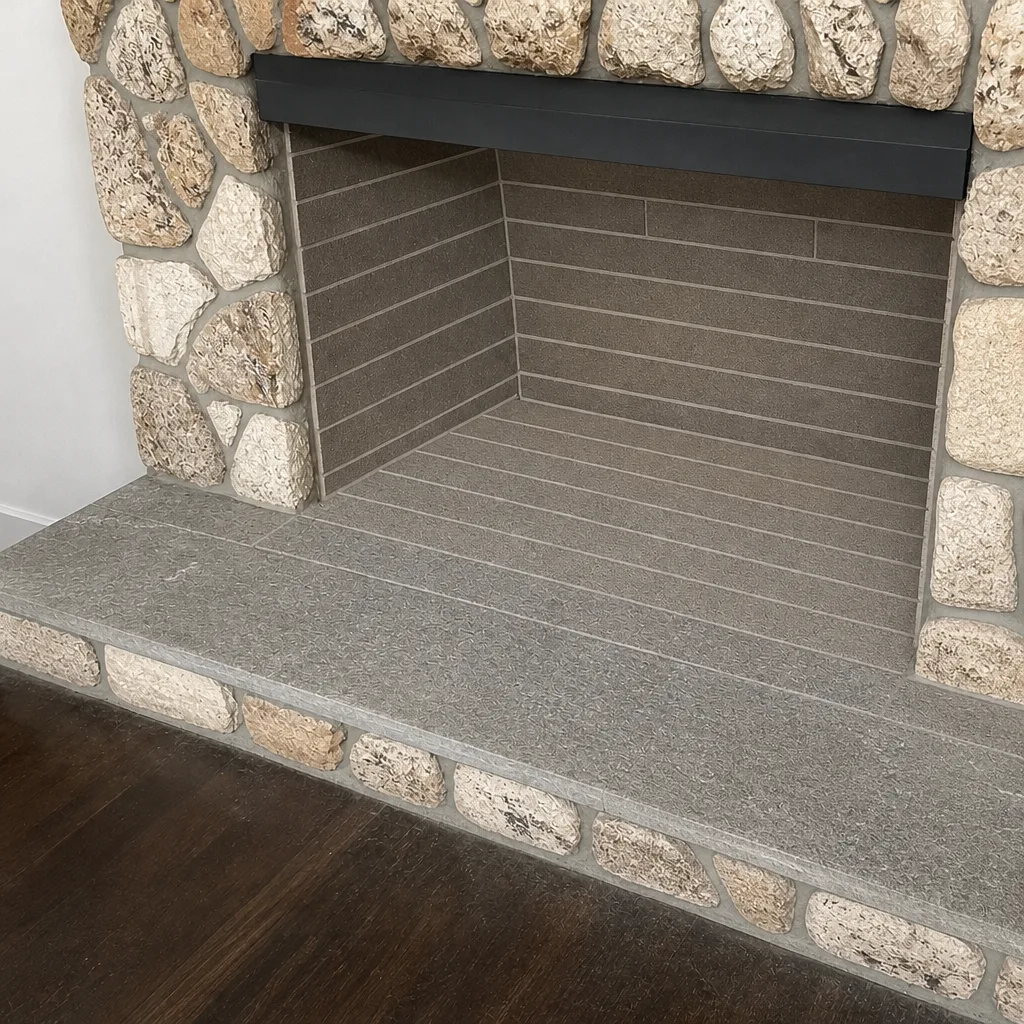
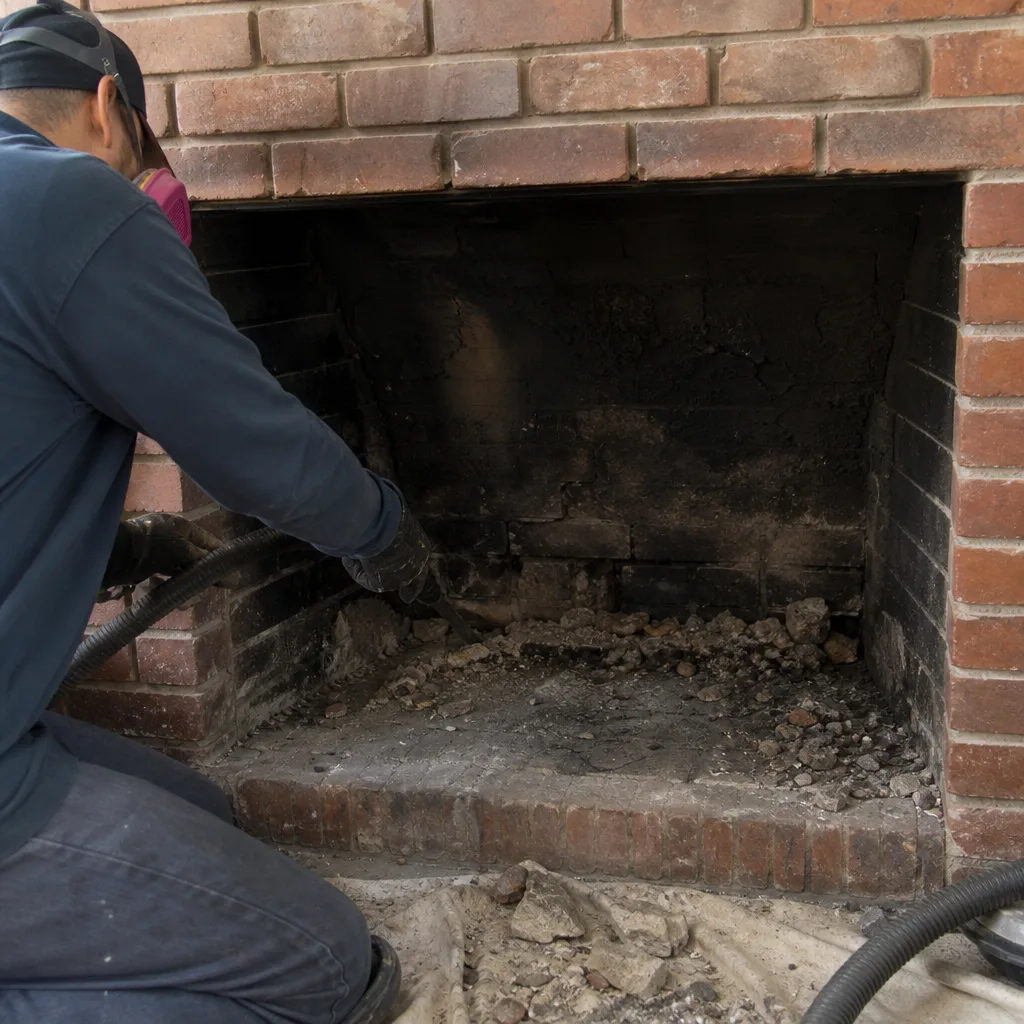 Before
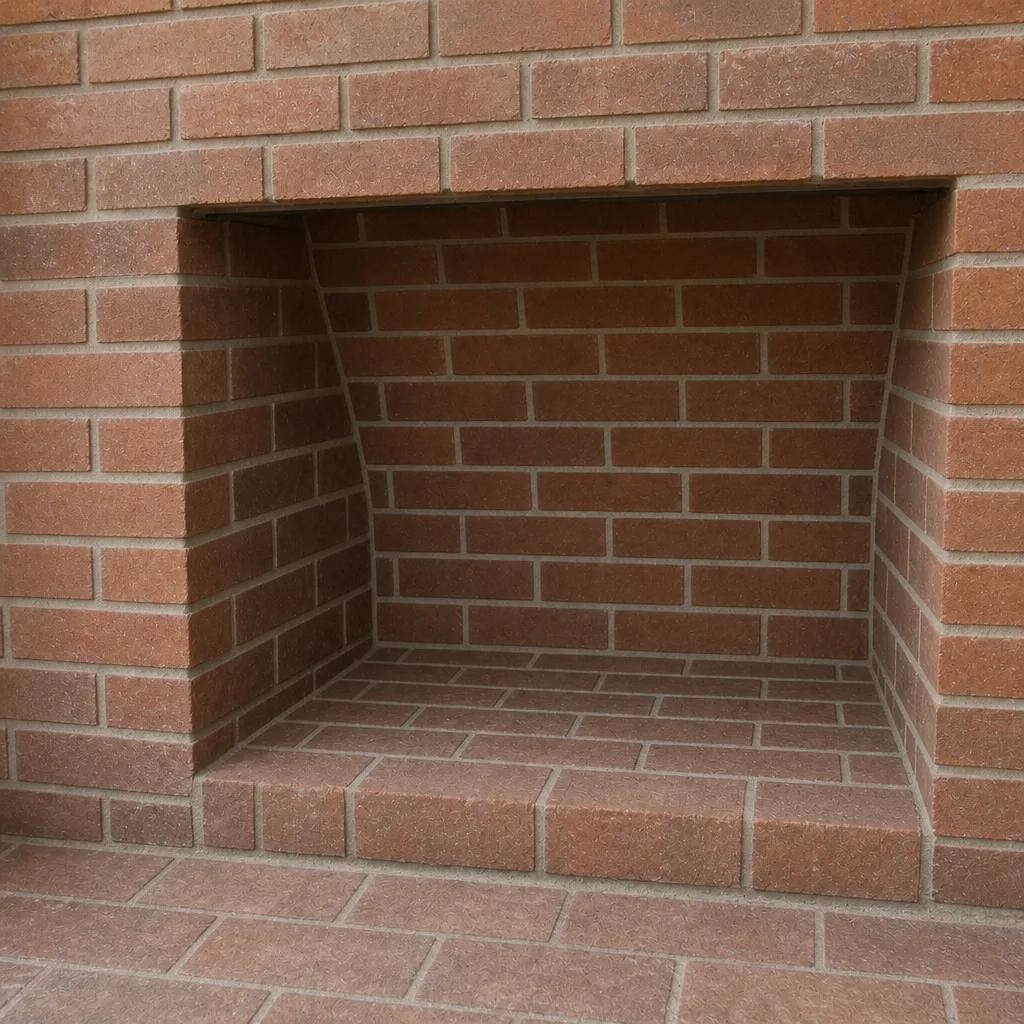 After
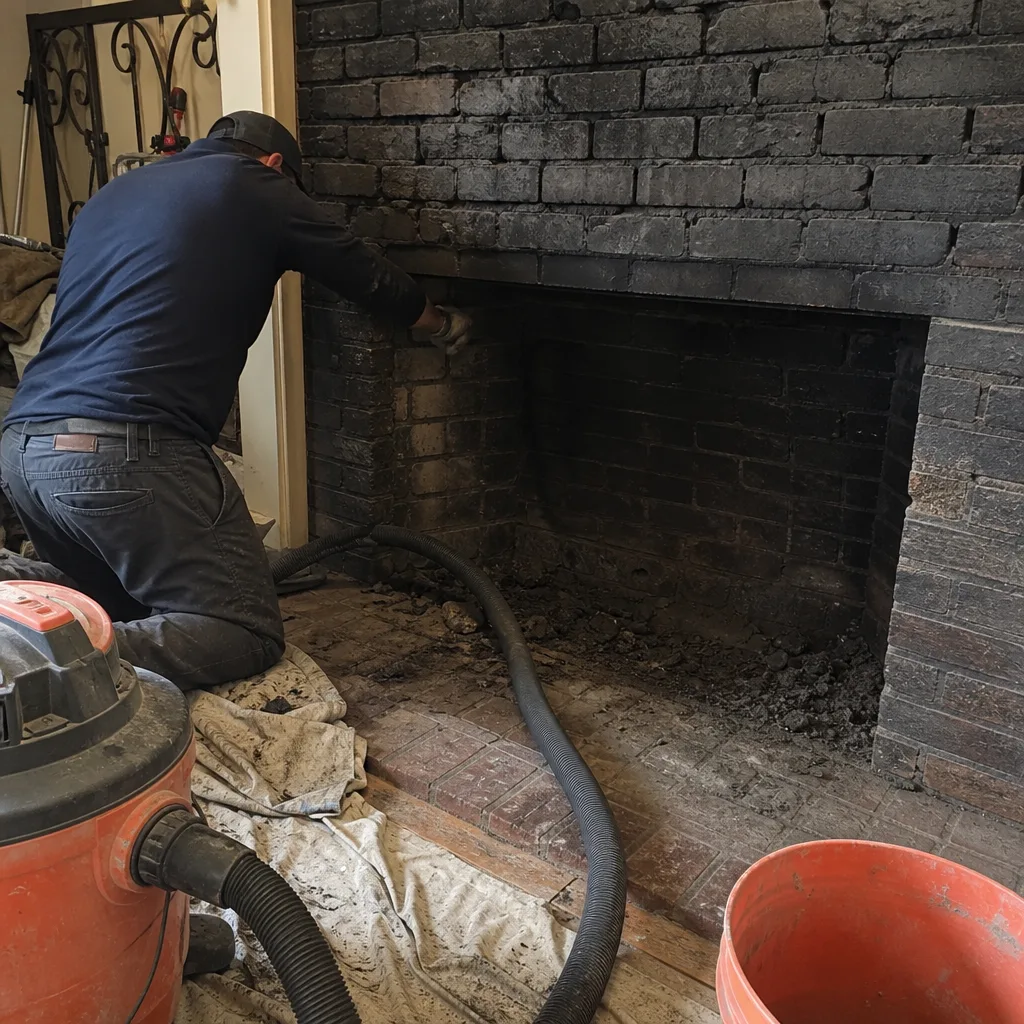
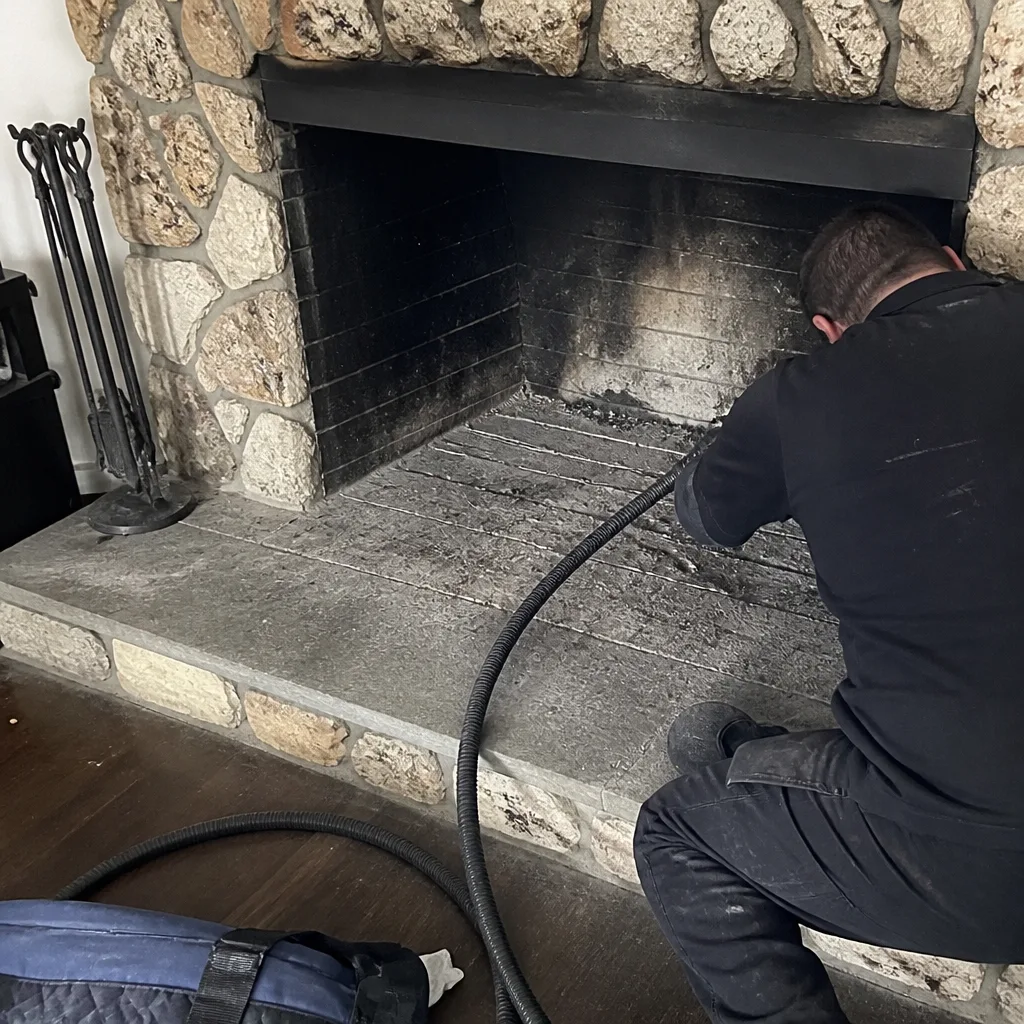 Before
 After
 Before
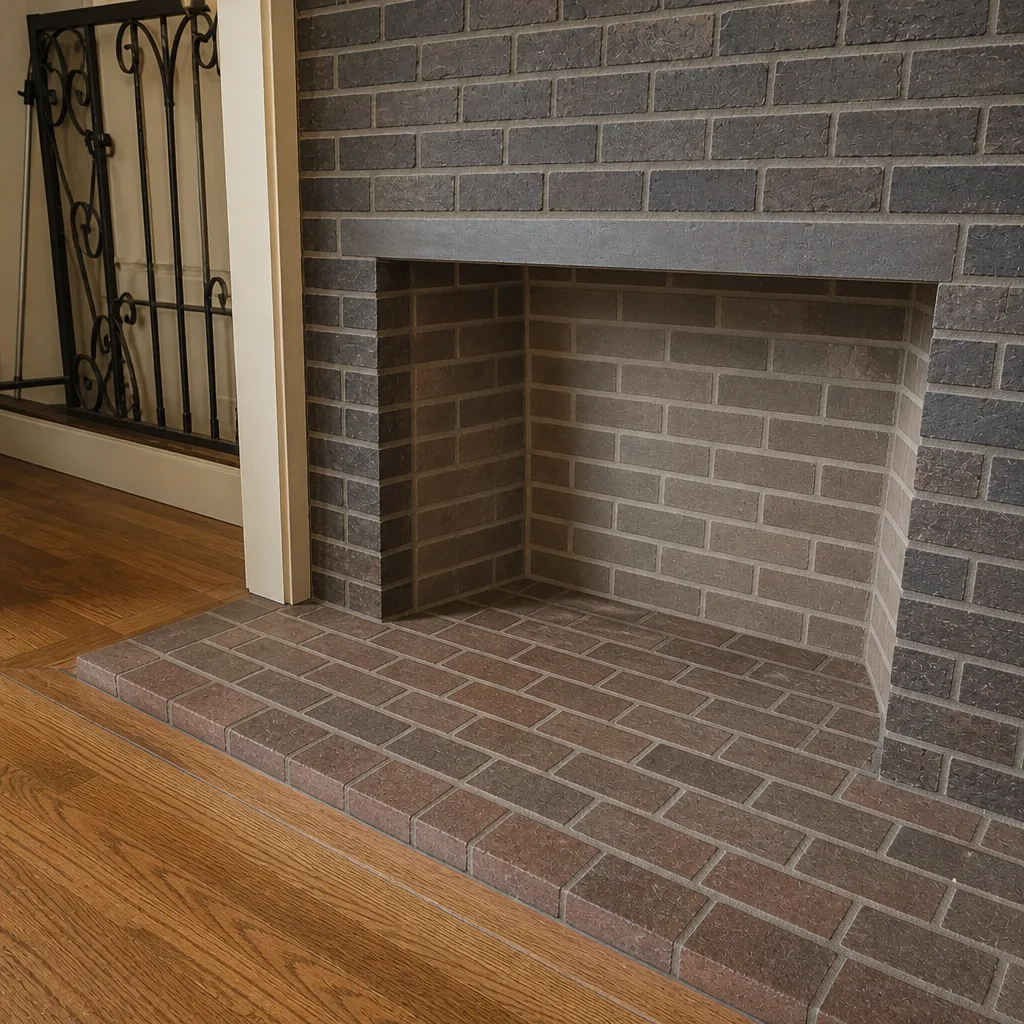 After
When to Call a Professional
Call a professional when the inspection turns up creosote thicker than a penny, when you see water staining or spalling brick, when the damper no longer seats, when the cap is missing or rusted through, when smoke backs up into the house, or when you cannot see the top of the flue yourself. Call for dryer vent cleaning if clothes are taking longer to dry or if the exterior flap is not opening while the dryer runs. None of these are situations that improve by waiting, and most of them are cheaper to address now than they will be in a year. Ashford Chimney Sweep offers free estimates in North Hollywood. Call (833) 589-9860. We answer 24/7. Fast dispatch from 7am to 7pm, Sunday through Friday.
Frequently Asked Questions
A chimney in North Hollywood should be swept every 1 to 3 years depending on use, with annual inspection regardless of sweep frequency. Occasional users who burn 1 to 5 fires per season can often go 2 to 3 years between sweeps, while moderate to heavy users should sweep every 1 to 2 years. Call (833) 589-9860 for an exact recommendation based on your fireplace and your burn pattern.
A chimney cleaning removes creosote and soot from the flue, smoke chamber, and firebox, while an inspection evaluates the condition of the cap, crown, flashing, damper, liner, and masonry. A cleaning can be skipped for a year or two on a lightly used chimney, but an inspection should be done annually because it catches slow water damage and structural problems that creosote does not cause.
Gas fireplaces do not produce creosote, so they do not need sweeping the way a wood-burning fireplace does, but they still need annual inspection of the venting, gasket, and gas connections. The risk in a gas system is carbon monoxide and vent blockage, which a sweep who only cleans for creosote will not catch. A proper chimney company will inspect the full system, not just look for soot.
A chimney sweep in North Hollywood typically costs between $180 and $350 depending on the size of the flue, the amount of creosote, and whether the chimney has been cleaned recently, and the written estimate sets the final price. Inspection is often included in the sweep, and if repair work is needed from the inspection findings, that is priced separately. Call (833) 589-9860 for a free estimate.
Yes, annual dryer vent cleaning is the schedule that matches how the system actually accumulates lint, and it is independent of fireplace use. Lint is highly combustible and builds up in the duct with every load of laundry, and a clogged vent is one of the most preventable fire sources in the home. If clothes are taking longer than 45 minutes to dry, the vent is already restricted.
A Level 2 inspection is a more thorough examination that includes camera inspection of the flue and examination of accessible attics, crawl spaces, and other nearby areas, and it is required when a property is sold, when the appliance or fuel changes, or after a chimney fire or other event. Most homeowners should have one done when they buy a home or when the liner has not been camera-inspected in more than five years.
The Bottom Line
Your chimney maintenance schedule should be built around how you actually use your fireplace, not a calendar month. Inspect annually no matter what. Sweep based on your use tier: occasional burners every 2 to 3 years, moderate burners every 1 to 2 years, heavy burners every year. Clean the dryer vent every year regardless of fireplace use. The components beyond the flue, the cap, crown, flashing, and damper, need eyes on them annually because water damage starts there and travels down. And the one thing you should never do is accept a repair recommendation without camera evidence. A repair-capable contractor will show you exactly what is wrong and fix it in the same call. Schedule the work you need, skip the work you don’t, and keep the chimney system, flue, cap, crown, liner, and venting, in a condition that drafts correctly and won’t fail.
Written by the team at Ashford Chimney Sweep, serving North Hollywood since 2012.